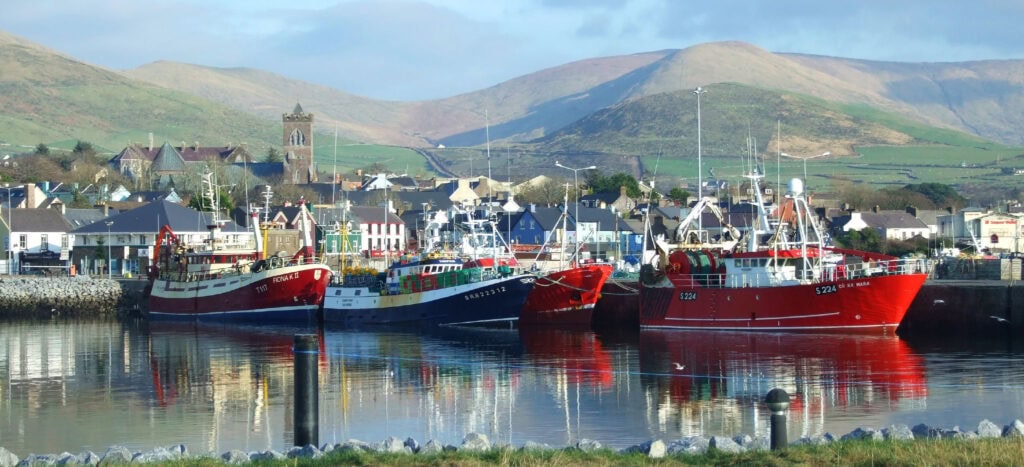
Whether you’re visiting for a few hours or staying for several days, you’ll never be short of things to do in Dingle. Set between the Atlantic coastline and rugged mountain scenery, the Dingle Peninsula combines striking landscapes with thousands of years of history, colourful villages, traditional Irish culture and some of Ireland’s finest scenic drives.
What makes the area special isn’t simply the number of attractions—it’s how close everything is. Within a short drive, you can stand inside an ancient stone fort, walk along a quiet beach, watch waves breaking against cliffs, enjoy fresh local seafood and finish the evening listening to traditional Irish music in a cosy pub.
As someone who spends much of the year guiding visitors around the peninsula, I’ve found that the best experiences often come from slowing down, taking the quieter roads and allowing time to discover the places many visitors drive straight past.
Explore Slea Head Drive
No visit to Dingle is complete without travelling Slea Head Drive, one of Ireland’s most rewarding coastal routes.
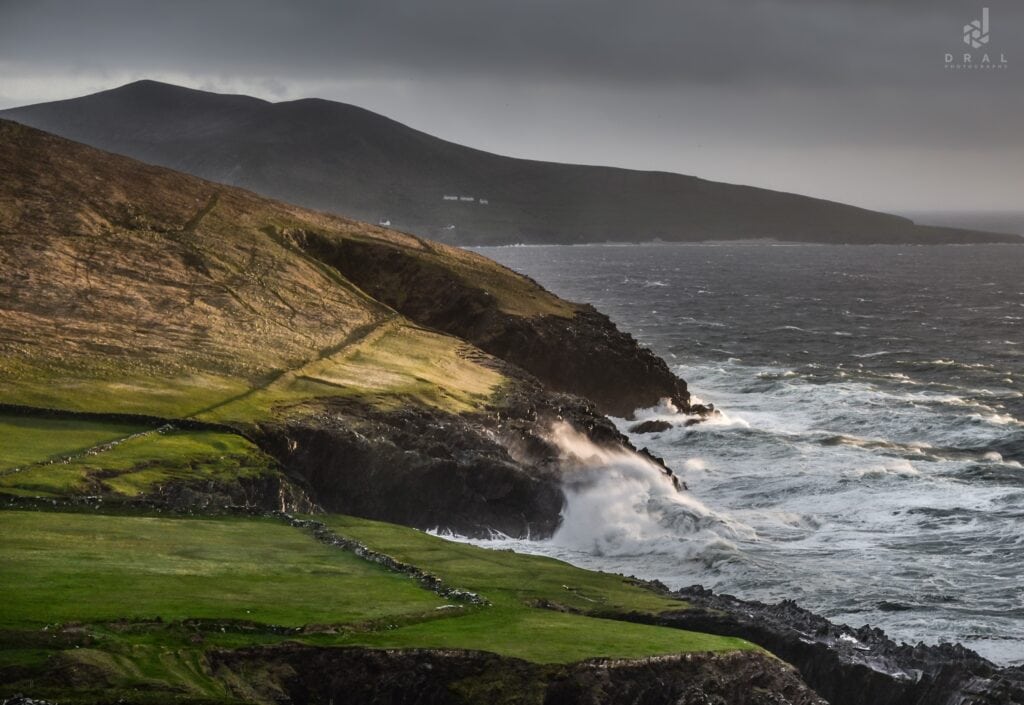
The circular drive follows the western edge of the peninsula, offering constantly changing views across the Atlantic Ocean towards the Blasket Islands. Along the route you’ll discover rugged cliffs, sandy beaches, ancient monuments and traditional farming landscapes shaped by generations of people living on this exposed coastline.
Highlights include:
- Dunquin Pier
- Coumeenoole Beach
- Clogher Strand
- The Blasket Islands viewpoint
- Dunmore Head
- Fahan Beehive Huts
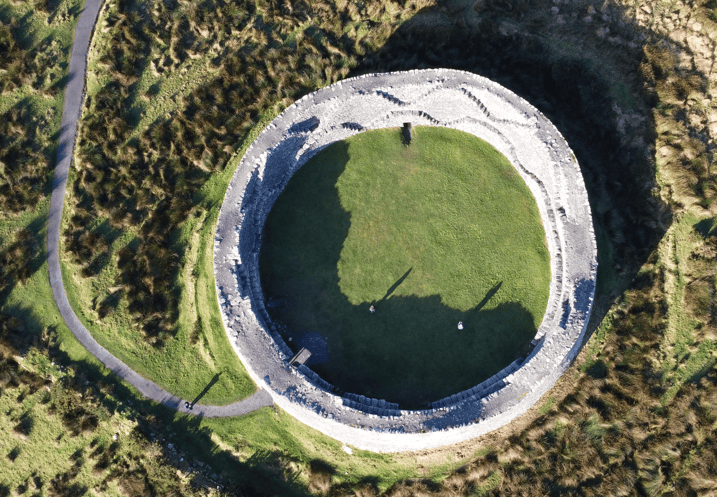
- Dún Beag Promontory Fort
- Ventry Beach
Allow at least half a day to enjoy the route properly, although a full day gives you time to stop, explore and appreciate each location. Before setting out, the detailed Slea Head Drive route guide will help you understand the order of the main stops and plan your time more realistically.
Wander Through Dingle Town
Dingle is one of Ireland’s most enjoyable coastal towns.
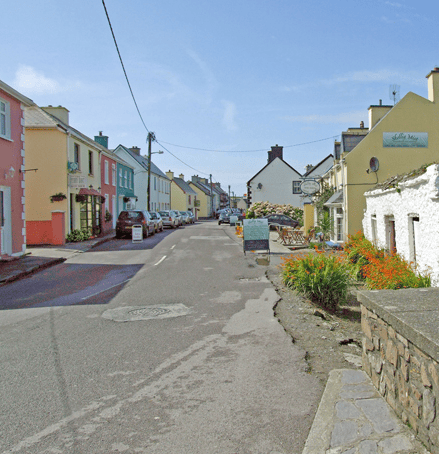
Its colourful streets are lined with independent shops, art galleries, cafés, seafood restaurants and traditional pubs where live music can often be heard throughout the year.
Take time to stroll around the harbour, browse local craft shops and simply enjoy the relaxed atmosphere that has made the town such a popular base for exploring West Kerry.
Popular highlights include:
- Dingle Marina and the waterfront
- Green Street
- Independent galleries
- Traditional Irish pubs
- Local artisan shops
- Restaurants specialising in local seafood
The town is compact enough to explore comfortably on foot. If you want to look beyond the main streets, the separate guide to exploring Dingle town introduces its harbour, local character and wider story.
Discover the Peninsula’s Ancient History
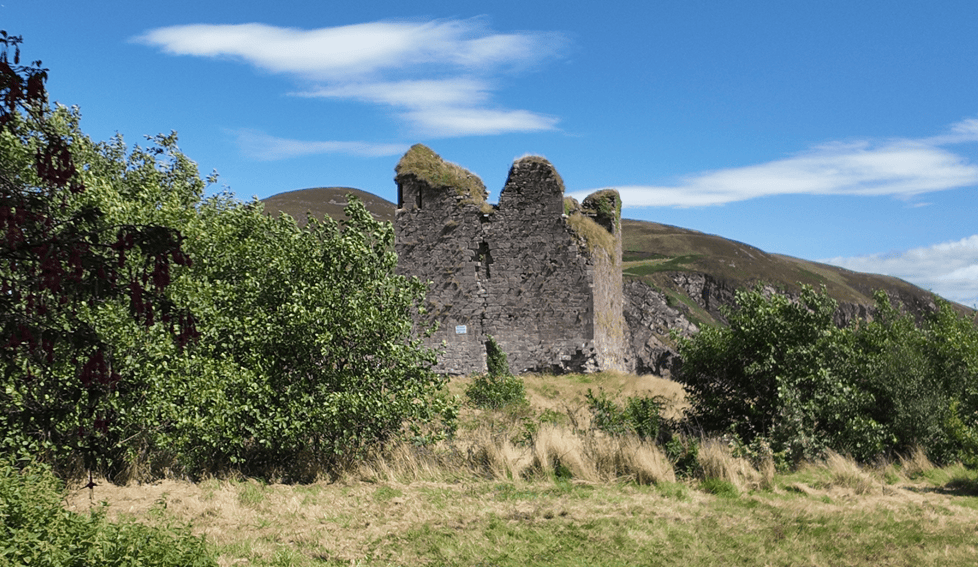
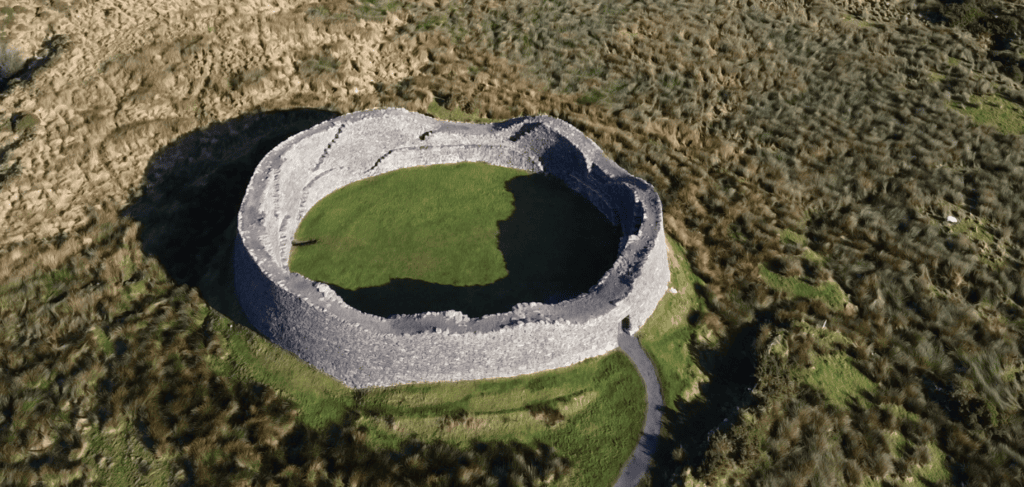
The Dingle Peninsula contains one of Ireland’s richest concentrations of archaeological and early Christian sites.
Many monuments remain within the landscapes where they were built, offering a direct connection to communities that lived, farmed and worshipped here long before modern roads existed.
Some of the most fascinating sites include:
- Gallarus Oratory
- Dún Beag Promontory Fort
- Kilmalkedar Church
- Riasc Monastic Settlement
- Ogham stones
- The Fahan Beehive Huts
Together, they help tell the story of early Christian Ireland, medieval pilgrimage, stone craftsmanship and the small communities that developed across this rugged peninsula.
History enthusiasts could easily spend an entire day exploring these sites. The wider guide to the history of the Dingle Peninsula explains how these surviving monuments fit into the area’s longer cultural story.
Visit the Peninsula’s Beaches
The Dingle Peninsula is home to some of County Kerry’s finest beaches, and each offers something slightly different.
Ventry Beach provides a long sweep of sand that is well suited to an unhurried walk. Its sheltered position inside Ventry Harbour gives it a different character from the peninsula’s more exposed Atlantic beaches.
Coumeenoole Beach lies beneath steep coastal slopes near Dunmore Head. It is best appreciated for its scenery and Atlantic setting, but powerful waves and currents mean visitors should always observe local safety signs.
Clogher Strand offers memorable views towards the headlands around Clogher and the Three Sisters. Its exposed position makes it an excellent place to watch the power of the Atlantic from a safe location.
A little further east, Inch Beach extends along a broad sand spit between Dingle Bay and the mountains. It is popular with walkers, surfers and photographers throughout the year.
Conditions can change quickly along the Atlantic coast, so always respect local warnings, tides and sea conditions.
Experience Traditional Irish Music
Music is woven into everyday life in Dingle.
Many pubs host traditional music sessions throughout the week, particularly during the main visitor season. Rather than formal stage performances, these are often informal gatherings where musicians come together to play traditional tunes in a relaxed atmosphere.
Schedules can change, so it is worth checking locally on the day rather than assuming that a session will begin at a fixed time. The guide to the best pubs in Dingle for traditional music provides a useful introduction to some of the town’s best-known venues.
For many visitors, an evening spent listening to live music becomes one of the most memorable parts of their trip.
Sample Local Food and Drink
Dingle has earned an excellent reputation for food.
Fresh Atlantic seafood appears on menus throughout the town, alongside locally produced cheeses, artisan baking and seasonal ingredients. There are options for everything from coffee and a light lunch to a longer evening meal.
Popular local favourites include:
- Fresh Dingle Bay seafood
- Murphy’s Ice Cream
- Traditional Irish breakfasts
- Artisan cafés
- Local bakeries
- Dingle Distillery
The Dingle food guide will help you identify local dishes and producers worth seeking out during your stay.
Drive the Conor Pass
Just outside Dingle lies Conor Pass, one of Ireland’s highest paved mountain passes.
The road climbs through a glacial mountain landscape before opening onto wide views across Brandon Bay and the northern side of the Dingle Peninsula. On a clear day, it is one of the finest elevated viewpoints in County Kerry.
The northern approach is narrow, with restrictions applying to certain larger vehicles. Drivers should follow the posted signs, take their time and be prepared to use passing places. Cloud can descend quickly, so the experience depends heavily on visibility.
Take a Boat Trip from Dingle Harbour
Seeing the Dingle Peninsula from the water offers a completely different perspective.
Seasonal boat trips operate from Dingle Harbour, allowing visitors to explore sections of the coastline and enjoy views of cliffs and sea caves that cannot be seen from the road. Options vary by operator and season, so it is important to check the route, duration and sailing conditions before booking.
Depending on the route, time of year and good fortune, wildlife sightings may include:
- Dolphins
- Seals
- Puffins during their seasonal presence
- Gannets
- Shearwaters and other seabirds
Wildlife sightings can never be guaranteed, and Atlantic weather naturally influences sailing schedules. The guide to sea safari experiences from Dingle offers more detail on exploring this coastline from the water.
Visit the Blasket Centre
Located near Dún Chaoin at the western end of the peninsula, the Blasket Centre tells the remarkable story of life on the Great Blasket Island.
Its exhibitions explore island life, language, literature, fishing, community and the challenges of living in an exceptionally exposed Atlantic environment. The remaining island community was evacuated in 1953.
The centre’s viewing area also provides a clear panorama towards the Great Blasket and the surrounding islands. Anyone interested in the subject can continue with the guide to the history and culture of the Blasket Islands.
Opening arrangements can be seasonal, so check current information before making a special journey.
Watch the Sunset Along the Atlantic Coast
Watching the sun set from the western edge of the Dingle Peninsula can be one of the simplest and most memorable experiences of a visit.
Some favourite locations include:
- Dunmore Head
- Clogher Strand
- Ventry Beach
- The Blasket Islands viewpoint
- Slea Head
The position of the setting sun changes throughout the year, and cloud near the horizon can alter the view within minutes. Even when the sun itself is hidden, the changing light across the islands, headlands and Atlantic can still make the journey worthwhile.
Park only in safe, designated areas and remember that visibility on narrow coastal roads fades quickly after sunset.
Suggested Dingle Itineraries
If You Have Half a Day
- Explore Dingle town.
- Drive part of Slea Head Drive.
- Visit Ventry Beach.
- Enjoy lunch overlooking the harbour.
A half day works best when you choose a small number of stops rather than trying to complete the entire peninsula. If time is limited, the private half-day Dingle tour provides a relaxed introduction shaped around your main interests.
If You Have One Full Day
- Complete Slea Head Drive.
- Visit Gallarus Oratory.
- Explore Dún Beag Promontory Fort.
- Stop at Dunquin Pier.
- Visit the Blasket Centre when it is open.
- Finish with traditional music in Dingle.
A full day gives you enough time to combine scenery with history, provided you avoid spending too long at every stop. Visitors deciding how to structure the route may find the guide answering whether Slea Head Drive is worth it with only one day in Dingle particularly useful.
If You Have Several Days
Take time to combine:
- Conor Pass
- The Mount Brandon area
- Inch Beach
- Brandon Creek
- Local walks
- Historic churches
- Boat trips
- Quieter viewpoints
- Nearby villages, including Ballyferriter and Dunquin
With three days, you can divide the peninsula into manageable areas instead of repeating the same roads. The three-day Dingle Peninsula itinerary offers a practical framework for doing this.
My Local Tip
One of the biggest mistakes visitors make is trying to see everything too quickly.
The Dingle Peninsula rewards slower travel. Allow time to stop at viewpoints that catch your eye, wander through small villages, chat with local people and explore the historic sites that make this corner of Ireland so distinctive.
Some of the most memorable moments are often the ones you never planned.
Frequently Asked Questions About Things to Do in Dingle
How many days should I spend in Dingle?
One full day allows you to experience many of the peninsula’s principal highlights. Two or three days gives you time to travel at a more relaxed pace, spend longer in Dingle town and discover places beyond the main visitor route.
What is the best time to visit Dingle?
Late spring, summer and early autumn generally provide the longest days for sightseeing, although every season has its own character. Visiting outside the busiest summer weeks often means quieter roads and a more relaxed experience. The guide to the best time of year to visit Dingle compares the seasons in greater detail.
Is Dingle suitable for families?
Yes. Beaches, gentle walks, boat trips, wildlife experiences, historic sites and the welcoming atmosphere of Dingle town provide options for different ages. Families should choose activities suited to the weather and follow local safety guidance around beaches, cliffs and exposed viewpoints.
Can I explore Dingle without a car?
You can comfortably explore Dingle town on foot, but many of the peninsula’s beaches, archaeological sites and viewpoints are spread across a wider rural area. A guided tour, bicycle, seasonal transport service or carefully planned taxi journey may be required to reach places outside the town.
How long does Slea Head Drive take?
The road can be driven in a few hours, but that leaves little time to experience the places along it. I recommend allowing at least half a day, with a full day offering a much more relaxed visit.
Continue Exploring the Dingle Peninsula
The Dingle Peninsula offers far more than can be experienced in a single visit. From ancient monasteries and coastal viewpoints to mountain passes, sandy beaches and traditional villages, every corner of the peninsula tells part of Kerry’s story.
To explore further, browse the growing Explore Kerry guides or discover more places to see throughout Kerry. If this will be your first journey to the peninsula, the dedicated first-time visitor’s guide to Dingle will help with timing, seasonal planning and practical driving advice.
If you’d prefer to experience the peninsula with a knowledgeable local guide, a private tour provides a relaxed way to uncover the stories, history and quieter places that many visitors never have the opportunity to discover.