Dingle Peninsula
Discover the Dingle Peninsula
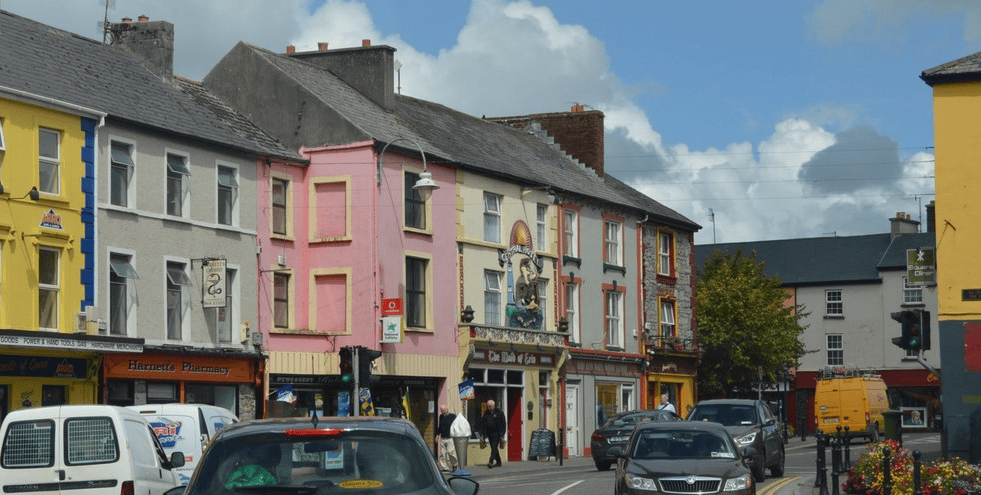
The Dingle Peninsula extends westwards from the Tralee area for almost 50 kilometres into the Atlantic Ocean. Mountains form its central spine, with Tralee Bay to the north-east, Dingle Bay to the south and the Blasket Islands lying beyond its western headlands.
This is a landscape of high passes, glacial valleys, long beaches, sea cliffs, working farmland and small coastal communities. Dingle is the principal visitor base in the west, while villages including Annascaul, Ventry, Ballyferriter, Dunquin, Cloghane, Brandon and Castlegregory reveal different sides of the peninsula.
Corca Dhuibhne is also one of Ireland’s most important cultural landscapes. Archaeological sites, early Christian remains, pilgrimage traditions and a living Irish-speaking community connect the scenery with thousands of years of human history. A full day allows visitors to explore one principal route, while two or more days provide a more meaningful introduction to its western, northern and south-eastern areas.
About the Dingle Peninsula
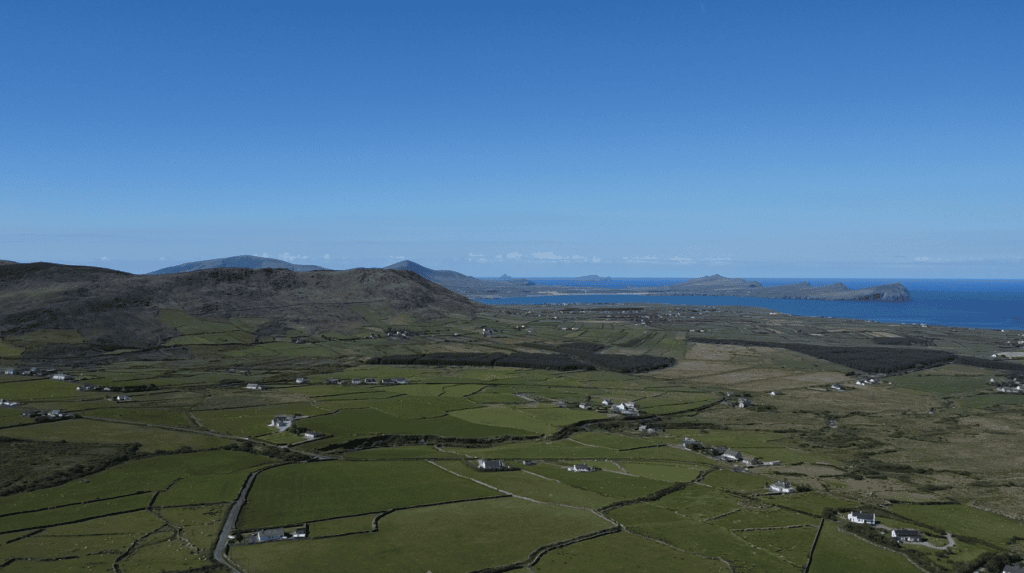
The Dingle Peninsula is the northernmost of County Kerry’s major Atlantic peninsulas. The Slieve Mish Mountains dominate its eastern approach, while Mount Brandon and its surrounding ridges rise above the north and west-central peninsula. Mount Brandon, at approximately 952 metres, is the highest point in a landscape shaped by ancient rock formations and later transformed by glacial ice, rivers, wind and the Atlantic Ocean.
Its southern coast includes Inch Strand, Dingle Harbour and Ventry Harbour. Farther west, the coastline becomes increasingly exposed, with steep headlands, coves and views across to the Blasket Islands. Brandon Bay, the Magharees and extensive strands define much of the north coast, creating a striking contrast with the mountains that rise immediately inland.
Human settlement has left an exceptionally rich record across Corca Dhuibhne. Promontory forts, ringforts, standing stones, ogham stones and early ecclesiastical sites remain within a landscape still shaped by farming, fishing and small communities. Gallarus Oratory, Kilmalkedar, Riasc and Dún Beag are among the best-known surviving sites, although each represents a different period and aspect of local history.
The western peninsula forms an important Gaeltacht where Irish remains a community language. The literature of the Blasket Islanders, the pilgrimage tradition associated with Mount Brandon and the historic relationship between the settlements and the sea give the region a cultural identity distinct from its scenic reputation. The peninsula is not simply a touring route, but a living place in which tourism exists alongside farms, fisheries, villages and Irish-speaking communities.
Top Experiences on the Dingle Peninsula
Experiences across the peninsula range from scenic coastal drives and archaeological sites to beaches, recognised walking routes and Irish-language cultural heritage. Visitors can explore Dingle and its harbour, travel through the western Gaeltacht, cross the mountain landscape of Conor Pass or discover the contrasting shores of Inch, Brandon Bay and the Magharees.
SCENIC DRIVE & CULTURAL LANDSCAPE
Slea Head Drive
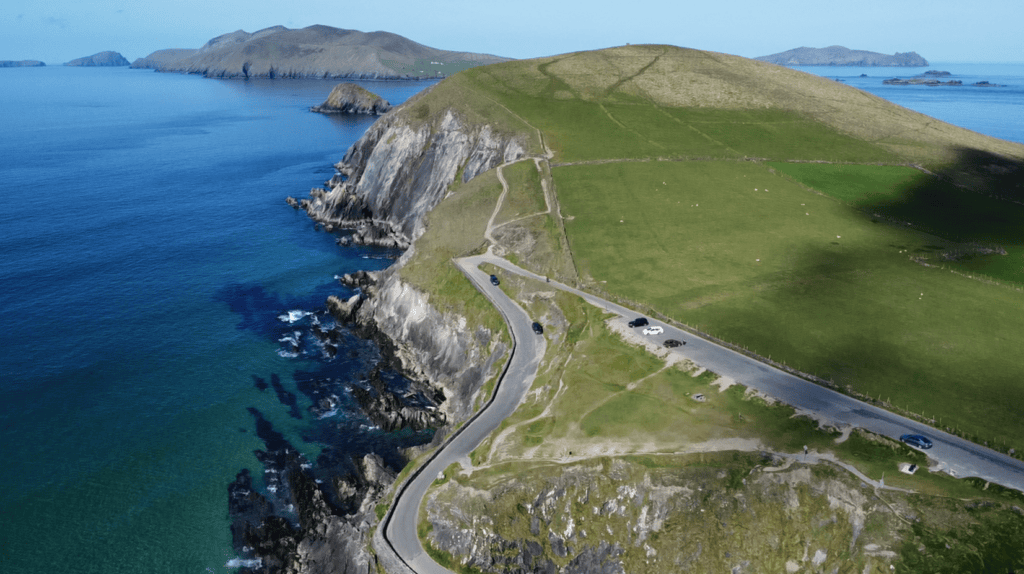
Slea Head Drive explores the western end of the Dingle Peninsula, passing through Ventry, Dunquin, Ballyferriter and the surrounding Gaeltacht. The route brings together Atlantic headlands, views towards the Blasket Islands, early Christian sites and a landscape of enclosed fields, working farms and coastal settlements.
Rather than being a single attraction, it is a journey through one of the peninsula’s most culturally and historically distinctive areas. Narrow roads and limited stopping space require patient driving, particularly during the summer. Visitors should follow current local signage and traffic-management guidance throughout the route.
A Cultural Landscape Shaped by Land and Sea
Evidence of human activity on the Dingle Peninsula extends from prehistory into the modern period. Standing stones, ringforts, promontory forts and ogham stones reveal successive communities organising farmland, marking territory and maintaining connections across the Atlantic world. These monuments survive as parts of a wider inhabited landscape rather than as traces of one single civilisation.
Christian settlement introduced another important layer. Ecclesiastical sites developed across the peninsula, while pilgrimage traditions became associated with Mount Brandon and routes such as Cosán na Naomh. Places including Gallarus, Kilmalkedar and Riasc preserve elements of this religious heritage, although the surviving structures and stones belong to different periods and should not be treated as one uniform story.
During the medieval and later periods, farming, fishing, maritime trade and seasonal movement continued to shape the region. Dingle developed as its principal port and market centre, while smaller settlements maintained close relationships with the coast. Emigration and population decline later affected many communities, most notably the Great Blasket, which was evacuated in 1953.
The Irish-language autobiographies and literature produced by Blasket Islanders became an internationally significant record of island life. Today, that literary inheritance forms part of a wider living culture in Corca Dhuibhne, where Irish remains a community language and historic field patterns, routeways, harbours and villages continue to shape the peninsula experienced by visitors.

PREHISTORIC LANDSCAPE
Standing stones, ringforts, promontory forts and other archaeological remains reflect long-established farming communities, territorial organisation and connections with the surrounding Atlantic world. These sites form part of a broad cultural landscape rather than a single concentrated settlement.
CHRISTIAN SETTLEMENT
Ecclesiastical communities and places of worship developed across the peninsula. Gallarus, Kilmalkedar and Riasc preserve important elements of this heritage, while cross-inscribed and ogham stones provide further evidence of changing religious and cultural traditions.

PILGRIMAGE & MEDIEVAL LIFE
Mount Brandon became associated with Saint Brendan and an enduring tradition of pilgrimage. Routes such as Cosán na Naomh connected religious sites across the peninsula, while farming communities, coastal settlements and local centres continued to develop.

PORTS, FARMING & EMIGRATION
Fishing, small-scale agriculture, maritime trade and seasonal movement shaped everyday life. Dingle grew as a port and market centre, while economic hardship and emigration increasingly affected rural, coastal and island communities throughout the peninsula.

LITERATURE & A LIVING GAELTACHT
The Great Blasket was evacuated in 1953 following population decline and growing isolation. Literature written by former islanders brought international attention to their community, while the western peninsula remains a living Gaeltacht shaped by Irish language, farming, fishing and modern tourism.
Things to Do
From breathtaking coastal walks and boat trips to historic landmarks and family attractions, discover some of the best experiences and activities waiting to be explored.

Hold a Baby Lamb
The Blasket Centre – Ionad an Bhlascaoid
Kingdom Falconry
Dingle Sheepdogs
Blasket Island Ferries
History & Heritage
Explore the rich history through ancient monuments, medieval ruins, historic buildings and places that tell the story of generations who shaped this remarkable corner of County Kerry.

An Díseart & Harry Clarke Windows
St James’ Church & Graveyard
The Holy Stone
St Mary’s Church Dingle
Shopping
Browse independent shops, local craft stores, galleries and speciality retailers offering everything from handmade gifts and artisan food to everyday essentials and unique souvenirs.

Where to Eat & Drink
Enjoy the flavours of Kerry with traditional pubs, cosy cafés, award-winning restaurants, artisan bakeries and local producers. Whether you’re looking for a quick coffee or an unforgettable meal, there’s something for every taste.

Out of the Blue
505
Solas Tapas & Wine
The Fish Box
Land to Sea
Doyle’s Seafood Restaurant
John Benny’s Pub
The Half Door Restaurant
Bean in Dingle
The Boatyard Restaurant
Fenton’s of Dingle
Where to Stay
Discover carefully selected hotels, guesthouses, B&Bs, self-catering cottages and unique places to stay. Whether you’re planning a short break or a longer holiday, you’ll find accommodation to suit every style and budget.

Pax Guest House
Greenmount House
Castlewood House
Heaton’s Dingle
Dingle Skellig Hotel
Dingle Benners Hotel
Emlagh House
Milltown House
Dingle Bay Hotel
Dingle Garden Townhouse
Dingle Harbour Lodge
Quayside B&B
Duinin House B&B
Base Dingle
Discover More Towns & Villages
Explore more of County Kerry’s towns and villages, from colourful coastal communities and historic market towns to welcoming bases for discovering the county’s landscapes, culture and heritage.
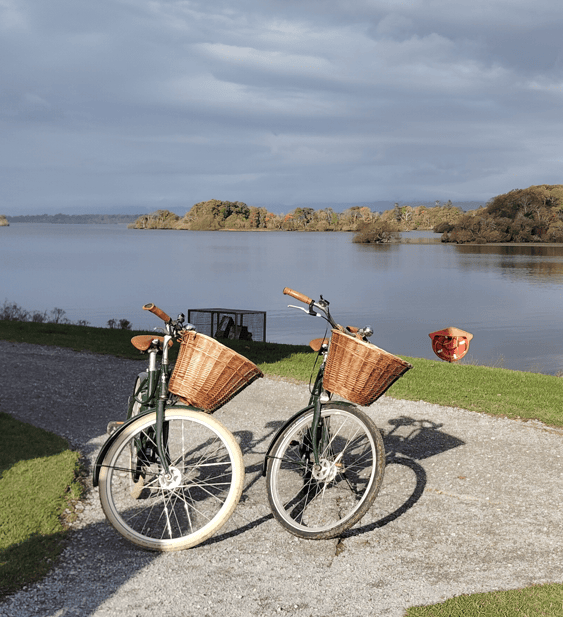
HERITAGE TOWN & NATIONAL PARK
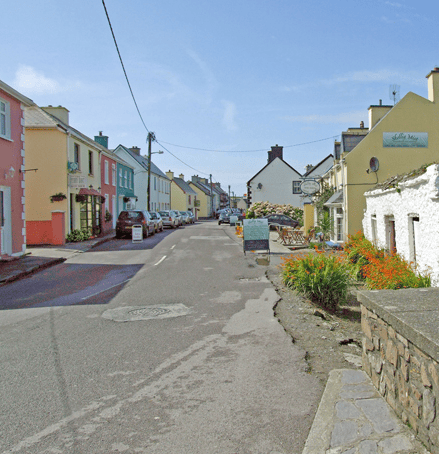
Harbour Village & Skellig Gateway