
DINGLE PENINSULA · COUNTY KERRY
Clogher Strand is a small, exposed Atlantic beach on the western Dingle Peninsula, close to Ballyferriter. Framed by rugged headlands and open ocean, it is known for its powerful coastal setting, dramatic surf and fascinating geology.
Atlantic Beach
Western Dingle Peninsula
Sandy Strand & Rocky Atlantic Coast
Road Access & Free Parking
Clogher Strand lies on the exposed western edge of the Dingle Peninsula, a short distance from Ballyferriter, where the Atlantic meets a rugged coastline of cliffs, rocky headlands and a compact sandy beach. Unlike the broader strands at Ventry or Inch, Clogher feels enclosed by the surrounding coastal landscape, with the open ocean immediately dominating the view.
The beach is particularly impressive when Atlantic swells roll towards the shore, but there is more here than coastal scenery. The rocks around Clogher preserve evidence of an ancient marine environment, including trace fossils formed by organisms burrowing through sediments on the sea floor hundreds of millions of years ago. Together, the geology, exposed coastline and changing Atlantic conditions make Clogher Strand an interesting place to experience the wilder character of the western peninsula.
Clogher Strand changes character with the tide, weather and Atlantic swell. The compact beach, rocky coastline and exposed ocean setting combine to give Clogher a distinctly wilder character than the larger sandy beaches elsewhere on the Dingle Peninsula.
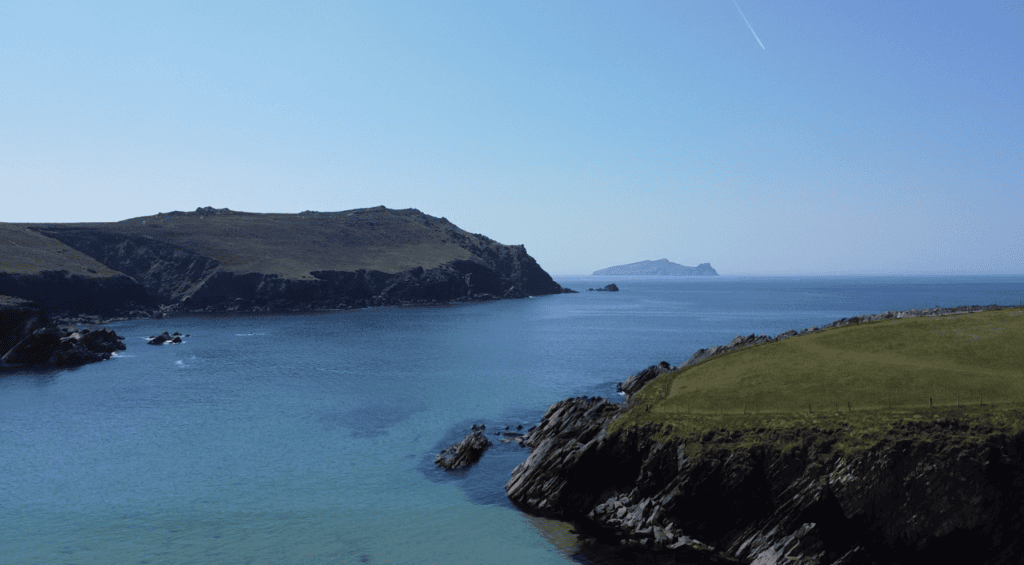
Clogher faces directly into the Atlantic, and ocean swell can create powerful surf along this exposed stretch of coastline.
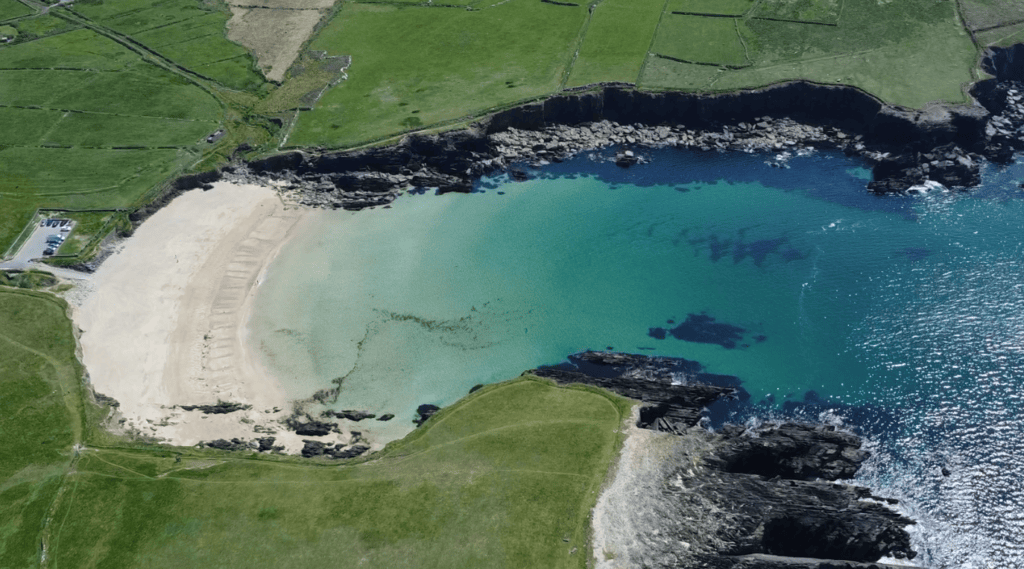
The rocks around Clogher preserve evidence of an ancient marine environment, including trace fossils created by organisms moving through sea-floor sediment hundreds of millions of years ago.
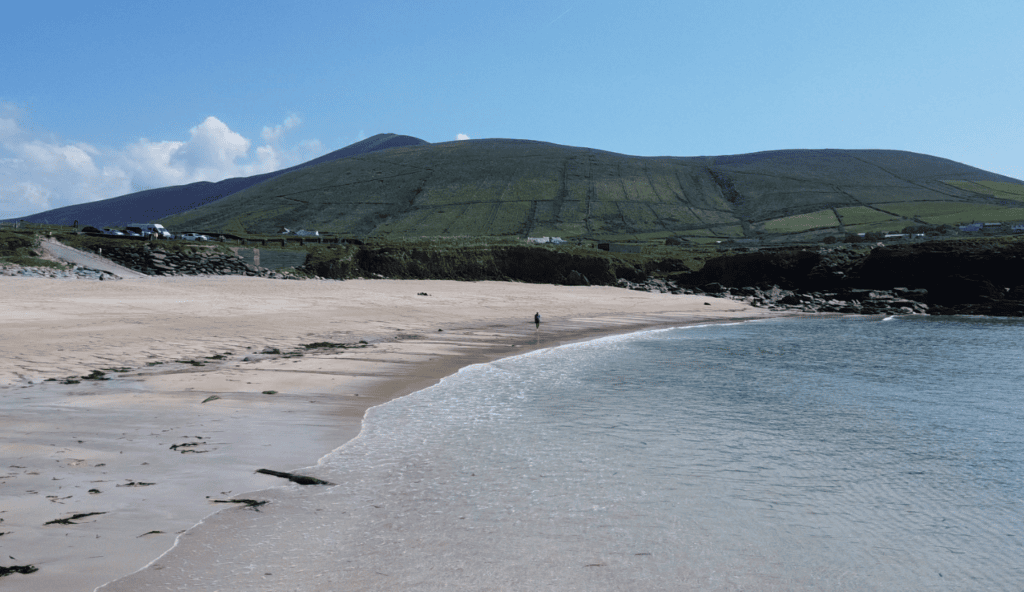
The compact sweep of Clogher Strand sits between rugged headlands on the exposed western coast of the Dingle Peninsula.
Clogher Strand is a small, exposed Atlantic beach near Ballyferriter on the western Dingle Peninsula. It is best approached as a scenic coastal stop rather than a swimming beach, particularly when Atlantic swell and rough conditions are present.
PLACE TYPE
Beach
BEACH TYPE
Sandy Strand & Rocky Shore
Irish name
Trá an Chlochair
PARKING
Free Parking Available
AREA
Clogher, Dingle Peninsula
PUBLIC ACCESS
Open year-round
FACILITIES
No major facilities at the beach
LIFEGUARD
No lifeguard service
SWIMMING
Not recommended due to strong Atlantic conditions
LANDSCAPE
Exposed Atlantic Coast
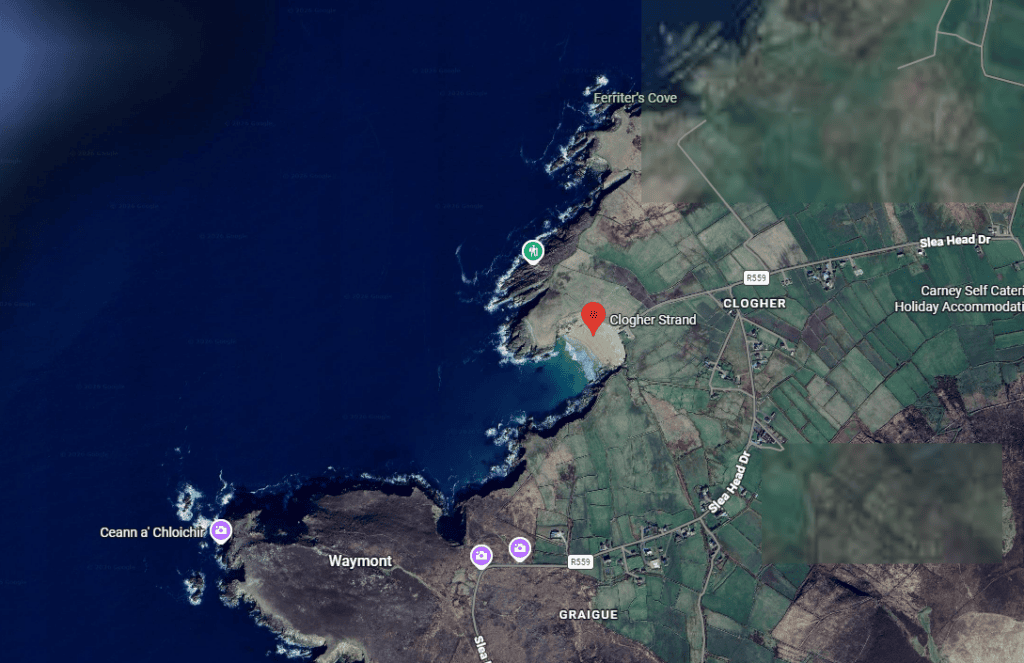
Latitude
52.157276
Longitude
-10.458392
Address
Clogher, Ballyferriter, Dingle Peninsula, County Kerry
NEAREST TOWN OR VILLAGE
Ballyferriter
Road access
Accessed by local roads through Clogher on the western Dingle Peninsula. The final approach is along narrow rural roads, so drive carefully and allow room for approaching vehicles.
Clogher Strand is a place to experience the Atlantic at close quarters. Its relatively small scale, rocky surroundings and exposed position give the beach a very different character from the long, open strands elsewhere on the Dingle Peninsula.
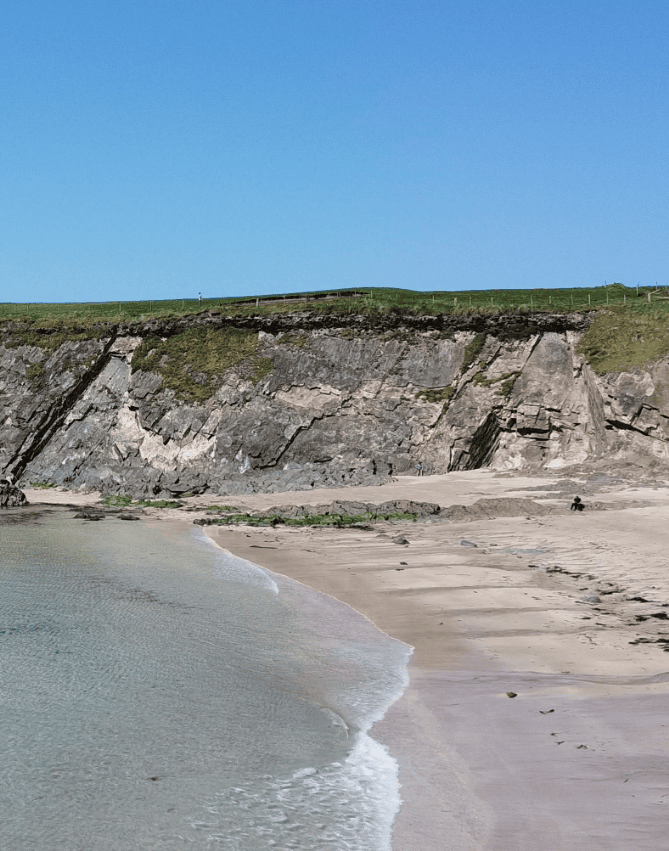
Clogher Strand Rocky Cliffs
The appeal of Clogher Strand lies as much in its surroundings as in the beach itself. This is an exposed piece of coastline where waves, rock and weather continually shape the visitor experience.
From the strand, the Atlantic occupies much of the view, while rocky headlands frame the beach on either side. Conditions can change considerably depending on the weather, tide and offshore swell. On calmer days the setting allows visitors to appreciate the shape and geology of the coastline; during rougher weather, the power of the ocean becomes the defining feature.
The rocks around Clogher also reveal a much older story. University College Cork’s Fossil Heritage project identifies Silurian rocks here containing Chondrites trace fossils. These are not fossilised animals themselves, but preserved traces of burrowing activity within sediment on an ancient sea floor. They provide evidence of an environment that existed hundreds of millions of years before the modern Dingle Peninsula landscape developed.
The fossil-bearing rocks are associated with the shoreline and their visibility and accessibility can depend on the tide. They should be observed without damaging or removing material, and visitors should remain conscious of incoming water and changing sea conditions when exploring close to the shore.
Clogher Strand faces an energetic stretch of the Atlantic and should not be judged by how calm the water appears from the car park or roadside. Strong swell and changing conditions can occur here. Enjoy the strand primarily as a coastal and geological stop, keep a safe distance from breaking waves in rough weather, and be particularly cautious around shoreline rocks as the tide rises.
Clogher Strand is an easy scenic stop while exploring the western Dingle Peninsula, but its exposed Atlantic setting deserves respect. Allow time to enjoy the coastline rather than treating it purely as a beach stop, and always take account of the weather, tide and sea conditions.
Clogher Strand is reached by local roads west of Ballyferriter. Roads become narrow in places, so drive slowly and be prepared to give way to approaching traffic.
Parking close to the strand is limited. Park considerately, avoid blocking entrances or narrow sections of road, and leave sufficient space for other vehicles to pass.
Allow around 20–40 minutes for a scenic stop and short walk. Visitors interested in the coastal geology or photography may want to spend longer when conditions are suitable.
Daylight hours with good visibility provide the best opportunity to appreciate the surrounding coastline. Conditions can be particularly dramatic when Atlantic swell is running, but remain well back from breaking waves during rough weather.
There are no major visitor facilities at the strand, so plan food, toilets and other services around Ballyferriter or elsewhere on your route.
Clogher is an exposed Atlantic beach and should not be treated as a routine swimming location. Waves, swell and water conditions can be powerful, while access to shoreline rocks also changes with the tide. Keep children closely supervised and maintain a safe distance from the water during rough conditions.
Clogher Strand rewards a closer look. Beyond the immediate Atlantic scenery, the shape of the bay, surrounding rock and ancient geological features reveal why this small beach is one of the more distinctive coastal stops on the western Dingle Peninsula.
Clogher’s exposed position allows Atlantic swell to enter the bay with considerable force. Watching waves build offshore and break across the strand is one of the defining experiences here, particularly when viewed from a safe position above or well back from the water.
The rocks at Clogher contain Chondrites trace fossils dating from the Silurian period. Rather than remains of the organisms themselves, these branching patterns record burrowing activity within sediment on an ancient sea floor, preserving evidence of marine life from hundreds of millions of years ago.
Rocky ground encloses the strand and gives Clogher its compact character. These headlands also provide a striking contrast between the exposed bedrock, sandy beach and constantly moving Atlantic.
Clogher can look remarkably different according to the tide, weather and direction of the light. Calm conditions reveal more detail along the shore, while Atlantic weather transforms the bay into a powerful demonstration of the forces continually acting on Kerry’s western coastline.
The landscape at Clogher Strand tells a story extending far beyond the modern beach. Exposed rocks around the shoreline preserve evidence of an ancient marine environment, while today’s Atlantic continues to shape how the coast looks and how visitors can safely explore it.
Clogher Strand is recognised as an important fossil locality within University College Cork’s Fossil Heritage project. The rocks exposed here include siltstones dating from the Silurian Period, more than 400 million years ago, when sediments accumulated in a very different marine environment.
Among the features recorded at Clogher are Chondrites trace fossils. Unlike a fossil shell or bone, a trace fossil preserves evidence of an organism’s activity. In this case, branching structures within the rock represent burrow systems created by organisms moving through sediment on the ancient sea floor.
These geological features add another dimension to a visit to Clogher. What initially appears to be simply a rugged Atlantic shoreline contains evidence of environments that existed hundreds of millions of years before today’s mountains, beaches and coastal scenery took their present form.
Visitors interested in examining the rocks should also remember that this remains an active Atlantic shoreline. Some geological exposures are affected by the tide, while wet rocks, breaking waves and rapidly changing conditions can make shoreline exploration hazardous.
The rocks at Clogher include material formed during the Silurian Period, roughly 444–419 million years ago, providing a window into an exceptionally ancient chapter of the peninsula’s geological history.
Branching Chondrites structures preserved within the rock are trace fossils — evidence of burrowing activity by ancient organisms rather than fossilised remains of the organisms themselves.
Some shoreline geology is easier to observe when the tide permits safe access. Never allow interest in the rocks to distract from the incoming tide, breaking waves or changing Atlantic conditions, and leave geological material where you find it.
Continue exploring Kerry’s landscapes, coast, mountains and remarkable places, with more locations worth discovering across the county.
Clogher Strand forms part of the remarkable Atlantic landscape of the western Dingle Peninsula. Exploring this coastline with a local guide adds context to what you are seeing — from the geography and geology of the peninsula to the communities, archaeology and stories connected with the landscape.
Our Private Full Day Dingle Peninsula Tour allows more time to explore beyond the principal Slea Head viewpoints, making it the most natural tour connection for places such as Clogher and the surrounding Ballyferriter area.
If you would rather leave the driving behind, I offer private tours across the Dingle Peninsula and County Kerry. Each experience is designed for small private groups, with a relaxed pace, local knowledge and the flexibility to spend more time at the places that interest you most.
A relaxed three-hour private tour around Slea Head and the spectacular western coastline of the Dingle Peninsula.
Explore Slea Head, ancient heritage sites, coastal viewpoints and the landscapes of West Kerry on a private half-day experience.
Discover more of the Dingle Peninsula with a full day to explore its scenery, history, villages and lesser-known places.
Journey around the Iveragh Peninsula, combining the Ring of Kerry with the dramatic landscapes and Atlantic coastline of the Skellig Ring.
Explore Killarney National Park, its lakes, mountain viewpoints, waterfalls and some of the most beautiful landscapes in County Kerry.
Travel north from Kerry for a private day tour through the Burren to the spectacular Cliffs of Moher on Ireland’s Atlantic coast.
Create a private Kerry itinerary around the places, landscapes and experiences that matter most to you.
Loading availability…