
If you’re planning your first visit to the Dingle Peninsula, you’re about to discover one of Ireland’s most rewarding places to explore. Stretching into the Atlantic Ocean along the western edge of County Kerry, the peninsula combines dramatic coastal scenery, ancient history, colourful towns and a living Irish culture that has remained remarkably strong.
For many visitors, the Dingle Peninsula becomes the highlight of their time in Ireland.
As a local guide, I’ve spent years helping visitors discover not only the famous landmarks but also the quieter places that often become the most memorable part of their trip. This guide brings together the practical advice, local knowledge and planning tips I regularly share with guests to help you make the most of your first visit.
Whether you’re coming for a day or staying for several nights, this guide will help you decide what to see, how long to stay and how to experience the peninsula at a more relaxed pace.
Why Visit the Dingle Peninsula?
The Dingle Peninsula is often described as Ireland in miniature.
Within a relatively small area you’ll find towering Atlantic cliffs, sandy beaches, mountain passes, archaeological sites, colourful fishing villages and some of the country’s finest coastal scenery.
Unlike many destinations, the peninsula isn’t defined by a single attraction. Instead, it’s the journey itself that makes it special. One moment you’re driving beside rugged cliffs overlooking the Atlantic; twenty minutes later you’re standing inside a church that has survived for centuries before finishing the evening listening to traditional Irish music in a local pub.
The landscape also makes more sense when you understand the history of the Dingle Peninsula. Early Christian settlements, ancient stone structures, farming traditions, maritime life and the Irish language have all shaped what visitors experience here today.
It’s this variety that makes the Dingle Peninsula so rewarding, particularly for first-time visitors.
How Many Days Should You Spend?
One of the most common questions visitors ask is how much time they should allow.
One Day
With one full day, you can comfortably explore the highlights of Slea Head Drive, visit Dingle town and enjoy several of the peninsula’s best-known viewpoints.
It’s enough to experience the peninsula, although you’ll almost certainly leave wanting to return. If you have only one day, it helps to decide in advance whether your priority is scenery, history, photography or a mixture of all three.
Two Days
Two days gives you time to slow down.
You can combine Slea Head Drive with Conor Pass, spend longer exploring Dingle town, visit several historic sites and enjoy local restaurants without feeling rushed.
For many visitors, this is the ideal balance.
Three Days or More
Three or more days allows you to experience the peninsula properly.
You’ll have time to discover quieter beaches, enjoy coastal walks, visit museums, explore nearby villages and simply spend time appreciating the landscape rather than constantly moving on to the next stop. My three-day Dingle Peninsula itinerary provides a useful starting point for arranging each day without repeatedly covering the same roads.
When Is the Best Time to Visit?
Every season offers a different experience, and the right choice depends on whether you value longer daylight, quieter roads, walking conditions or the widest choice of attractions and activities.
Spring
Longer days, fresh green landscapes and fewer visitors make spring an excellent time to explore. Weather remains changeable, but there can be wonderful clarity after a passing Atlantic shower.
Summer
The longest days and generally mild conditions attract the largest number of visitors. Accommodation, restaurants and tours should be booked well in advance, particularly during July and August.
Autumn
Many locals consider September one of the finest months to visit. The crowds begin to ease while the changing light creates excellent conditions for photography.
Winter
Although some attractions operate reduced opening hours, winter offers a quieter and more atmospheric side of the peninsula. Stormy Atlantic seas, cosy pubs and peaceful roads create an entirely different experience.
Whatever time of year you visit, always bring waterproof clothing and several light layers. Weather conditions can change quickly, particularly around Conor Pass and the exposed Atlantic coast. The detailed guide to the best time to visit Dingle explains the practical advantages and trade-offs of each season.
Getting to the Dingle Peninsula
The peninsula is reached by road, with journey times depending on traffic, weather and the number of stops made along the way.
- Kerry Airport – approximately one hour
- Shannon Airport – approximately two and a half hours
- Cork Airport – approximately two and a half to three hours
- Dublin Airport – approximately four and a half to five hours
Hiring a car offers the greatest flexibility, although many visitors prefer a private transfer to Dingle or a private guided tour, allowing them to relax and enjoy the scenery without worrying about unfamiliar roads.
Driving Tips for First-Time Visitors
Driving in Kerry is very different from driving on major roads elsewhere.
Many of the most scenic routes are narrow country roads where sheep, cyclists and farm vehicles all share the same space. Some sections of the peninsula also have stone walls, blind bends and limited room for two vehicles to pass.
If you’re driving here for the first time:
- Take your time.
- Drive on the left.
- Use passing places courteously.
- Expect changing weather and visibility.
- Allow extra room for cyclists and walkers.
- Avoid rushing between attractions.
- Stop only in designated or clearly safe parking areas.
Driving slowly isn’t just safer—it also allows you to appreciate the landscape far more fully. If you plan to follow the coastal loop yourself, the guide to driving Slea Head clockwise explains the most practical direction and why it generally works best.
Places You Shouldn’t Miss
Every visitor will have different interests, but these are among the peninsula’s most rewarding places to experience.
Slea Head Drive
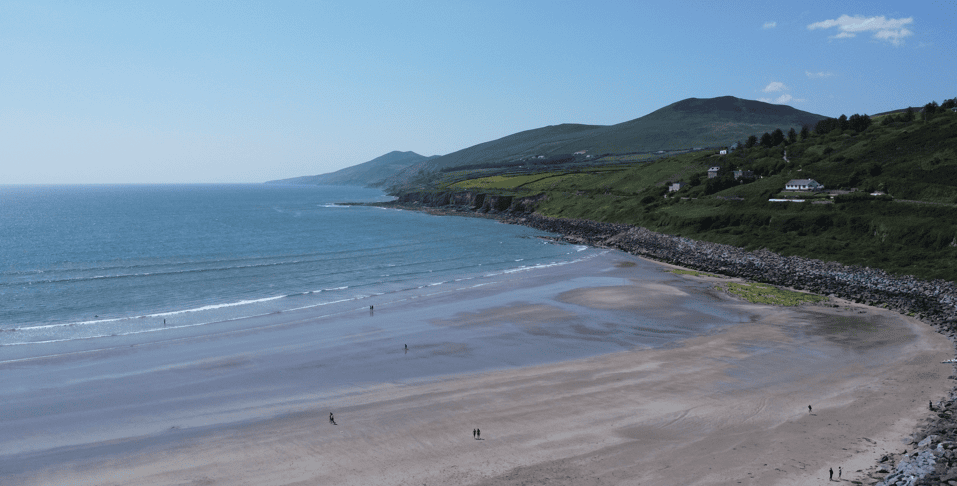
Slea Head Drive is one of Ireland’s finest scenic routes, combining Atlantic views with beaches, historic sites, traditional villages and close connections to the Blasket Islands.
The route deserves more than a quick circuit. Stops such as Ventry Beach, Coumeenoole Beach and Dunquin Pier each reveal a different part of the peninsula’s coastal character. The complete Slea Head Drive route guide will help you understand the order of the main stops before setting out.
Conor Pass
Conor Pass is one of Ireland’s highest paved mountain passes and offers wide views across the mountains, glacial landscape and coastline of the peninsula when conditions are clear.
The road is narrow on its northern side and is subject to vehicle restrictions, so drivers should pay close attention to signs. Visibility can change quickly, and there is little value in attempting the route simply to say you have driven it when the pass is covered by cloud.
Gallarus Oratory
Gallarus Oratory is one of the peninsula’s most recognisable early medieval buildings and an essential stop for anyone interested in Irish history, architecture or early Christianity.
Its carefully fitted stone construction is impressive in its own right, but the building becomes more meaningful when understood as part of the wider ecclesiastical landscape of West Kerry.
Dún Beag Promontory Fort
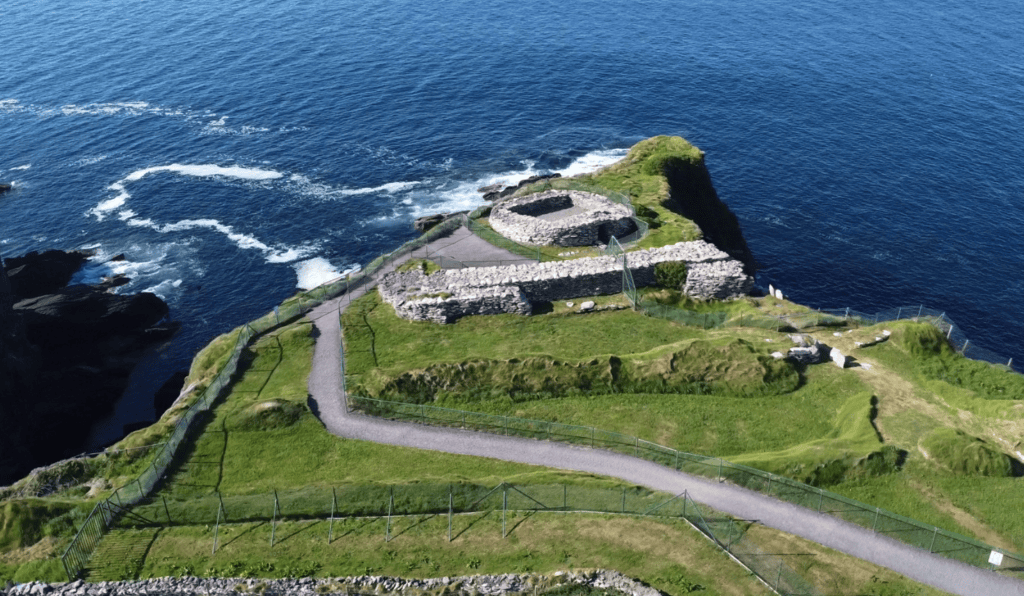
Dún Beag Promontory Fort occupies a dramatic position above the Atlantic. The surviving defences and cliff-edge setting demonstrate how the landscape itself formed part of the site.
Access conditions can be affected by weather and coastal erosion, so visitors should observe local signs and remain within the permitted areas.
The Fahan Beehive Huts
The Fahan Beehive Huts introduce visitors to the peninsula’s tradition of dry-stone construction. Their rounded forms are among the most distinctive structures along Slea Head, but they should be understood within a much larger archaeological landscape of old field systems, enclosures and settlement remains.
Kilmalkedar Church
Kilmalkedar Church is one of the peninsula’s most rewarding historical sites. The church, sundial, cross, alphabet stone and surrounding remains show that this was not simply an isolated religious building but an important centre within the local community.
Dingle Town
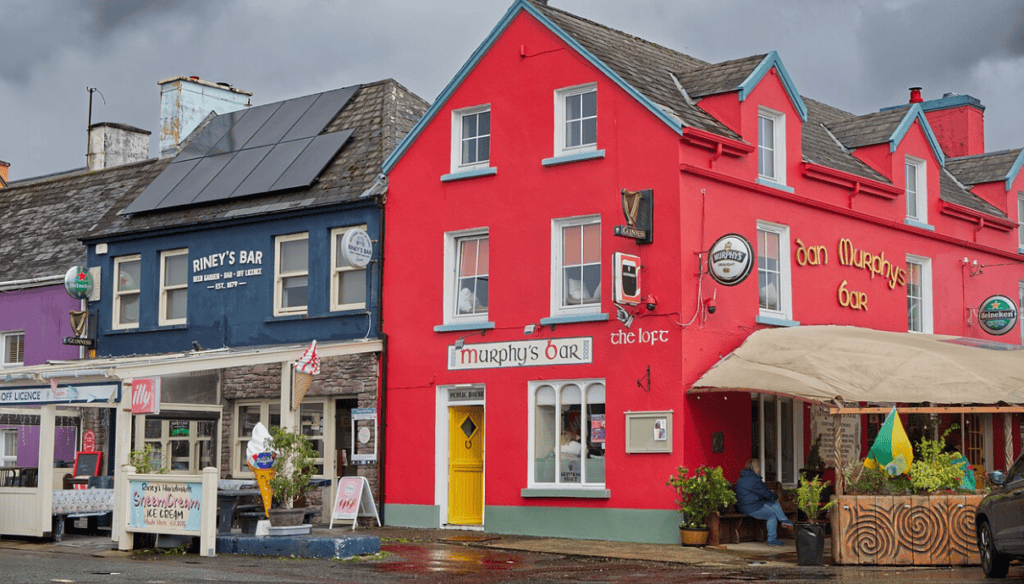
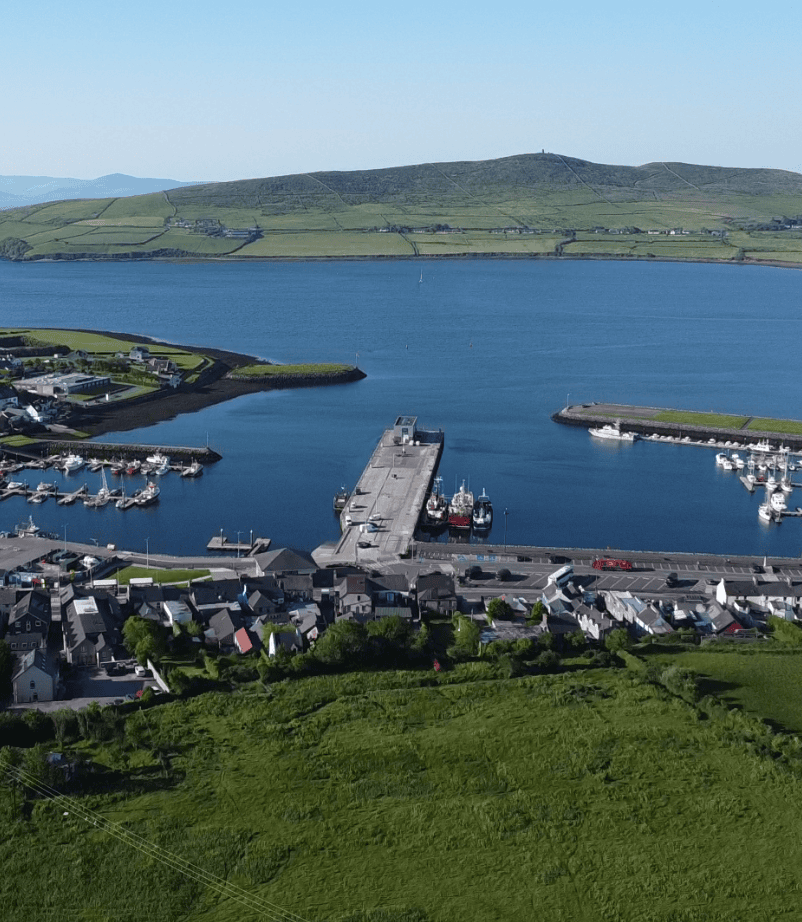
Dingle town combines a working harbour, colourful streets, excellent restaurants, independent shops, local craft producers and traditional music. It makes a natural base for exploring the wider peninsula and is also worth allowing time to experience in its own right.
If your schedule allows, spend at least a few hours walking rather than simply driving through. The guide to things to do in Dingle will help you plan activities around the town, harbour and surrounding area.
Food and Traditional Music
The Dingle Peninsula has developed one of Ireland’s strongest food cultures.
Fresh Atlantic seafood, artisan producers, locally roasted coffee and excellent restaurants are found throughout the peninsula. Dingle also has a strong community of independent food businesses, with menus often reflecting the seafood, meat and produce available locally.
The Dingle food guide offers a useful introduction to the dishes and local produce worth seeking out during your stay.
In the evening, many visitors enjoy traditional Irish music sessions in Dingle’s pubs. Performances and starting times can vary from night to night, but live music remains an important part of local life and offers a wonderful way to end the day. The guide to the best Dingle pubs for traditional music will help you understand where sessions are commonly found.
Local Tips That Make a Difference
After years of guiding visitors around Kerry, a few pieces of advice consistently make holidays more enjoyable.
- Start early if you’re driving Slea Head Drive during summer.
- Don’t try to see everything in one day.
- Allow time simply to stop and enjoy the views.
- Check opening arrangements directly when visiting seasonal attractions.
- Keep your camera ready—the weather changes constantly, creating completely different landscapes throughout the day.
- Speak to local people. Some of the best recommendations are never found in guidebooks.
Most importantly, don’t measure your day by the number of places you visited. The memories people treasure most usually come from slowing down long enough to appreciate where they are.
Common Mistakes First-Time Visitors Make
Many visitors unknowingly rush their experience.
Some of the most common mistakes include:
- Trying to drive the entire peninsula too quickly.
- Spending all their time in Dingle town.
- Skipping historic sites such as Gallarus Oratory and Kilmalkedar.
- Attempting Conor Pass in poor visibility.
- Parking in gateways or unsuitable roadside locations.
- Not allowing enough time for unplanned stops.
Another common mistake is assuming that Slea Head Drive can be appreciated simply by following the road without understanding what lies along it. Places such as Riasc Monastic Settlement reveal a much older side of the peninsula that can easily be missed when the day is focused entirely on viewpoints.
Leaving room for spontaneity often creates the best memories.
Is a Guided Tour Worth It?
If you’re visiting the Dingle Peninsula for the first time, a local guide can add a completely different dimension to the experience.
Rather than simply stopping at viewpoints, you’ll understand why places matter, hear the stories behind the landscape and discover locations that many visitors drive straight past.
Whether your interests lie in history, photography, archaeology or simply enjoying the scenery at a relaxed pace, a private guided tour allows the day to be tailored around what interests you most.
If you prefer to drive independently, the Slea Head GPS Audio Tour provides location-triggered stories and guidance as you travel around the route in your own vehicle.
Continue Exploring the Dingle Peninsula
Planning your first visit is only the beginning.
Once you’ve explored the main route, you’ll discover there’s always another beach, another historic site, another scenic drive or another village waiting to be explored. The Explore Kerry collection brings these places together, while the wider guide to places to see in Kerry can help you extend your journey beyond the peninsula.
If you are deciding how Dingle should fit into a longer Irish itinerary, the comparison of the Ring of Kerry and the Dingle Peninsula explains the differences between the two routes. Visitors planning a broader holiday can also use the seven-day Kerry itinerary to connect Dingle with Killarney and the Ring of Kerry without making every day feel rushed.
If you’d rather discover the peninsula alongside a local guide, I’d be delighted to welcome you on a private tour and share the places that have inspired me throughout my life in Kerry.