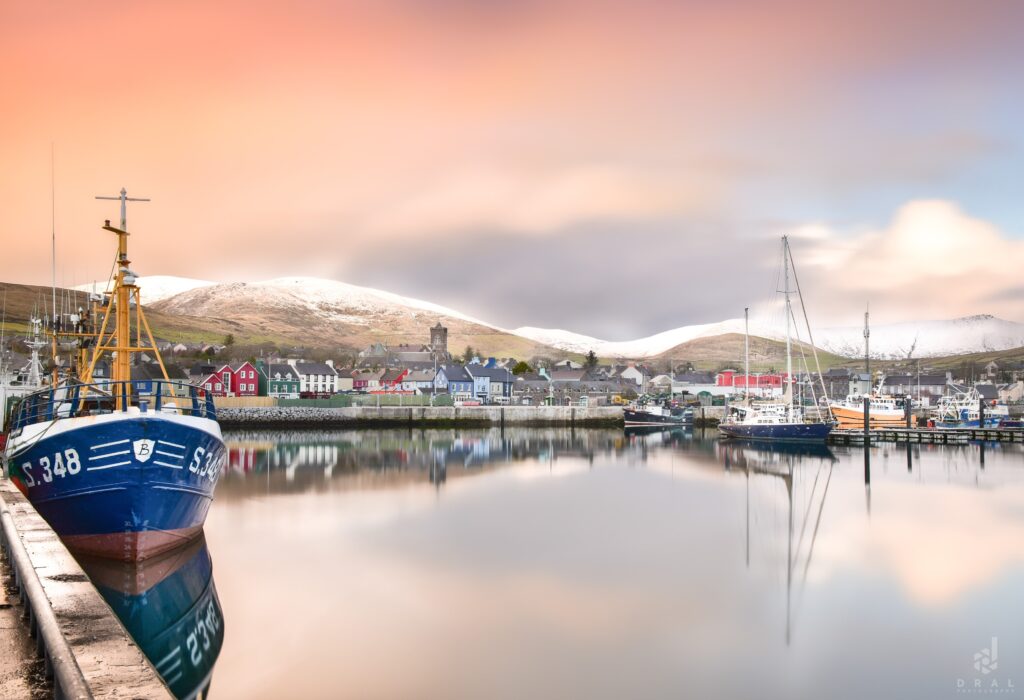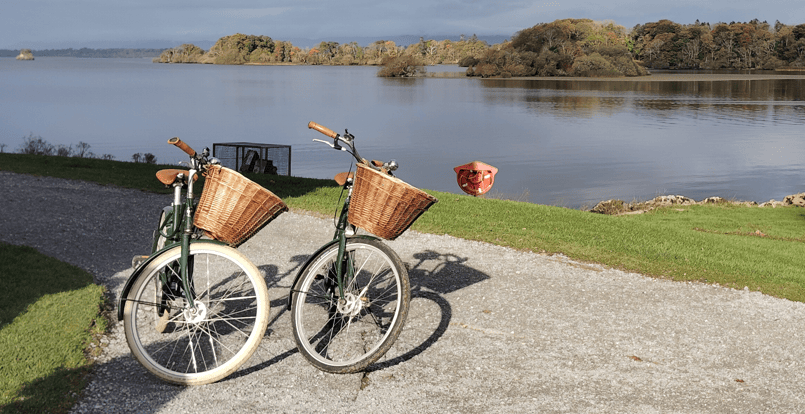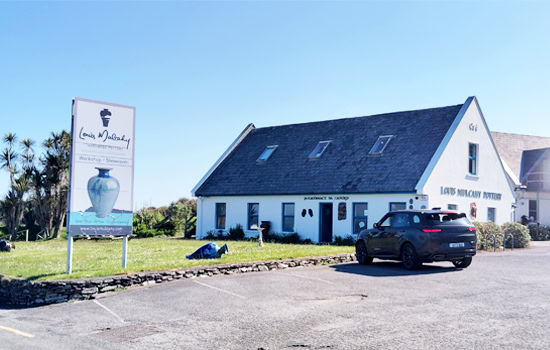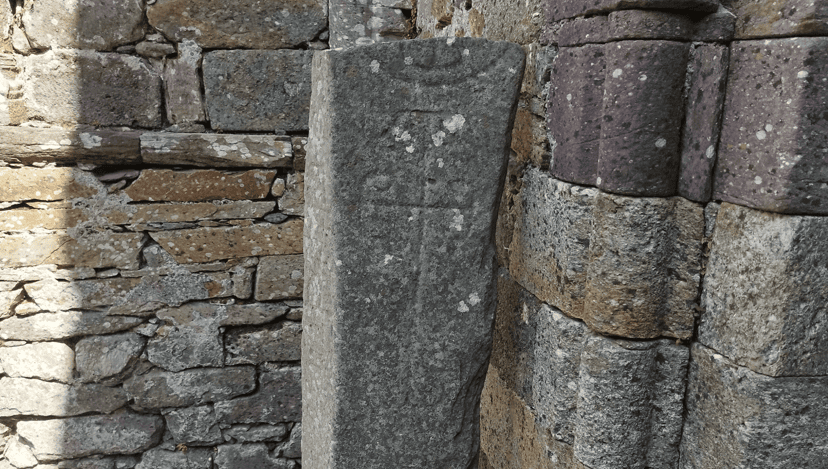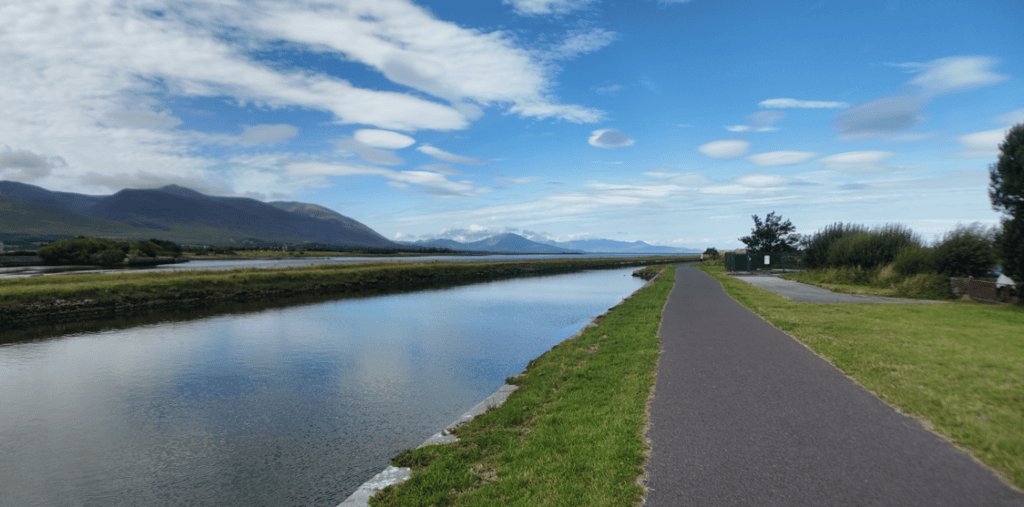
Kenmare is one of County Kerry’s most attractive heritage towns, positioned at the head of Kenmare Bay where the landscapes of the Iveragh and Beara Peninsulas meet. Its location makes the town particularly useful for visitors exploring the wider County Kerry landscape, because Killarney National Park, the Ring of Kerry, South Kerry and the Beara Peninsula can all be reached naturally from here.
What to See and Do in Kenmare and South Kerry
What I like about Kenmare is that the town does not depend on one major attraction. You can explore its colourful streets, visit prehistoric remains, walk beside Kenmare Bay, browse independent shops, enjoy good food and then use the town as a base for some of the strongest scenery in south-west Ireland.
Kenmare also has a noticeably different atmosphere from Killarney. Killarney is larger and closely connected with its national park, while Kenmare feels smaller and more intimate. The streets are easy to explore on foot, and the relationship between the town, bay and surrounding mountains is always close.
If you are travelling around the Ring of Kerry, I would not treat Kenmare simply as somewhere to pass through. Even a couple of hours gives you time to walk around the town properly, while an overnight stay opens the possibility of exploring much more of South Kerry and the Beara side of the bay.
Where Is Kenmare?
Kenmare sits in the south of County Kerry at the head of Kenmare Bay, between the Iveragh Peninsula to the north and the Beara Peninsula to the south.
That position is one of the town’s greatest strengths. The Ring of Kerry passes through Kenmare, while the N71 connects the town with Killarney through the mountain landscape of Moll’s Gap and Killarney National Park.
To the west, the Ring of Kerry continues towards Sneem, Derrynane, Waterville and eventually the Skellig Coast around Portmagee. To the south, roads continue onto the Beara Peninsula and into County Cork.
This means Kenmare works particularly well if you want a base that connects several major touring regions without having to return to the same road every day.
The Story of Kenmare
People were living and gathering in this landscape long before the modern town existed. The prehistoric stone circle close to the town centre is the clearest surviving reminder of that much earlier occupation.
The modern town itself was deliberately developed during the later seventeenth century and is associated with Sir William Petty. Its planned street layout still gives central Kenmare a recognisable structure, with broad streets meeting around the town centre.
Over the following centuries Kenmare developed as a market town serving the surrounding rural district and linking the Iveragh and Beara Peninsulas.
Like communities across Kerry, the town was affected profoundly by the Great Famine and the social changes of the nineteenth century. Another important chapter followed with the arrival of the Poor Clare Sisters and the development of the Kenmare Lace tradition, which became closely associated with the town’s craft history.
Kenmare Stone Circle
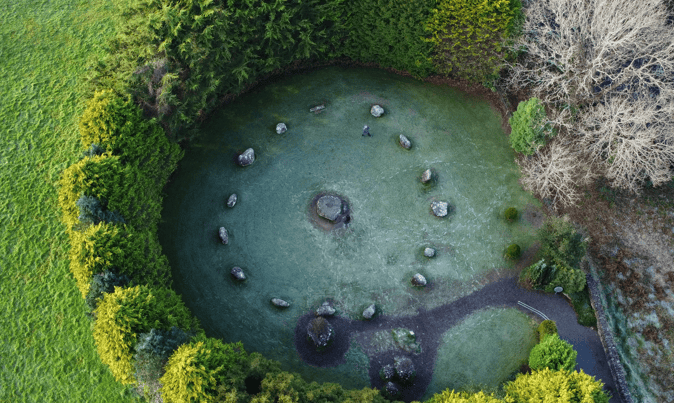
The Kenmare Stone Circle is one of the most important historical places within easy walking distance of the town centre.
The monument consists of fifteen standing stones arranged in an oval, with a boulder burial positioned towards the centre. It belongs to the prehistoric landscape of South Kerry and provides an immediate reminder that the history of this area extends back thousands of years before Kenmare became a planned town.
I particularly like the contrast here. You can leave the shops and cafés of modern Kenmare and, within a relatively short walk, find yourself standing inside a prehistoric monument.
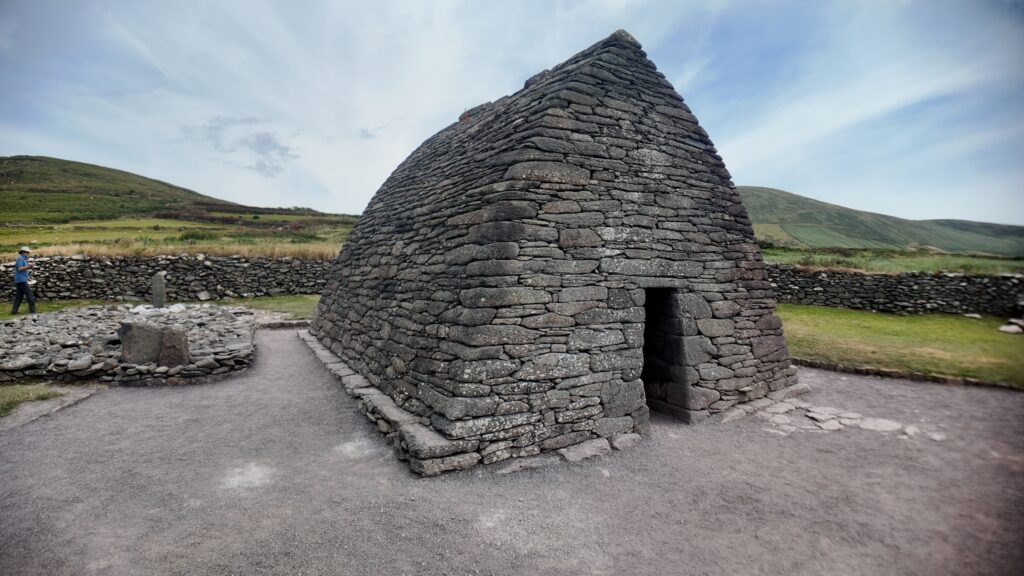
Visitors interested in this deeper historical layer should also consider some of the other historical sites around Kerry, where stone forts, castles, churches and early Christian remains reveal how long people have been shaping the county’s landscape.
The Streets of Kenmare
Kenmare is a town I would explore on foot rather than from the car.
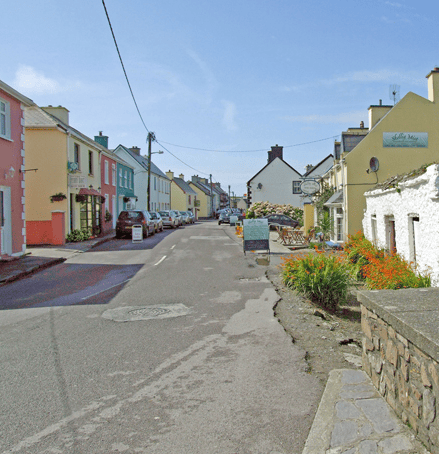
The centre is compact enough that you can walk between shops, cafés, restaurants, galleries and historic features without worrying about transport. The colourful shopfronts contribute to the character of the town, but what matters more is the concentration of independent businesses and the fact that Kenmare remains a functioning local community rather than a purpose-built visitor centre.
Take time to wander rather than following the shortest route between two attractions.
You will get far more from Kenmare by allowing an hour or two for the streets themselves than by arriving, taking one photograph and immediately continuing around the Ring of Kerry.
Kenmare Lace
Kenmare Lace became an important part of the town’s nineteenth-century history.
The craft developed through the work of the Poor Clare Sisters, who established lace-making as a skilled activity that could provide valuable employment and income within the local community.
Over time, Kenmare Lace developed an international reputation and became one of the most distinctive craft traditions associated with the town.
The story is worth remembering because it connects Kenmare’s attractive modern appearance with a much more serious social history. Craft was not simply decorative; it also represented work, training and economic opportunity during a difficult period in Irish history.
Reenagross Woodland Park
One of the easiest ways to move from the town into the natural landscape is through Reenagross Woodland Park.
The wooded peninsula extends beside Kenmare Bay and provides a network of relatively gentle walking paths close to the town centre.
It is particularly useful if you have spent most of the day driving. Instead of adding another major attraction, you can leave the car, walk through woodland and enjoy views across the water and surrounding mountains.
From a touring point of view, this is exactly the kind of stop that can improve a long Kerry itinerary. Not every hour needs to involve another major monument or famous viewpoint.
Kenmare Bay
The bay is fundamental to understanding Kenmare’s geography.
Kenmare Bay stretches west towards the Atlantic between the Iveragh and Beara Peninsulas. Its sheltered inner waters create a very different environment from the more exposed Atlantic coastline found further around either peninsula.
The wider Kenmare River area is environmentally important and contains a range of marine and coastal habitats.
Visitors can experience the bay through walking, kayaking, paddleboarding and seasonal boat activities offered by local operators. As with all water-based experiences in Kerry, availability and conditions can change, so check directly with the operator before building a day around a particular departure.
Boat Trips on Kenmare Bay
A boat trip gives you a completely different perspective on the town.
From the water, the mountains and peninsulas surrounding Kenmare become much easier to understand geographically. The bay also supports marine wildlife, although sightings should never be treated as guaranteed.
If wildlife or coastal scenery interests you, a boat experience can be an excellent alternative to spending another full day driving.
I would particularly consider it if you are staying in Kenmare for more than one night and already intend to explore the Ring of Kerry by road.
Walking Around Kenmare
Kenmare works well for both short walks and more serious walking days.
For an easy local experience, the town centre and Reenagross can be combined comfortably. Visitors looking for something more substantial can explore routes in the surrounding countryside and mountain landscape.
The Old Kenmare Road is one of the best-known longer walking routes in the area. It forms part of the Kerry Way and connects the wider Kenmare landscape with the Killarney side of the mountains.
This is not a short town walk, so anyone planning to tackle a longer section should prepare according to distance, terrain, daylight and Kerry weather.
Kenmare and the Ring of Kerry
Kenmare is one of the principal towns on the Ring of Kerry and makes an excellent point from which to explore the southern side of the Iveragh Peninsula.
Travelling west brings you towards Sneem, Derrynane and Waterville before the route continues around the western peninsula.
This part of Kerry changes considerably as you travel. Kenmare Bay gradually gives way to a more open Atlantic landscape, with historic sites and small villages appearing between stretches of mountain and coast.
One historical stop I particularly recommend for visitors interested in archaeology is Staigue Fort, a substantial dry-stone fort reached by leaving the main Ring of Kerry route inland from the southern coast.
Sneem
Sneem lies west of Kenmare and forms a natural next stop when travelling around the Ring of Kerry.
The village sits beside the River Sneem and works particularly well for a coffee break, lunch or a short walk through the centre.
Driving between Kenmare and Sneem also gives you a good sense of how quickly the character of the Iveragh Peninsula changes. The landscape becomes progressively more rural and open as you leave the town behind.
If you have time, I would avoid simply driving through Sneem without stopping. Like Kenmare, the village contributes to the character of the Ring rather than functioning only as a place name between viewpoints.
Waterville and the Western Iveragh Peninsula
Continue further west and the Ring of Kerry eventually reaches Waterville, overlooking Ballinskelligs Bay.
This section of the route brings you much closer to the open Atlantic and the western landscape of the Iveragh Peninsula.
Waterville is also a useful point from which to decide whether to remain on the traditional Ring or include additional time around the Skellig Ring and Portmagee.
If you are travelling from Kenmare and returning the same day, this is where route planning becomes important. The distances may not look enormous on a map, but stops, narrow roads and sightseeing quickly turn the journey into a full day.
Portmagee and the Skellig Coast
Portmagee lies further around the western Iveragh Peninsula and is one of the strongest destinations to combine with a longer Ring of Kerry day.
The harbour village sits opposite Valentia Island and forms part of the wider Skellig Coast landscape.
It is also associated with seasonal licensed boat departures towards Sceilg Mhichíl, although landing tours are highly dependent on weather, sea conditions and operator schedules.
From Kenmare, Portmagee is not a casual short excursion. If you want to explore this side of the peninsula properly, give it a full day.
Kenmare and Killarney National Park
The road from Kenmare to Killarney is one of the strongest scenic connections in Kerry.
The N71 climbs through the mountains towards Moll’s Gap before continuing through the landscapes of Killarney National Park.
This means a journey between the two towns should never be treated purely as transport. Ladies View, mountain scenery, woodland and the Lakes of Killarney all make the road part of the experience.
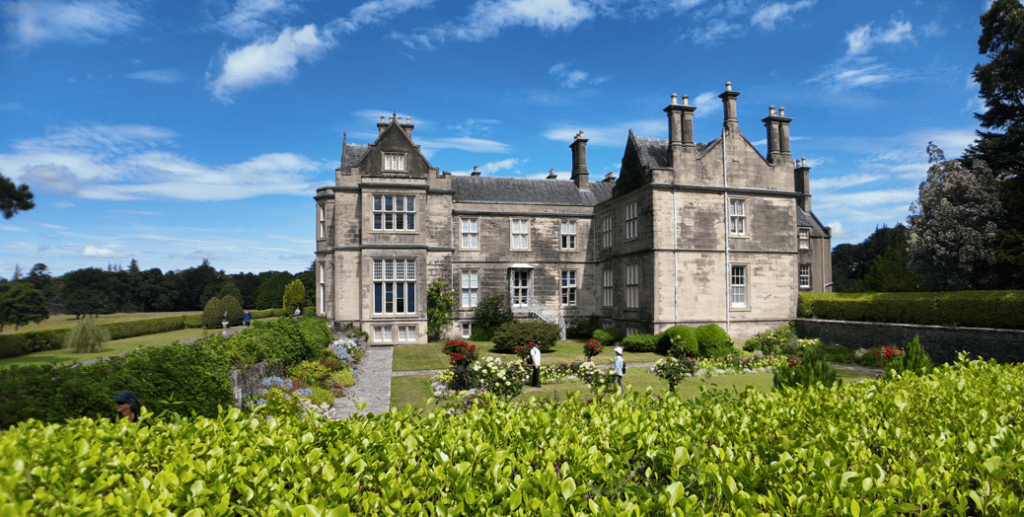
If you have time in Killarney itself, major historical sites include Ross Castle, Muckross House and Muckross Abbey.
Moll’s Gap
Moll’s Gap sits on the mountain route between Kenmare and Killarney and provides a very different landscape from Kenmare Bay.
The road rises into open mountain country before descending towards the lakes and woodland of Killarney National Park.
Visibility can change quickly here. On a clear day the mountain views are extensive, while low cloud can reduce them dramatically.
This is another reason I recommend allowing time rather than building the journey around the shortest possible driving estimate.
Kenmare and the Beara Peninsula
Kenmare’s position beside the Beara Peninsula is one of the strongest reasons to stay more than one night.
The Beara landscape is different from the Ring of Kerry. It is generally quieter, more rugged and less dominated by the major visitor traffic associated with Killarney and the traditional Ring.
Roads can be narrow and touring takes time, but visitors willing to dedicate a day to Beara discover another side of south-west Ireland.
Kenmare is therefore particularly useful for travellers who want to combine County Kerry with parts of West Cork without repeatedly changing accommodation.
Food and Drink in Kenmare
Kenmare has developed a strong reputation for food, and eating well is part of the experience of staying here.
The town has cafés, pubs and restaurants covering everything from casual lunches to more substantial evening meals.
I would avoid recommending one fixed restaurant for every visitor because businesses, opening days and availability change. Instead, walk around the town, look at current menus and book ahead during busy periods if there is somewhere you particularly want to eat.
One of the pleasures of staying overnight is that you can enjoy the town in the evening rather than worrying about continuing a long drive back to another base.
Shopping and Local Crafts
Kenmare is also a good place to browse independent shops and galleries.
The town’s craft tradition extends well beyond Kenmare Lace, and visitors will find Irish-made products, artwork, books, knitwear, jewellery and locally produced food among the businesses around the centre.
Give yourself enough time to wander. Shopping in a small Kerry town is very different from walking through a large commercial centre, and many of the most interesting businesses are independent.
How Long Should You Spend in Kenmare?
If you are simply stopping during a Ring of Kerry tour, I would allow at least one to two hours. That gives you enough time to walk through the town, have coffee or lunch and avoid treating Kenmare as nothing more than a photograph stop.
For the town itself, half a day is comfortable.
If you want to include the stone circle, Reenagross, shopping and a relaxed meal, three to four hours is easy to justify.
Two or three nights makes Kenmare particularly valuable because you can use it as a base for separate days around the Ring of Kerry, Beara Peninsula and Killarney National Park.
Is Kenmare a Good Base for the Ring of Kerry?
Yes. In some respects it is one of the best.
Staying in Kenmare means you begin directly on the southern side of the Ring rather than driving from Killarney before the main circuit has really begun.
It is especially convenient for exploring Sneem, Staigue, Derrynane and the southern Iveragh Peninsula.
Killarney has its own advantages, particularly for rail access and Killarney National Park, but Kenmare gives you a quieter base with excellent access to both Iveragh and Beara.
Kenmare or Killarney?
I would not describe one town as universally better.
Killarney is larger, busier and exceptionally well positioned for the national park, Gap of Dunloe and northern side of the Ring of Kerry.
Kenmare is smaller and generally feels more relaxed. It works particularly well for the southern Ring, Beara Peninsula and visitors who prefer a compact town centre.
If your Kerry itinerary allows it, staying in both can make more sense than choosing one and driving back and forth repeatedly.
Visiting Kenmare in the Rain
Kenmare handles poor weather better than many purely scenic destinations.
If cloud removes the mountain views, you can still explore the shops, cafés, restaurants and heritage of the town.
Short walks can be fitted around showers, while longer outdoor plans can be moved to another part of the day if conditions improve.
Rain also changes the surrounding landscape considerably. Waterfalls become stronger, woodland deepens in colour and mountain cloud gives the Kenmare Bay area a very different atmosphere.
Who Does Kenmare Suit?
Kenmare works particularly well for couples, independent travellers, walkers, food lovers and visitors who prefer smaller towns.
It is also an excellent base for photographers because several very different landscapes can be reached from the same accommodation.
Families can combine town activities with woodland walks and outdoor experiences, while history enthusiasts have prehistoric and later heritage within easy reach.
The town centre itself is relatively easy to explore on foot, although visitors with specific mobility requirements should check individual attractions and walking routes before travelling.
Kenmare on a Private Kerry Tour
Kenmare fits particularly well into a private touring day because it connects naturally with Killarney National Park and the southern Ring of Kerry.
My private Killarney National Park and Kenmare tour combines the lakes, historic sites and mountain landscapes of Killarney with the journey through Moll’s Gap towards Kenmare.
Travelling privately allows the day to be adapted around weather and interests. Some guests want more time at historic sites, others want photography, and some simply want enough time in Kenmare for lunch and a relaxed walk through the town.
That flexibility is much more useful than trying to fit every visitor into exactly the same timetable.
Continue Exploring South Kerry
Kenmare is one of the strongest places from which to explore the southern half of County Kerry.
Travel west towards Sneem and the historic landscape around Staigue Fort, continue further around the Iveragh Peninsula towards Waterville and Portmagee, or head north through the mountains towards Killarney.
If you are planning a larger Kerry itinerary, the main Explore Kerry section connects Kenmare with the county’s towns, historic sites, beaches and natural landscapes, while Places to See in Kerry can help you decide which stops deserve your limited time.
Kenmare is easy to underestimate because it is relatively small. Give it time, though, and its strength becomes clear. It is a pleasant town in its own right, a historic settlement with prehistoric roots, and one of the most strategically placed bases for exploring South Kerry and the landscapes beyond.
Frequently Asked Questions About Kenmare
Is Kenmare worth visiting?
Yes. Kenmare combines a compact heritage town, prehistoric remains, walking, shops, restaurants and easy access to the Ring of Kerry, Killarney National Park and Beara Peninsula.
How long should I spend in Kenmare?
Allow at least one to two hours if you are stopping during a Ring of Kerry drive. Half a day is better for exploring the town properly, while two or three nights makes Kenmare an excellent touring base.
Is Kenmare on the Ring of Kerry?
Yes. Kenmare is one of the principal towns on the Ring of Kerry and lies on the southern side of the Iveragh Peninsula.
Is Kenmare near Killarney?
Kenmare and Killarney are connected by the N71 through Moll’s Gap and Killarney National Park. The journey is relatively short in distance but deserves extra time because of the mountain road and worthwhile viewpoints.
What is Kenmare famous for?
Kenmare is known for its heritage-town character, colourful streets, Kenmare Lace tradition, prehistoric stone circle, food and its location between the Ring of Kerry and Beara Peninsula.
Can you walk around Kenmare?
Yes. The town centre is compact and easily explored on foot. Reenagross Woodland Park and the stone circle also provide additional walking opportunities close to the centre.
Is Kenmare better than Killarney?
They suit different visitors. Killarney is larger and better positioned for Killarney National Park, while Kenmare is smaller, quieter and particularly convenient for the southern Ring of Kerry and Beara Peninsula.
Can Kenmare be visited as a day trip?
Yes. Kenmare can be visited easily as part of a day from Killarney or during the Ring of Kerry. However, staying overnight gives you more time to enjoy the town and explore South Kerry without rushing.
What can I see near Kenmare?
Nearby possibilities include Moll’s Gap, Killarney National Park, Sneem, Staigue Fort, Derrynane and the wider Ring of Kerry. The Beara Peninsula also begins immediately south of the town.
Is Kenmare a good place to stay in Kerry?
Yes, particularly if you want a smaller base with good restaurants and easy access to the Ring of Kerry, Beara Peninsula and Killarney. Its location makes it especially useful for visitors spending several days in South Kerry.