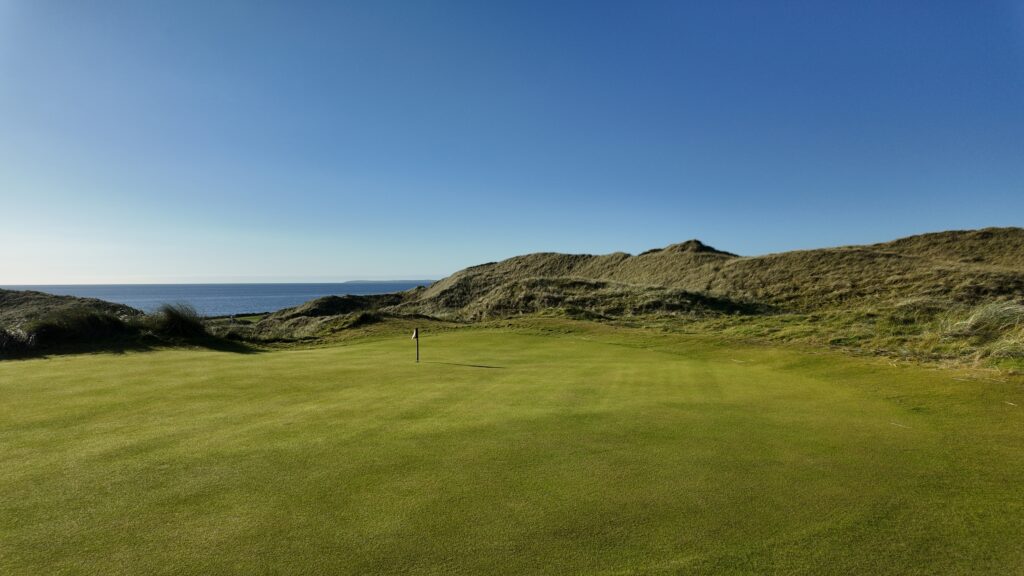
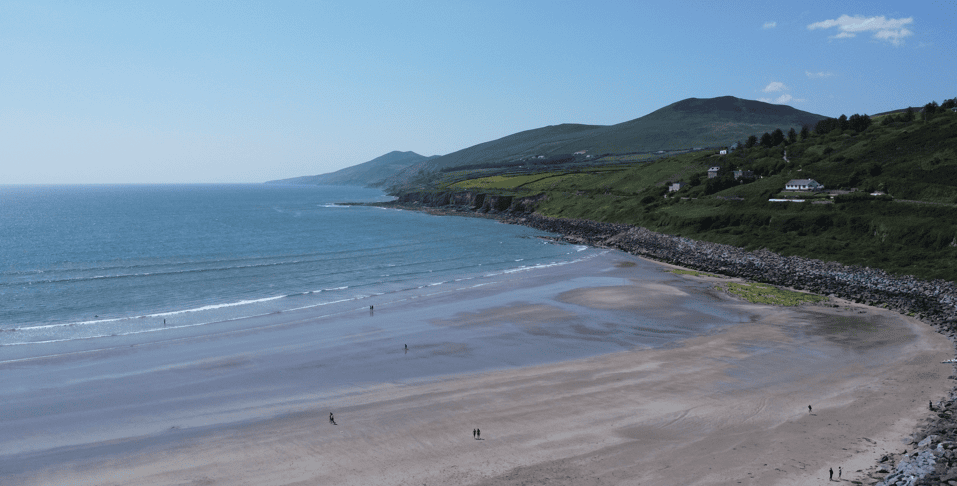
The beaches of the Dingle Peninsula are as varied as the landscape surrounding them. Long sandy strands, small Atlantic coves, exposed surf beaches and quieter sections of coastline appear around almost every side of the peninsula, and each has a very different character.
The Best Beaches to Visit Around the Dingle Peninsula
Many visitors first encounter the coast while following Slea Head Drive, but the beaches of the Dingle Peninsula extend far beyond the famous western route. Inch Beach stretches for kilometres into Dingle Bay, Coumeenoole Beach sits beneath the cliffs of Slea Head, and Clogher Strand faces directly into the Atlantic on the north-western side of the peninsula.
What I like about these places is that they are not simply different versions of the same beach. Some are good for long walks, some are places to experience the force of the Atlantic, some work particularly well for photography, and others help you understand the geography of West Kerry.
If you are planning a first visit, I would not try to collect every beach in one day. Choose the beaches that fit naturally into the part of the peninsula you are exploring and allow enough time to actually walk, look around and enjoy them.
Why the Dingle Peninsula Has Such a Varied Coastline
The Dingle Peninsula projects westward into the Atlantic, with Dingle Bay to the south and the open Atlantic and Brandon Bay around its northern coastline. Mountains run through much of the centre of the peninsula, while headlands, bays and glacially shaped landscapes create very different coastal environments within relatively short distances.
That geography explains why Inch Beach feels completely different from Coumeenoole or Clogher. Inch is broad and expansive. Coumeenoole is enclosed beneath steep slopes. Clogher is compact, rocky and directly exposed to Atlantic swell.
The wider Places to See in Kerry collection is useful if you want to compare the peninsula’s beaches with its mountain passes, viewpoints and scenic routes.
Inch Beach
Inch Beach is one of the largest and most recognisable beaches on the Dingle Peninsula. The strand extends for approximately five kilometres along a sandy spit reaching into Dingle Bay.
Its scale is the first thing that distinguishes it. Where some western beaches feel enclosed by cliffs, Inch opens across a broad sweep of sand, sea and surrounding mountains.
The beach is popular for walking and water activities, and the wide strand makes it particularly enjoyable when you simply want to spend time beside the sea rather than make a short photography stop.
Inch is also geographically useful for visitors travelling between Dingle and Killarney. It lies towards the eastern end of the peninsula and can be incorporated naturally into a journey without requiring the full Slea Head circuit.
What Makes Inch Beach Worth Visiting?
For me, the attraction of Inch is the scale of the surrounding landscape.
Walk away from the busiest access area and the view begins to open in several directions. Mountains frame the bay, the shoreline stretches into the distance and the wide beach creates a very different sense of space from the smaller coves around West Kerry.
It is also somewhere where you can decide how long you want the stop to become. Ten minutes will give you a photograph. An hour allows you to walk and appreciate the setting. In suitable conditions, visitors interested in surfing and other water activities can spend considerably longer.
If you have several days on the peninsula, Inch fits particularly well with the eastern and southern areas described in my 3-Day Dingle Peninsula Itinerary.
Coumeenoole Beach
Coumeenoole Beach could hardly be more different.
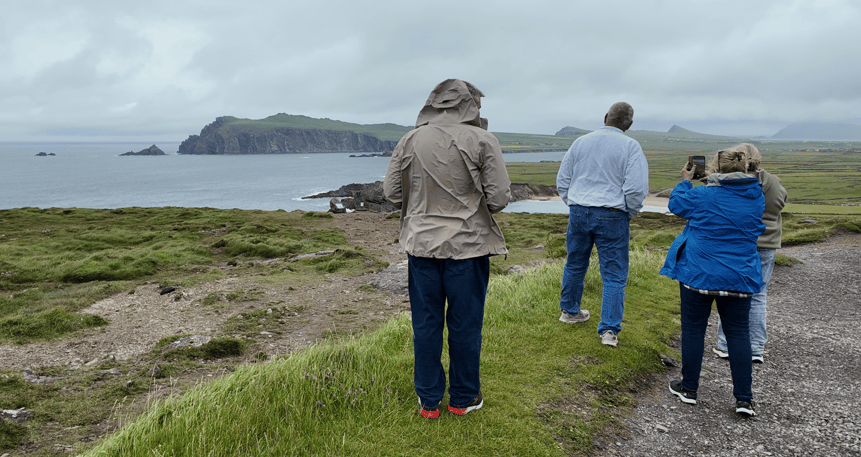
This small sandy cove lies beneath steep coastal slopes on the western edge of the peninsula, directly along Slea Head Drive. The Atlantic, surrounding cliffs and views towards the Blasket Islands give it one of the most distinctive coastal settings in West Kerry.
Coumeenoole is often photographed from above before visitors walk down towards the beach. I think that higher perspective is important because it shows how tightly the cove sits within the surrounding landscape.
The beach is also associated with the filming of David Lean’s Ryan’s Daughter, which used several locations around the Dingle Peninsula.
Respecting the Atlantic at Coumeenoole
Coumeenoole should not be treated like an ordinary sheltered swimming beach.
The beach faces a powerful Atlantic environment, and sea conditions can change considerably. Waves that look manageable from higher ground may behave very differently once you reach the shoreline.
I approach Coumeenoole primarily as a scenic coastal stop. Walk, enjoy the view and appreciate the setting, but always give the ocean the respect it deserves.
The beach makes most sense as part of the wider Slea Head Drive journey rather than as an isolated destination.
Coumeenoole and the Blasket Islands
One of the reasons Coumeenoole is so memorable is its relationship with the Blasket Islands.
As you move around the western peninsula, the islands continually change position in relation to the mainland. Around Coumeenoole and Dún Chaoin, they become an essential part of the Atlantic view.
This is where knowing something about the history of the islands adds considerably to the experience. They were not simply remote landmarks. Great Blasket supported an Irish-speaking community until the permanent evacuation of the island in 1953.
Continue towards Dunquin Pier and the relationship between the mainland and islands becomes even more obvious.
Clogher Strand
Clogher Strand sits on the north-western side of the peninsula near Ballyferriter and offers another completely different Atlantic experience.
The beach is smaller than Inch and more enclosed by rocky headlands. It faces directly towards an energetic section of the Atlantic, and strong swell can transform the appearance of the bay.
I would describe Clogher primarily as a place to watch the coast rather than somewhere to plan a conventional beach day.
On calmer days, you can appreciate the shape of the strand, rock formations and surrounding fields. In rougher conditions, the Atlantic itself becomes the attraction, provided you remain well back from breaking waves and exposed shoreline rocks.
The Geology at Clogher Strand
Clogher has an additional story beneath the scenery.
The rocks around the strand contain exceptionally old geological evidence, including trace fossils formed by organisms moving through marine sediments hundreds of millions of years ago.
These are not fossilised animals in the way people sometimes imagine fossils. They preserve evidence of activity in an ancient sea-floor environment, giving the beach a geological significance that is easy to overlook if you arrive only to photograph the waves.
The dedicated Clogher Strand visitor guide explains this geology and the practical coastal conditions in more detail.
Clogher Head and the Wider Coastal View
The Clogher landscape is best appreciated as more than the beach itself.
The surrounding headland provides broader views across the north-western peninsula, where the Three Sisters, Ceann Sibéal, Atlantic coastline and offshore islands create a much larger panorama.
This is another example of why I would not judge beaches purely by the quality of the sand. Around the Dingle Peninsula, the landscape surrounding a beach is often just as important as the shoreline itself.
If photography is your priority, exploring the beach together with the higher surrounding viewpoints gives you much more variety than remaining at sea level for the entire stop.
Ventry and the Sheltered Western Approach
Ventry lies west of Dingle and is often the first major coastal landscape visitors encounter when setting out towards Slea Head.
The beach sits within Ventry Harbour, making its character noticeably more sheltered than Coumeenoole or Clogher.
This makes Ventry useful for understanding how quickly the peninsula changes. You can be looking across a relatively broad and sheltered bay and, not long afterwards, find yourself travelling beside the exposed Atlantic coast of Slea Head.
Ventry is also a good place for a longer beach walk when conditions are suitable, particularly if you do not want the more exposed environment of the western strands.
Beaches Are Part of the Slea Head Story
The western beaches should not be separated from the wider Slea Head landscape.
The route connects Ventry, Fahan, Coumeenoole, Dún Chaoin, Ballyferriter and Clogher through a sequence of bays, headlands and Atlantic viewpoints.
If you only have one day in Dingle, I would normally prioritise this western circuit rather than attempt to combine every beach on the peninsula. My guide to whether Slea Head Drive is worth it when you have one day explains why this part of the peninsula works so well for a first visit.
Which Dingle Peninsula Beach Is Best for Walking?
If your priority is a long walk, Inch is one of the strongest choices because of the sheer length and openness of the strand.
Ventry can also work very well for a relaxed coastal walk in a more sheltered setting.
Coumeenoole and Clogher are different. I would visit them for scenery, photography and the experience of the Atlantic coast rather than expecting the same long, uninterrupted strand walk you can enjoy at Inch.
The best beach therefore depends on what you actually want to do rather than which one appears first on a list of Dingle attractions.
Which Beach Is Best for Atlantic Scenery?
For sheer western Atlantic character, Coumeenoole and Clogher are difficult to beat.
Coumeenoole has the cliffs, Blasket views and Slea Head setting. Clogher has a more rugged north-western feel, with rocky headlands and powerful surf.
Inch gives you scale rather than enclosure. Its strength is the long strand and surrounding mountain landscape.
That variety is precisely why I would avoid describing any one of them as the definitive ‘best beach on the Dingle Peninsula’. They offer different experiences.
Which Beach Is Best for Photography?
Again, it depends on the photograph you want.
Inch Beach works particularly well for wide landscapes, long shoreline perspectives and mountain backdrops.
Coumeenoole gives you a much tighter composition of cliffs, sand, Atlantic water and offshore islands.
Clogher Strand works well when you want surf, exposed rock and a rougher Atlantic atmosphere.
Weather often matters more than the beach itself. Clear conditions produce long views, but broken cloud and low Atlantic light can create much more interesting photographs.
Beaches in Kerry Weather
Kerry weather should always be part of your planning.
A beach that appears calm and bright in the morning can look completely different later in the day. Wind direction, tide, Atlantic swell and cloud all influence the experience.
Bring a waterproof layer even when the forecast looks reasonable, particularly if you are planning to spend several hours moving between coastal stops.
Do not assume that poor weather means there is no point visiting a beach. Clogher can be particularly impressive when Atlantic conditions are active, while Inch takes on a completely different character beneath changing cloud.
The important distinction is between dramatic weather and unsafe conditions. Never put yourself near breaking waves, exposed cliffs or rising water simply because the landscape looks impressive.
Swimming on the Dingle Peninsula
Visitors frequently ask which beaches are suitable for swimming.
The answer must depend on the individual beach and the conditions on the day. Atlantic beaches can experience currents, swell and rapidly changing water conditions that are not obvious from photographs.
Do not assume that a sandy beach is automatically a safe swimming location.
Where lifeguard services operate, they may be seasonal. Always follow current local safety information and warning signs, and never rely on an old online article for changing sea or lifeguard conditions.
Clogher, in particular, is best approached as an exposed scenic beach rather than a normal swimming location because of its Atlantic conditions.
Beaches for Families
Families should choose beaches according to the conditions and the type of visit they want.
A broad strand where children can walk and play on the sand is a very different proposition from an exposed western cove where the principal attraction is the Atlantic scenery.
Inch and Ventry generally provide more space for a conventional beach visit, while Coumeenoole and Clogher require more caution around the water.
Even on broad beaches, supervise children closely around the sea. Atlantic conditions deserve respect regardless of how calm the beach appears when you arrive.
How Long Should You Spend at Each Beach?
The answer varies considerably.
At Coumeenoole, 20 to 40 minutes can provide enough time for the viewpoint, a short walk and photographs during a wider Slea Head day.
Clogher can work in a similar way, although photographers and visitors interested in geology may want longer.
Inch can easily become a much longer stop. If you want a proper walk, lunch nearby or time on the beach, an hour or more can disappear very quickly.
I would avoid assigning every beach a rigid time slot. If the weather is excellent and you are enjoying a particular location, that may be exactly where you should spend your time.
Can You Visit All the Beaches in One Day?
Technically, you can drive between several major beaches in one day. I would question whether that is the best way to experience them.
If you are based in Dingle, I would divide the peninsula geographically.
Use one day for the western coastline around Slea Head, including Coumeenoole and Clogher. Visit Inch when exploring the eastern or southern peninsula or when travelling between Dingle and another part of Kerry.
This is far more relaxed than creating a beach checklist and spending the day driving from one end of the peninsula to another.
A Three-Day Approach to the Coast
If you have three days in Dingle, beaches can be fitted into the journey much more naturally.
One day can concentrate on Slea Head, where Coumeenoole becomes part of the western coastal experience rather than a separate trip.
A second day can include Dingle town, the Blasket story and quieter western locations.
The third can take you towards Conor Pass, the northern peninsula, Inch or the southern coastline depending on weather and what you have not yet explored.
My three-day Dingle itinerary follows this more relaxed approach.
Going Beyond the Famous Beaches
Not every worthwhile section of coastline needs to be one of the peninsula’s most photographed places.
Some of the most enjoyable stops come from quieter beaches, small harbours and coastal roads you encounter while travelling between the better-known destinations.
The key is to distinguish between genuinely useful local exploration and the modern obsession with finding so-called secret locations.
The Dingle Peninsula still supports working farms, fishing communities and private homes. A quieter place is not automatically somewhere visitors have unrestricted access.
My guide to lesser-known places on the Dingle Peninsula looks at exploring beyond the principal attractions without treating every quiet location as something that needs to become the next online ‘hidden gem’.
Driving Between the Beaches
Distances on the Dingle Peninsula can be deceptive.
A map may suggest that two beaches are relatively close, but the roads connecting them can be narrow and winding. Add photography stops, traffic, cyclists and places where you simply decide to stop, and the day quickly becomes longer than expected.
On Slea Head, follow the established clockwise direction from Dingle through Ventry and around the western peninsula. The dedicated Slea Head Drive guide explains the road and route in more detail.
If you want to explore the peninsula more broadly, Conor Pass offers a completely different mountain connection between Dingle and the northern side of the peninsula, although its narrow northern section is not suitable for every vehicle or every driver.
Beaches and the Wider Dingle Peninsula
The strongest visits combine the coastline with the peninsula’s other stories.
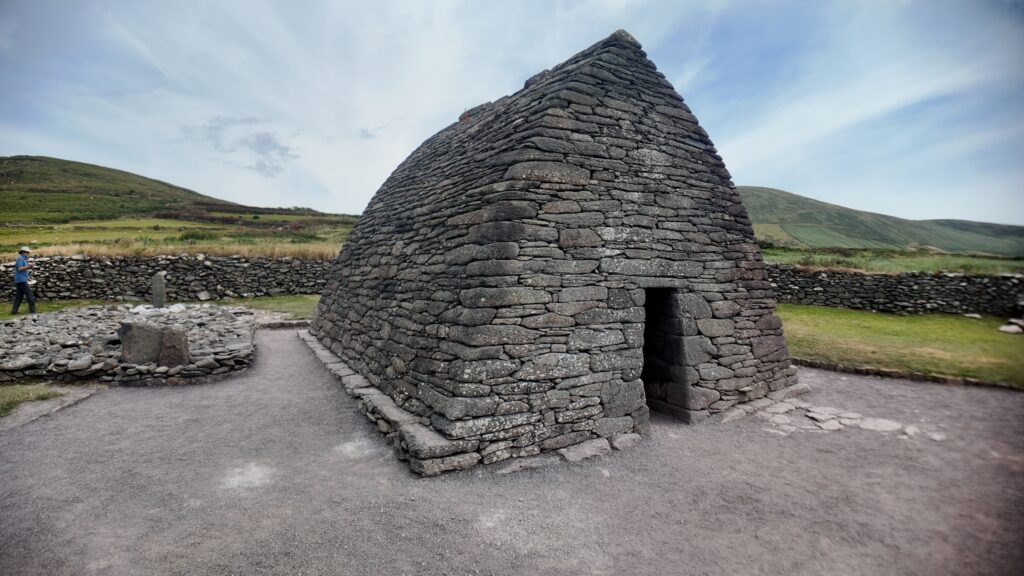
A day containing nothing but beaches can be enjoyable, but you are missing much of what makes Corca Dhuibhne distinctive if you ignore its archaeology, Gaeltacht culture, early Christian heritage and villages.
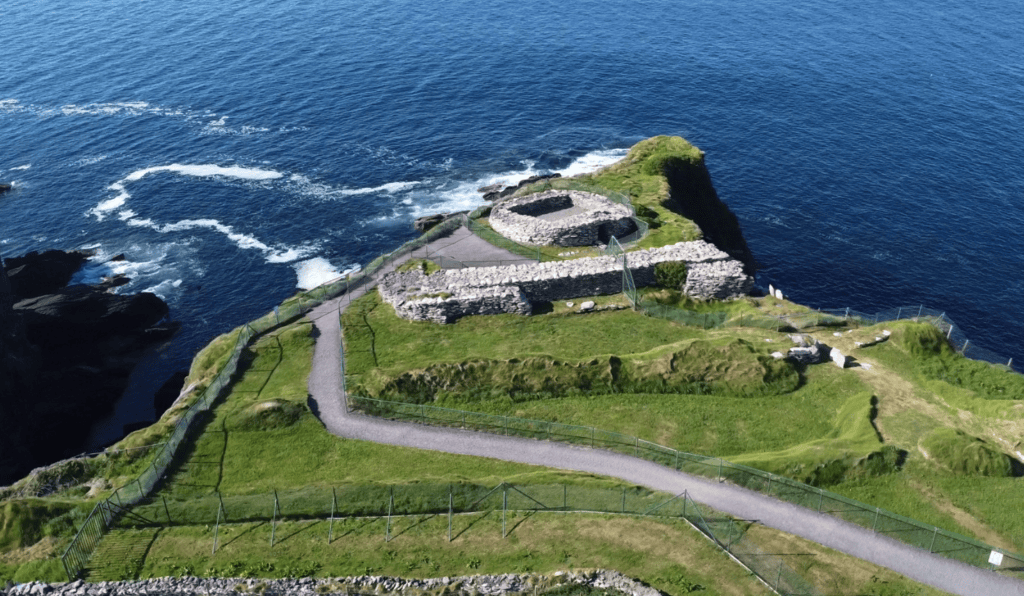
This is particularly obvious around Slea Head, where beaches sit beside ancient monuments and landscapes connected with the Blasket community.
If this is your first trip, the First Trip to Dingle guide provides a broader framework for balancing scenery, history and practical touring time.
Explore the Beaches with a Local Guide
Beaches naturally form part of many of my private Dingle Peninsula tours, but I do not build a tour around stopping at every stretch of sand.
The coastline is best experienced as part of the wider geography. Coumeenoole makes sense within Slea Head. Inch works naturally on a wider Dingle Peninsula journey. Clogher fits with Ballyferriter and the north-western coast.
For visitors who want to explore beyond the principal Slea Head circuit, my full-day private Dingle Peninsula tour gives us enough time to connect the western coast with mountains, quieter roads and the eastern side of the peninsula without forcing everything into a few hours.
Continue Exploring the Dingle Peninsula
The peninsula’s beaches are only one part of its natural landscape. Use Places to See in Kerry to explore mountain passes, scenic drives and viewpoints alongside the coastline, or return to the main Explore Kerry guide to plan a wider journey through County Kerry.
If this is your first visit and time is limited, I would begin with Slea Head and experience its coastline properly rather than trying to visit every beach. If you have several days, add Inch, Clogher and the quieter sides of the peninsula as separate parts of a slower journey.
That approach gives each beach enough space to feel different. And that, more than the number of beaches you manage to photograph, is what makes the Dingle Peninsula coastline worth exploring.
Frequently Asked Questions About Dingle Peninsula Beaches
What are the best beaches on the Dingle Peninsula?
Inch Beach, Coumeenoole Beach, Ventry and Clogher Strand are among the peninsula’s best-known coastal locations, but they offer very different experiences. Inch is ideal for scale and long walks, Coumeenoole for Slea Head scenery, and Clogher for a more exposed Atlantic landscape.
What is the biggest beach on the Dingle Peninsula?
Inch Beach is one of the peninsula’s largest and most recognisable strands, extending for around five kilometres into Dingle Bay.
Which Dingle beach is on Slea Head Drive?
Coumeenoole Beach is one of the best-known beach stops directly associated with Slea Head Drive. Ventry also lies along the clockwise route west from Dingle before the road reaches the more exposed Atlantic coastline.
Is Coumeenoole Beach safe for swimming?
Coumeenoole is an exposed Atlantic beach and should be treated with considerable caution. I would approach it primarily as a scenic coastal stop rather than assume it is suitable for swimming. Always follow conditions and current local safety guidance.
Can you swim at Clogher Strand?
Clogher is exposed to strong Atlantic conditions and is not a beach I would recommend treating as a routine swimming location. Its greatest appeal is the scenery, geology and powerful coastal setting.
Which Dingle Peninsula beach is best for walking?
Inch Beach is particularly good for a long beach walk because of its extensive sandy strand. Ventry is another strong option for visitors looking for a more relaxed coastal walk.
Which beach is best for photography?
Coumeenoole is excellent for dramatic cliffs and Blasket Island views, Clogher for Atlantic surf and rocky coastline, and Inch for wide landscapes and mountain backdrops. The best choice depends on weather and the type of photograph you want.
Can I visit Inch Beach and Slea Head in the same day?
Yes, but it creates a longer peninsula day. If you only have limited time, I would normally concentrate on Slea Head and experience it properly. Inch fits particularly well into a longer Dingle Peninsula day or a journey towards Killarney.
Do Dingle Peninsula beaches have facilities?
Facilities vary considerably. Larger and busier beaches may have more nearby services, while smaller Atlantic beaches can have little or nothing beyond parking. Check current information for the specific beach rather than assuming facilities are available everywhere.
How many days do I need to explore the Dingle Peninsula beaches?
You can see several major beaches in one day, but two or three days allows you to combine them much more naturally with Slea Head, Dingle, Conor Pass, historical sites and the wider peninsula without spending your entire visit driving between locations.