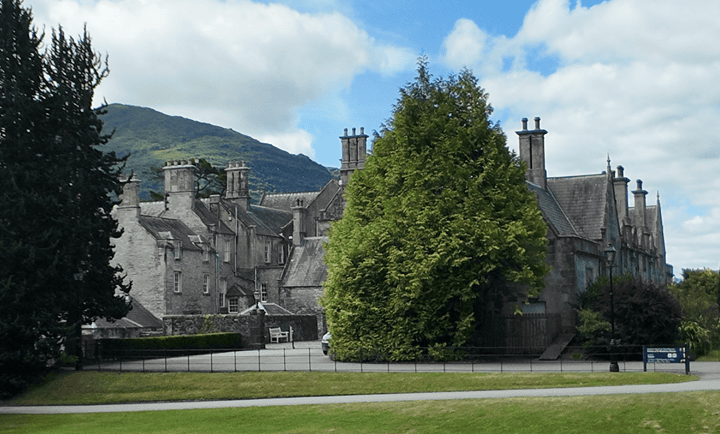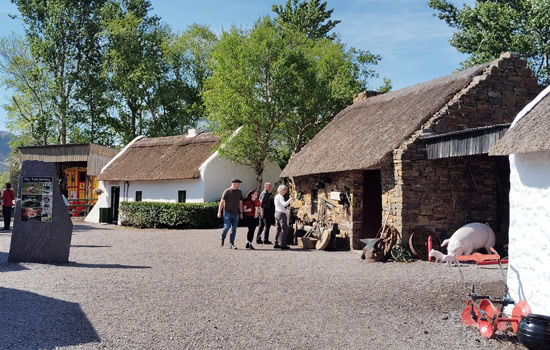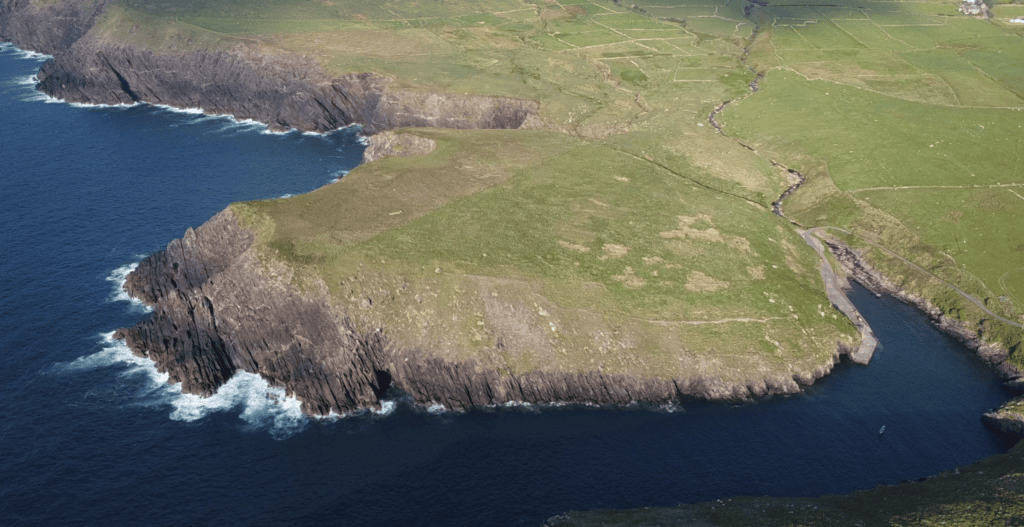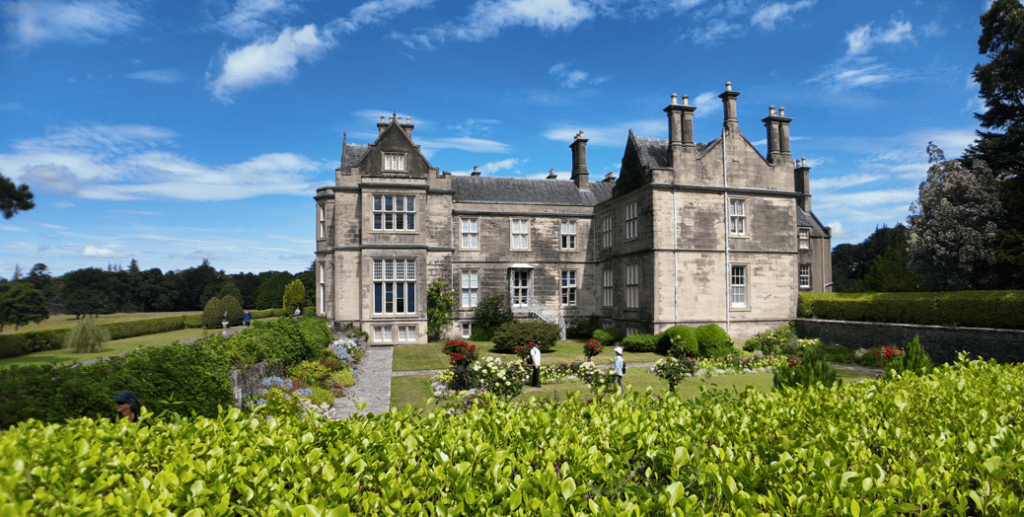
Three days gives you enough time to experience the Dingle Peninsula without turning the trip into a race.
You can devote one day to Slea Head and the western peninsula, another to Dingle and the Blasket story, and keep the third for the mountains, quieter coastline or places you deliberately skipped earlier.
The most important advice I can give is not to follow the days too rigidly.
Watch the weather.
Put Slea Head and Conor Pass on the clearest days. If rain or low cloud moves in, use that time for Dingle Town, Oceanworld, the Blasket Centre or a slower food-and-culture day.
That flexibility will improve your three days far more than trying to follow an itinerary simply because it says “Day 1”.
Is Three Days Enough for the Dingle Peninsula?
Yes.
Three days is a very good amount of time for a first visit.
One day allows you to see the main highlights, but you will inevitably move quickly. Two days gives you considerably more freedom. With three days, you can slow down, spend proper time at historical sites, enjoy Dingle in the evening and still explore beyond the main Slea Head route.
You will not see everything.
Nor should you try.
The Dingle Peninsula rewards people who stop, walk, look around and understand where they are rather than collecting attractions.
Where Should You Stay?
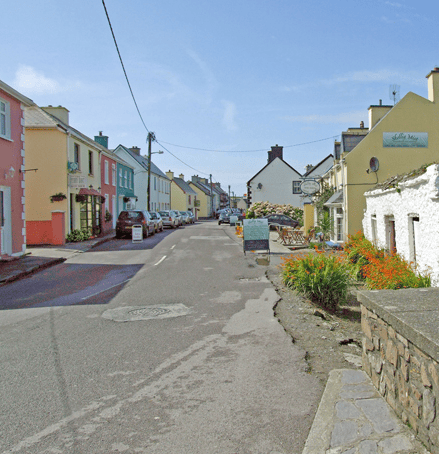
For this itinerary, I would base yourself in Dingle Town.
It puts you in a practical position for exploring every part of the peninsula while giving you restaurants, pubs, shops and the harbour within walking distance when you return in the evening.
It also means you do not need to get back into the car simply to go for dinner or hear traditional music.
For a three-day visit, that convenience matters.
How to Use This Itinerary
The order below works well geographically, but treat it as a framework rather than a timetable.
My priorities would be:
- Clearest day: Slea Head Drive
- Another clear day: Conor Pass or the north and east peninsula
- Poorer-weather day: Dingle Town, Oceanworld or the Blasket Centre
If you are taking a boat to the Blasket Islands, that day will largely be determined by sailing conditions.
Always let the peninsula dictate the pace rather than forcing the itinerary against the weather.
Day 1: Slea Head Drive and West Kerry Heritage
Your first full day should introduce you to the landscapes, archaeology and communities of the western Dingle Peninsula.
Slea Head Drive is the obvious place to begin.
But don’t make the mistake of trying to stop everywhere.
Morning: Dingle to Slea Head
Leave Dingle after breakfast and travel west towards Ventry.
From here the landscape gradually opens towards the Atlantic, and the road begins following the southern coastline of the peninsula.
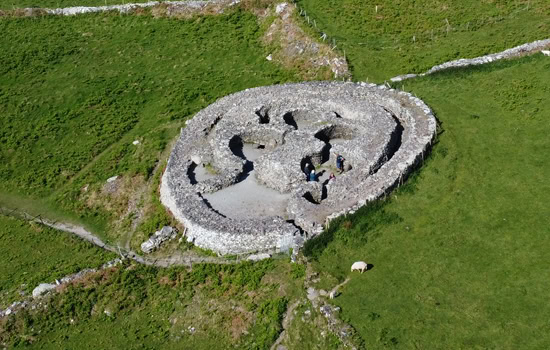
Possible historical stops around Fahan include the Fahan Beehive Huts and Dún Beag Promontory Fort.
You do not necessarily need to visit every archaeological site.
If history is a major interest, allow time for one or two and explore them properly. If scenery is your priority, keep moving and spend longer at the coastal viewpoints ahead.
Slea Head and Coumeenoole
As the road rounds Slea Head, the views open towards the Blasket Islands.
Take your time here.
There are several places where stopping for a few minutes provides a much better understanding of the landscape than simply driving through.
Continue towards Coumeenoole Beach, where cliffs and Atlantic surf create one of the most recognisable coastal settings on the peninsula.
The beach itself is exposed to the Atlantic and should be treated as somewhere to enjoy the scenery rather than somewhere to assume swimming conditions are safe.
Dún Chaoin and the Blasket Islands
From Coumeenoole, continue towards Dún Chaoin.
This is one of the best places to understand the relationship between the mainland and the Blasket Islands.
Dunquin Pier is immediately recognisable from photographs, but don’t make the pier itself the only reason for stopping.
Look west.
The islands offshore shaped the lives of generations of people who lived at the edge of the Atlantic, and their story becomes much more meaningful once you understand the geography.
If visibility is good, this is somewhere worth slowing down.
Lunch on the Western Peninsula
Rather than rushing back to Dingle, stop for lunch somewhere around the western side of the peninsula.
The exact choice depends on opening days and season, so I would avoid building the itinerary around one particular restaurant.
The important thing is to break the day naturally.
Slea Head becomes much more enjoyable when you stop treating it as a drive to complete.
Afternoon: Ballyferriter, Gallarus and Kilmalkedar
Continue towards Ballyferriter and the northern side of the western peninsula.
This is where I would shift the emphasis from scenery towards heritage.
Gallarus Oratory
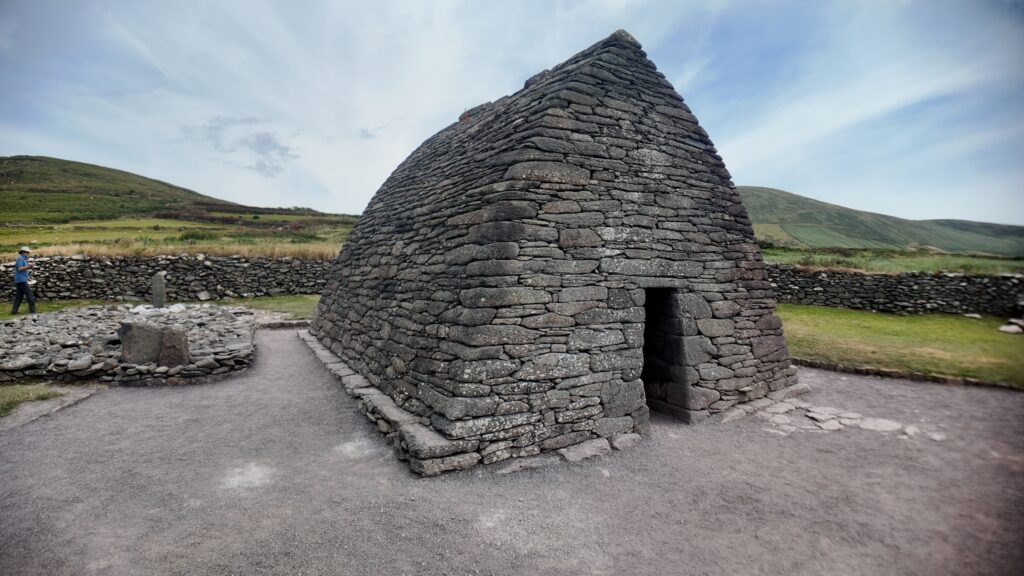
Gallarus Oratory is one of the best-known historical sites on the Dingle Peninsula.
Its drystone construction and remarkable survival make it worth seeing, but the real interest comes from understanding how it fits into the early Christian landscape of West Kerry.
Allow enough time to walk around it rather than simply photographing the building and leaving.
Kilmalkedar Church
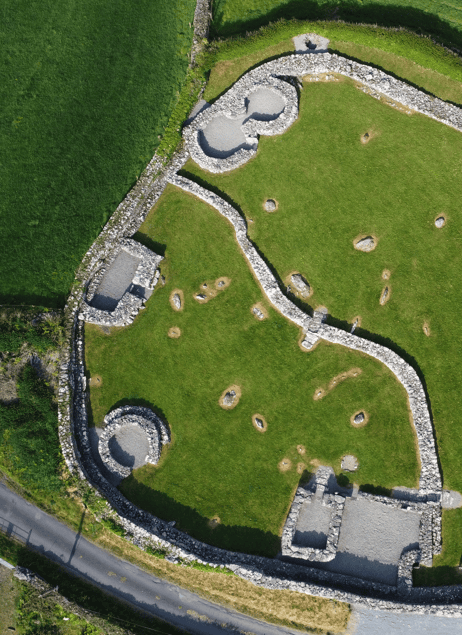
If you want a deeper historical stop, continue to Kilmalkedar Church.
The site contains far more than a ruined church. Its wider archaeological landscape connects early Christianity, pilgrimage and centuries of religious activity on the peninsula.
For history enthusiasts, I would choose Kilmalkedar over trying to squeeze another scenic viewpoint into the day.
Return to Dingle
From Kilmalkedar, return to Dingle in the late afternoon.
You should still have enough time to relax before dinner.
That matters.
A good itinerary should leave room to enjoy the town rather than returning exhausted every evening.
Evening: Dinner and Traditional Music
Spend the evening in Dingle.
If seafood is a priority, Out of the Blue is one restaurant worth researching and booking in advance.
Afterwards, look for traditional music.
The best pub depends on what is happening that particular evening, but places such as O’Sullivan’s Courthouse, O’Flaherty’s, Nelligan’s, Foxy John’s and Dick Mack’s are all worth checking.
Don’t plan your music night too rigidly.
Check current listings, then walk around town and see where the evening leads.
Day 1 at a Glance
- Best for: scenery, archaeology and first-time visitors
- Allow: most of the day
- Weather: save this for good visibility if possible
- Driving: relatively short distances, but allow much longer than the map suggests because you will stop frequently
Day 2: Dingle Town and the Blasket Story
Day 2 should feel different.
Instead of spending another full day driving, use it to understand Dingle itself and the remarkable story of the Blasket Islands.
There are two good ways to structure the day.
Option A: Visit Great Blasket Island
If you want to land on Great Blasket and sailings are operating, treat this as the day’s main activity.
Don’t try to combine an island visit with a long list of other attractions.
Boat trips are weather-dependent, and crossing times, departure points and schedules can vary.
If you choose the island, give it the time it deserves.
The experience is less about ticking off another destination and more about walking through a landscape where an extraordinary Irish-speaking community lived until the island’s evacuation in 1953.
The guide to the history and culture of the Blasket Islands provides useful context before making the crossing.
When you return to Dingle, keep the evening simple.
Walk the harbour, have dinner and enjoy the town.
Option B: Dingle Town and the Blasket Centre
If you are not travelling to the island, combine Dingle with the Blasket Centre in Dún Chaoin.
Morning: Explore Dingle on Foot
Spend the first part of the day walking around town.
Dingle is compact enough that you do not need an itinerary for every street.
Walk the harbour.
Explore the shops.
Stop for coffee.
Look into independent local businesses rather than treating the town as somewhere you simply sleep between scenic drives.
If you want something distinctly connected with Dingle, this is also a good time to try Murphys Ice Cream, visit local food shops or plan a visit to Dingle Distillery if you have booked an appropriate experience.
The important thing is not to turn the morning into another checklist.
Enjoy the town.
Midday: The Blasket Centre
Travel west towards Dún Chaoin and visit the Blasket Centre.
This is one of the peninsula’s strongest cultural attractions because it explains the lives, language and literature of the people who lived on Great Blasket and the surrounding islands.
If you visited Dún Chaoin on Day 1, returning here is not wasted driving.
The purpose is different.
Day 1 was about understanding the landscape.
Today is about understanding the people who lived within it.
That distinction makes the journey worthwhile.
Late Afternoon: Return to Dingle
Return to Dingle without adding another long sightseeing loop.
Use the remainder of the afternoon for the harbour, shops, cafés or simply some downtime.
Three days in Dingle should still feel like a holiday.
Evening: Food and Music
Choose dinner based on what you actually enjoy.
Dingle has enough variety that there is no reason for every visitor to follow the same restaurant recommendation. The Dingle food guide provides a broader introduction to the town’s restaurants, seafood and local produce.
Seafood lovers may consider Out of the Blue.
For something casual, explore the wider range of pubs, restaurants and cafés around town.
Then, if you enjoyed the music on your first evening, try somewhere different tonight.
Day 2 at a Glance
- Best for: culture, Dingle Town and the Blasket story
- Allow: full day if visiting the island; otherwise a relaxed town-and-culture day
- Weather: ideal day to rearrange if mountain conditions are poor
- Booking: island boats and some attractions may require advance planning
Day 3: Mountains, the Northern Coast or the Eastern Peninsula
For the final day, I would give visitors a choice.
Not everyone needs another full scenic loop.
Choose between the dramatic mountain landscape of Conor Pass and the northern peninsula or a quieter journey towards Minard and Inch.
Option A: Conor Pass and the Northern Dingle Peninsula
Choose this if mountain scenery is a priority and visibility is good.
Morning: Conor Pass
Leave Dingle and climb towards Conor Pass.
The summit is only a short distance from town, but don’t treat it simply as a road.
Stop at the viewpoint and look at the geography around you.
The mountains divide Dingle from the northern coastline of the peninsula, and on a clear day the view helps explain how dramatically different the landscape becomes over a relatively short distance.
The northern side of the pass contains very narrow sections, so only continue if you are comfortable with the road and your vehicle is suitable.
If not, drive from Dingle to the summit and return the same way.
There is no requirement to cross the whole pass.
Continue Towards Brandon Bay
If you do continue north, explore the quieter side of the peninsula around Cloghane, Brandon Bay and Castlegregory.
This part of the peninsula feels very different from Slea Head.
The coastline is more open, long beaches replace the tightly winding cliff roads, and Mount Brandon dominates much of the surrounding landscape.
Don’t try to cover every village.
Choose one or two places, stop for lunch and enjoy the contrast with Day 1.
Return to Dingle
Return later in the afternoon, leaving your final evening free in town.
Option B: Minard, Inch and the Eastern Peninsula
If Conor Pass is covered in cloud, or you prefer beaches and quieter historical sites, travel east instead.
Minard Castle
Start with Minard Castle, outside Lispole.
The ruined tower house stands above a sheltered bay and is particularly interesting when understood in the wider context of the turbulent seventeenth-century history of Kerry.
The setting is quiet, and you rarely need a long visit.
What makes Minard worthwhile is the combination of history and landscape rather than the scale of the surviving ruins.
Inch Beach
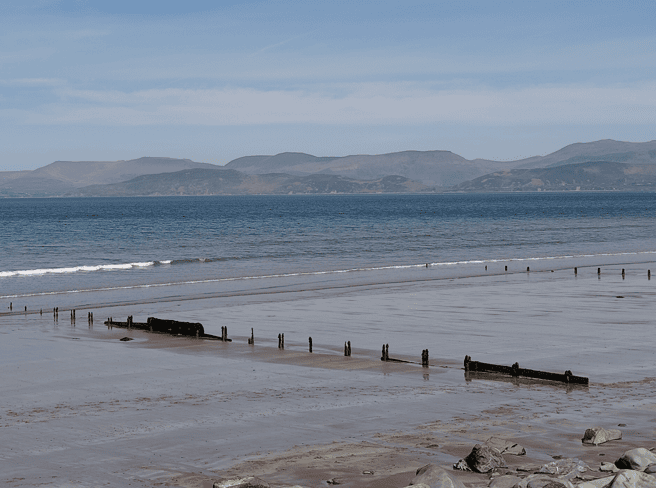
Continue towards Inch Beach.
The long sandy spit extends into Dingle Bay and offers a very different landscape from the rocky western coast around Slea Head.
Allow time for a walk.
You don’t need another attraction immediately afterwards.
Sometimes the best use of a third day is simply having enough time not to hurry.
Annascaul
If you want to continue farther east, Annascaul offers another connection with local history and is particularly associated with Antarctic explorer Tom Crean.
Alternatively, turn back towards Dingle and enjoy the final afternoon in town.
Day 3 at a Glance
- Option A: mountains, Conor Pass and northern peninsula
- Option B: Minard, Inch and eastern peninsula
- Best choice: whichever suits the weather and your interests
- Pace: deliberately slower than Day 1
What If It Rains?
Rain does not automatically ruin a visit to Dingle.
The bigger problem is often low cloud, particularly when the mountains and long-distance viewpoints disappear.
If Slea Head or Conor Pass is completely covered, rearrange the itinerary.
Useful wet-weather options include:
Dingle Oceanworld Aquarium
Dingle Oceanworld Aquarium is a particularly useful option for families and anyone interested in marine life.
The Blasket Centre
This is one of the strongest cultural alternatives when distant views and mountain roads are less rewarding.
Dingle Town
Use the time for cafés, food, shops and harbour walks between showers.
Dingle Distillery
This can provide a substantial indoor experience for adults if you have booked an appropriate visit.
Then move the outdoor day to whichever forecast looks better.
Kerry weather changes quickly.
A poor morning can become a very good afternoon.
How I Would Adapt This Itinerary for Families
Families do not need quite as many archaeological stops.
On the Slea Head day, I would probably choose:
- a beach
- one historical site
- Dún Chaoin
- a good viewpoint
- plenty of stopping time
Keep Oceanworld available as a useful backup, particularly during poor weather.
Children often remember beaches, animals and unusual experiences more readily than the fifth ruined church of the day.
How I Would Adapt It for History Lovers
Do the opposite.
Make time for:
- Dún Beag
- the Fahan Beehive Huts
- Gallarus Oratory
- Kilmalkedar Church
- Riasc Monastic Settlement
The peninsula contains enough archaeology to occupy far more than three days, so select sites that help you understand different periods rather than simply visiting similar monuments repeatedly.
Visitors can use the wider guide to historical sites in Kerry to identify additional places that suit their interests.
How I Would Adapt It for Photographers
Keep the schedule loose.
Light matters more than the itinerary.
Slea Head can change dramatically depending on cloud, visibility and direction of light.
Early morning generally means quieter roads.
Evening can provide better light around parts of the coastline.
If the mountains are clear when you wake up, consider moving Conor Pass forward rather than assuming it can wait until Day 3.
The photograph rarely cares what your itinerary says.
Do You Need a Car?
A car makes a three-day independent itinerary considerably easier.
Dingle Town itself is straightforward to explore on foot, but the attractions around the wider peninsula are dispersed.
Without a car, you will need to combine options such as:
- local tours
- taxis
- organised experiences
- cycling, if appropriate for your fitness and road confidence
- available public transport
The guide to visiting Dingle without a car explains the practical options in more detail.
If you prefer not to drive Slea Head’s narrow roads, using a guided tour for one day can work particularly well.
You can then keep the remaining days independent.
What Should You Book in Advance?
Not everything needs advance booking.
The things I would think about first are:
Accommodation
Book ahead, particularly during busy periods.
Blasket Island Boat Trips
Sailings are seasonal and weather-dependent.
Popular Restaurants
Reserve a table if there is somewhere you particularly want to eat.
Dingle Distillery or Other Scheduled Experiences
Book ahead where timed admission applies.
Guided Tours
Reserve in advance if one of your three days depends on a particular tour.
For historical sites, viewpoints and beaches, flexibility is usually more valuable than creating an appointment every hour.
When Is the Best Time for Three Days in Dingle?
There is no single perfect month.
Spring can offer a good balance of increasing daylight and fewer visitors.
Summer provides the longest days and widest choice of seasonal services, but it is also the busiest period.
Autumn can be quieter and very rewarding, although daylight decreases.
Winter offers a much quieter version of the peninsula, but some visitor attractions, boat services and other seasonal businesses may not operate.
Whatever the month, weather matters.
Three clear days in April can provide a better sightseeing experience than three foggy days in July.
The guide to the best time to visit Dingle compares the seasons and months in greater detail.
Is Three Days Too Long in Dingle?
No.
If anything, three days allows you to experience Dingle at a better pace.
Many visitors pass through the peninsula in a single day and see Slea Head before moving on.
That works if time is limited.
But with three days you begin to notice the connections between places.
The Blasket Islands make more sense after standing at Dún Chaoin.
Gallarus and Kilmalkedar make more sense when you realise how dense the early Christian landscape is.
Conor Pass makes more sense when you have already travelled both sides of the peninsula.
And Dingle itself becomes somewhere you experience rather than somewhere you simply return to at night.
Exploring the Peninsula with a Local Guide
A private tour can be particularly useful on the Slea Head day, when narrow roads, parking, local history and the number of possible stops can make independent planning more demanding.
Steve’s Peninsula Tours’ private full-day Dingle Peninsula tour can be adjusted around weather, walking ability and the interests of the group rather than following a fixed list of stops.
You can then use the remaining two days to explore Dingle Town, take a boat trip or visit the northern and eastern parts of the peninsula independently.
Frequently Asked Questions About Three Days in Dingle
Is three days enough for Dingle?
Yes. Three days gives first-time visitors enough time for Slea Head, Dingle Town, the Blasket story and another part of the peninsula without needing to rush constantly.
Should I stay in Dingle Town?
For this itinerary, yes. Staying in Dingle gives you easy access to restaurants, pubs and the harbour while keeping you well positioned for day trips around the peninsula.
Do I need a car for three days in Dingle?
A car gives you the greatest flexibility. Without one, use a combination of guided tours, taxis, organised experiences and available public transport.
Can I visit the Blasket Islands all year?
No. Boat services are seasonal and weather-dependent. Always check current sailing arrangements before planning an island day.
What should I do if the weather is bad?
Rearrange the days. Save Slea Head and Conor Pass for better visibility and use poorer-weather periods for Dingle Town, Oceanworld or the Blasket Centre.
Should I drive Slea Head and Conor Pass on the same day?
You can, but with three days available I would not recommend it. Giving them separate days creates a much more relaxed experience and allows you to explore beyond the road itself.
How long should I allow for Slea Head Drive?
Allow most of a day if you want to stop at viewpoints and historical sites, have lunch and explore rather than simply complete the loop.
Is Dingle good for families for three days?
Yes. Beaches, Oceanworld, Dingle Town, short scenic stops and selected heritage attractions make the itinerary easy to adapt for children.
Three Days in Dingle: My Final Advice
If I had three days on the Dingle Peninsula, I would protect the clearest day for Slea Head, keep the second flexible around Dingle and the Blaskets, and use the third to explore either Conor Pass and the northern peninsula or Minard and Inch.
I would not try to see everything.
Leave enough time for an unexpected stop, a longer lunch, changing weather or somewhere you simply decide you would like to stay for another half hour.
That is usually when the best parts of a visit happen.
Three relaxed days will show you far more of Dingle than three rushed ones.