Seeing the Dingle Peninsula from the sea reveals a very different side of West Kerry. Dingle Sea Safari is an independent boat experience departing from Dingle Town and travelling along the coast towards Slea Head and the Blasket Islands.
From the water, passengers can see cliffs, sea caves, rock formations and remote sections of coastline that cannot be appreciated in quite the same way from the road. Looking back from sea level also reveals the scale of the mountains and headlands rising above the Atlantic.
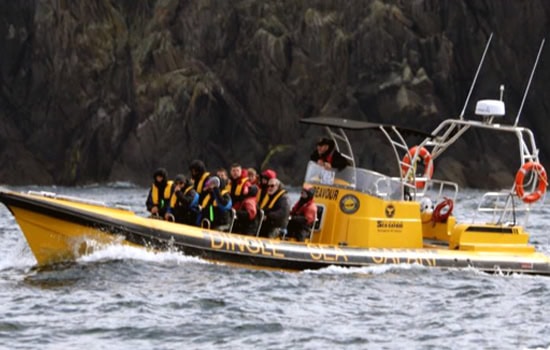
The journey takes place aboard an open rigid inflatable boat, commonly known as a RIB. This makes it a more active and exposed experience than a conventional sightseeing cruise. The route, speed and wildlife encounters are influenced by conditions on the day, making the trip particularly well suited to visitors looking for an adventurous way to experience the coastline.
What Is the Dingle Sea Safari?
Dingle Sea Safari operates from Dingle Pier using an open commercial RIB. The standard trip generally lasts approximately 2.5 to 3 hours and carries a relatively small group of passengers.
The journey travels from the shelter of Dingle Harbour into Dingle Bay before continuing along the western coastline towards Slea Head and the Blasket Islands. The precise route can vary according to wind, sea conditions, visibility and wildlife activity.
Depending on the day, passengers may encounter:
- Sea cliffs and coastal rock formations
- Caves and remote sections of coastline
- Slea Head from the Atlantic
- The Blasket Islands
- Grey seals
- Dolphins, porpoises or other marine mammals
- Gannets, fulmars, shearwaters and seasonal seabirds
Wildlife sightings are never guaranteed. The animals are moving through a living Atlantic environment, and their presence depends on the season, feeding conditions, weather and chance.
Leaving Dingle Harbour
The trip begins at Dingle Pier, close to the marina and waterfront. Dingle’s sheltered harbour provides relatively calm surroundings for boarding before the boat travels into the more open waters of Dingle Bay.
Leaving by boat helps explain why Dingle developed as a fishing and trading settlement. The harbour is protected by the shape of the bay, while the mountains and coastal headlands form a natural backdrop behind the town.
As the RIB moves away from the pier, the colourful buildings along the waterfront become smaller and the wider geography of the peninsula begins to take shape. Visitors interested in the town’s maritime character can continue exploring through the complete guide to Dingle Town.
Seeing Slea Head from the Atlantic
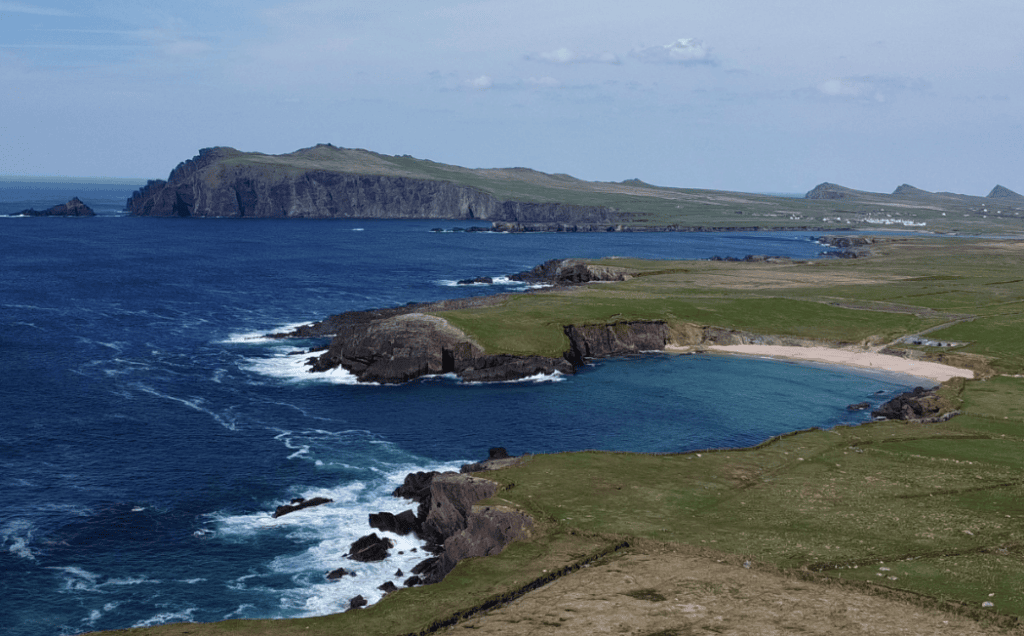
Most visitors experience the Slea Head Drive from the road, looking west across the Atlantic towards the Blasket Islands. A sea safari reverses that perspective.
From the water, you can look back towards the mountains, cliffs and headlands of the Dingle Peninsula. Places that appear distant or compressed from roadside viewpoints take on a different scale when seen from sea level.
The land rises sharply above the Atlantic in places, revealing caves, rock formations and inaccessible sections of shoreline hidden from the road. The boat’s position also provides a clearer sense of how the different headlands overlap along the western coast.
On land, places such as Coumeenoole Beach and Dunquin Pier are experienced from above. From offshore, they become smaller elements within a much larger coastal landscape.
For visitors spending several days in Dingle, exploring the coastline from both land and sea provides two genuinely different perspectives rather than repeating the same experience.
The Blasket Islands from the Water
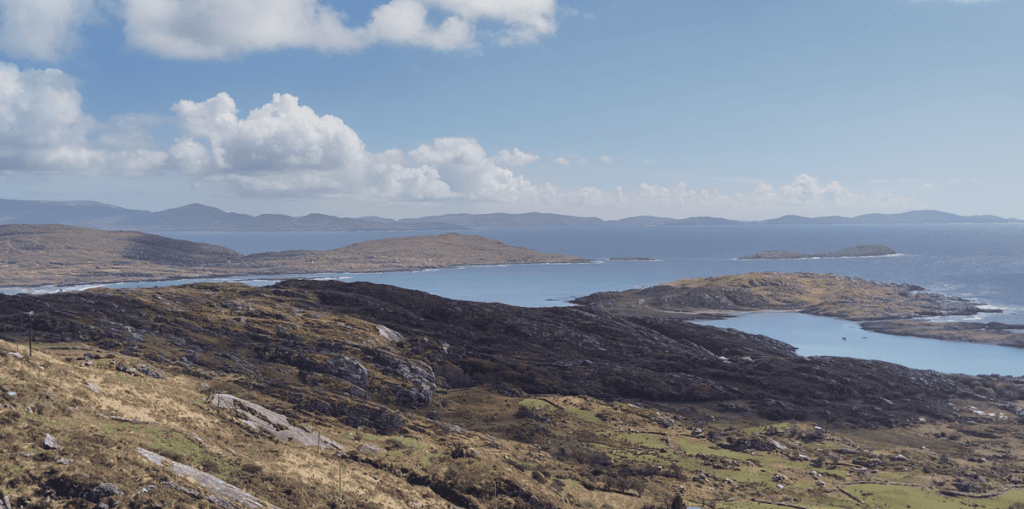
The Blasket Islands lie beyond the western tip of the Dingle Peninsula and form one of the most recognisable island groups along Ireland’s Atlantic coast. The archipelago contains six principal islands along with smaller rocks and islets.
Great Blasket Island, known in Irish as An Blascaod Mór, was home to an Irish-speaking community until its evacuation in 1953. The islanders’ books and oral traditions created an extraordinary record of life in a small Atlantic community.
The sea safari allows visitors to experience the islands from the surrounding water while learning about their geography, wildlife and cultural history. Depending on the route and conditions, passengers may see Great Blasket and some of the smaller islands from different angles.
The journey across these waters also helps visitors appreciate the isolation experienced by the island community. Travel between the islands and mainland depended on traditional boats, local knowledge and suitable sea conditions.
The wider guide to the history and culture of the Blasket Islands provides valuable background before taking a boat trip.
Sea Safari or Great Blasket Island Ferry?
A Dingle Sea Safari and a ferry landing on Great Blasket Island are different experiences. Understanding that distinction before booking will help you choose the trip that matches your priorities.
Choose the Dingle Sea Safari if you want:
- A fast, open-RIB experience
- Coastal exploration from sea level
- Views of cliffs, caves and rock formations
- Wildlife-watching opportunities
- To see the Blasket Islands from the surrounding water
- A more adventure-focused boat trip
Choose a Great Blasket Island ferry if you want:
- To land on Great Blasket Island
- To walk through the abandoned village
- To explore the island on foot
- To spend several hours ashore
- To concentrate on the island’s settlement history and landscape
If time and weather allow, the experiences can complement one another. The sea safari focuses on the coastline and waters surrounding the islands, while an island ferry provides time on Great Blasket itself.
The guide to visiting the Blasket Islands explains the different ways visitors can experience this part of West Kerry.
Wildlife You May Encounter
The waters around the Dingle Peninsula and Blasket Islands support a rich variety of marine life. What you see will depend on the season, sea conditions, food availability and simple good fortune.
Grey Seals
Grey seals are closely associated with the Blasket Islands. They may be seen resting on rocks, swimming near the shoreline or moving through the surrounding water.
Boats should maintain an appropriate distance and avoid disturbing animals resting or caring for young. A longer camera lens is more useful than attempting to approach too closely.
Dolphins and Porpoises
Several dolphin species occur around Ireland’s Atlantic coastline, and harbour porpoises are also found in Irish waters. Encounters are possible during trips from Dingle, but neither dolphins nor porpoises should be expected on every departure.
Wildlife sightings can be brief, so listen to the crew’s instructions and remain aware of movement on both sides of the boat.
Whales
Whales occasionally pass through the waters around the peninsula. These sightings are less predictable and should be regarded as a fortunate encounter rather than a standard part of the trip.
Seabirds
The cliffs, offshore islands and surrounding waters support numerous seabirds. Depending on the season, passengers may see gannets, fulmars, shearwaters, guillemots, razorbills and other species adapted to Atlantic conditions.
Puffins
Puffins are seasonal breeding visitors and are not present throughout the year. Their appearance depends on the season and the route the boat can safely take on the day.
The unpredictability is an essential part of genuine wildlife watching. This is a journey through a natural marine environment rather than an attraction where animals appear on demand.
What Is Travelling on a RIB Like?
A RIB, or rigid inflatable boat, provides a very different experience from a large enclosed sightseeing vessel. It is open to the elements, sits relatively close to the water and can travel quickly between different parts of the coastline.
Passengers should expect:
- Atlantic wind
- Sea spray
- Noticeable boat movement
- Changes in speed
- Exposure to changing weather
- A more physical ride than a conventional cruise
For many visitors, this is exactly what makes the trip enjoyable. The open boat creates a strong connection with the sea and provides unobstructed views of the coastline.
It will not suit everyone. Anyone looking for a gentle, sheltered cruise should compare the available boat experiences before booking. People with injuries, mobility concerns, pregnancy-related considerations or medical conditions that may be affected by boat movement should discuss suitability directly with the operator.
Is the Dingle Sea Safari Right for You?
The experience is particularly well suited to:
- Wildlife enthusiasts
- Photographers who can protect their equipment
- Adventure-oriented travellers
- Couples and small groups
- Families meeting the operator’s passenger requirements
- Visitors interested in the Blasket Islands
- Anyone wanting to experience Slea Head from the sea
It may be less suitable for visitors who are uncomfortable on fast-moving boats, particularly sensitive to sea motion or looking for a sheltered sightseeing experience.
The operator currently lists a minimum passenger height of 132 centimetres, while particular tours may also have age requirements. These conditions can change, so confirm the current rules directly before booking rather than relying on older information.
What to Wear and Bring
Even when the weather feels warm in Dingle Town, conditions on the Atlantic can be considerably cooler. The movement of the boat increases the effect of the wind, and sea spray can reach passengers even when it is not raining.
Wear layers and follow the operator’s instructions about clothing. Useful items can include:
- Warm clothing
- A waterproof outer layer
- A hat and gloves when conditions require them
- Secure, practical footwear
- Sun protection
- A protected camera or phone
- Any personal items required during the trip
Loose belongings should be secured before departure. Sunglasses, hats and phones can be lost easily when a boat accelerates or changes direction.
If you are susceptible to seasickness, consider the forecast and sea conditions carefully. Speak with an appropriate healthcare professional if you require advice about medication.
Photography from the Boat
The open RIB provides excellent views, but photography can be challenging. The boat moves continuously, sea spray can reach equipment and wildlife may appear with little warning.
Use a wrist or neck strap and keep cameras protected when travelling at speed. A lens with some reach is helpful for wildlife, while a wider lens can capture the scale of the cliffs and islands.
Do not concentrate so heavily on the camera that you lose awareness of movement around the boat. When the sea becomes uneven, securing yourself and following crew instructions must take priority over taking photographs.
Weather and Sea Conditions
Atlantic weather influences every Dingle Sea Safari. Wind direction, visibility, swell and sea state can affect:
- Whether a departure operates
- The route followed
- The speed of the journey
- Passenger comfort
- Wildlife-watching opportunities
- How closely particular parts of the coastline can be approached
A calm morning around Dingle Harbour does not guarantee identical conditions farther west around Slea Head and the Blasket Islands. Headlands can be exposed to different wind and swell conditions from those experienced inside the harbour.
Routes and departure times may therefore change when conditions require it. This flexibility is an important part of operating safely at sea rather than an inconvenience.
If your visit is strongly focused on a boat trip, allow some flexibility in your itinerary. Having an additional day in Dingle gives you more options if weather affects the original departure.
When Is the Best Time to Go?
Dingle Sea Safari operates seasonally. Spring and summer normally provide longer daylight hours and coincide with increased visitor activity, although suitable boating conditions depend more on the weather than on the calendar.
Earlier departures can sometimes provide softer photographic light, but there is no departure time that guarantees calmer seas or better wildlife. Conditions and animal activity can change from one day to the next.
Puffins and some other seabirds are seasonal, while dolphins, porpoises and seals follow their own movements and feeding opportunities. Choose a trip because you want to experience the coastline, treating wildlife encounters as an additional benefit.
The guide to the best time to visit Dingle provides a broader comparison of seasonal conditions around the peninsula.
Combining the Sea Safari with Slea Head Drive
One of the best ways to understand the western Dingle Peninsula is to experience it from both land and sea. A journey around Slea Head introduces the archaeological sites, beaches, Gaeltacht communities and elevated Atlantic viewpoints found along the coast.
Important land-based stops include:
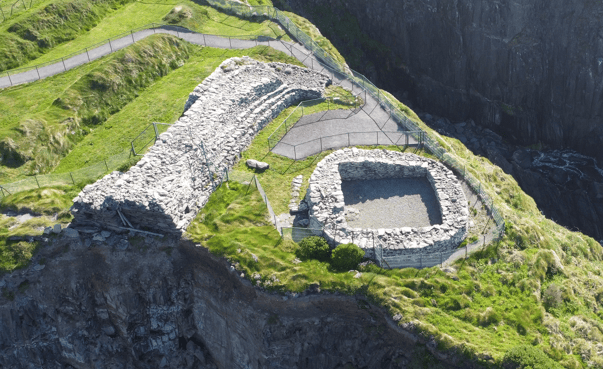
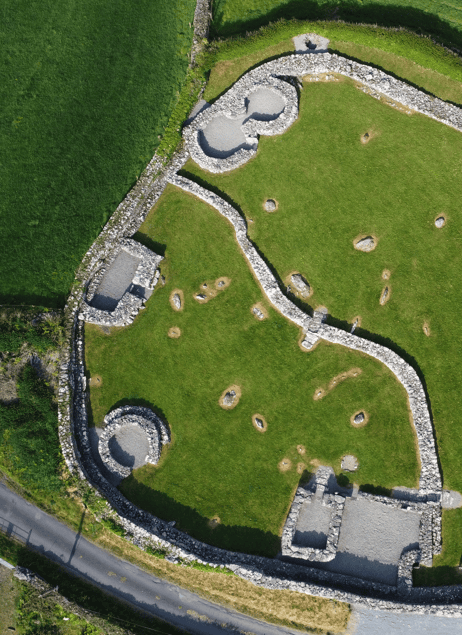
- Dún Beag Promontory Fort
- Fahan Beehive Huts
- Coumeenoole Beach
- Dunmore Head
- Dunquin and the Blasket viewpoints
- Gallarus Oratory
- The wider Corca Dhuibhne Gaeltacht
The sea safari then shows how these headlands, mountains and settlements relate to the Atlantic. Rather than repeating the same journey, the two experiences reveal different layers of the peninsula.
If fitting both into one day, allow enough time between the activities. Boat departures require punctual arrival, while the narrow coastal road can take longer than expected during busy periods. My Slea Head Drive route guide can help you plan the land-based portion realistically.
Understanding the Blasket Story on Land
A boat trip reveals the physical setting of the islands, but the human story becomes clearer when combined with a visit to the Blasket Centre in Dunquin.
The centre explains the islanders’ lives, language, literature and eventual evacuation. Its position overlooking Great Blasket also allows visitors to connect the exhibits with the actual landscape described by the island writers.
Combining the centre with a sea safari works particularly well because each experience answers different questions. The exhibition concentrates on the community and its cultural legacy, while the boat journey reveals the sea, distance and geography that shaped daily island life.
Practical Visitor Information
Dingle Sea Safari departs from the Dingle Pier area and operates seasonally, subject to suitable weather and sea conditions. The standard tour generally lasts approximately 2.5 to 3 hours and uses an open commercial RIB carrying a limited number of passengers.
Allow additional time before departure for parking, checking in, receiving equipment and listening to the safety briefing. Dingle can become busy during the summer, so do not plan to arrive in town at the exact scheduled departure time.
Prices, departure times, group sizes, private-hire options and passenger requirements may change. Check the official Dingle Sea Safari website for current details and booking arrangements.
My Local Tip
If you are particularly interested in Slea Head, try to see it from both directions. Standing above the Atlantic provides the wide panorama for which the route is known, while travelling offshore reveals the cliffs, mountains and coastal formations hidden beneath those viewpoints.
It is one of those occasions where seeing the same landscape twice does not feel repetitive. The road explains how people lived along the coast; the boat explains how dramatically that coast meets the Atlantic.
If weather affects the sea safari, keep a land-based alternative ready. A private Slea Head Drive tour can still provide a detailed understanding of the coastline, archaeology and Blasket story without relying on suitable boating conditions.
Continue Exploring the Dingle Peninsula
Dingle Sea Safari is one of several ways to experience the coastline surrounding Dingle. From the harbour, the Atlantic leads towards Slea Head, Dunmore Head, Coumeenoole and the Blasket Islands, while inland the peninsula preserves thousands of years of archaeology and a living Gaeltacht culture.
Continue with the guides to Slea Head Drive, the Blasket Islands, Dingle Town and things to do in Dingle. Visitors staying longer can use the three-day Dingle Peninsula itinerary to combine the sea safari with coastal drives, historical sites, beaches and time in the town.
The wider history of the Dingle Peninsula also provides deeper context for the communities, monuments and maritime traditions encountered along the journey.
Frequently Asked Questions About Dingle Sea Safari
How long does the Dingle Sea Safari take?
The standard sea safari generally lasts approximately 2.5 to 3 hours. Confirm the current trip duration and check-in time directly with the operator.
Does the Dingle Sea Safari land on Great Blasket Island?
The sea safari focuses on exploring the coastline and waters around the Blasket Islands. Visitors specifically wanting to land and walk on Great Blasket should book an appropriate island ferry service.
Will I see dolphins?
Dolphins, porpoises and other marine wildlife occur in the surrounding waters, but sightings depend on natural conditions and cannot be guaranteed.
Is the boat enclosed?
No. The sea safari uses an open RIB, so passengers are exposed to wind, spray, boat movement and changing weather.
Is Dingle Sea Safari suitable for children?
The operator currently lists a minimum height requirement of 132 centimetres, and particular tours may also have age restrictions. Families should confirm the current passenger requirements before booking.
What should I wear?
Wear warm layers and practical footwear. Follow the operator’s current guidance regarding waterproof clothing, hats, gloves and any equipment provided for the trip.
What happens if the weather is poor?
Wind, swell and visibility can affect departures and routes. The operator makes decisions according to conditions on the day, and trips may be altered, postponed or cancelled when necessary.