As spring turns towards summer, Dingle comes alive for Féile na Bealtaine, an annual arts and cultural festival held around the May bank holiday weekend. For several days, music, literature, visual art, theatre, talks, workshops and community events spread throughout Dingle Town, creating one of the most distinctive weekends in the town’s cultural calendar.
Rather than taking place within a single festival site, Féile na Bealtaine uses Dingle itself as its stage. Streets, pubs, galleries and venues become part of the experience, bringing visitors and the local community together through an ever-changing programme of events.
What Is Féile na Bealtaine?
Féile na Bealtaine is a multi-day arts festival celebrating creativity, culture and community in Dingle.
Its programme changes each year, bringing together local performers and artists with guests from elsewhere in Ireland and beyond. Depending on the year’s programme, visitors may encounter:
- Live music
- Traditional Irish music
- Visual art
- Theatre and performance
- Poetry and literature
- Talks and discussions
- Film
- Workshops
- Children’s activities
- Street entertainment
- Community events
Some events are intimate, while others bring larger audiences together. That variety is one of the pleasures of spending the weekend in Dingle: you can build your visit around a few carefully chosen performances while allowing time to enjoy the town between events.
What Does Bealtaine Mean?
Bealtaine is traditionally associated with the beginning of summer in the old Irish seasonal calendar and falls at the beginning of May.
Féile na Bealtaine takes its name from this important point in the year, but visitors should distinguish between the traditions historically associated with Bealtaine and the programme of the modern arts festival.
Today, the festival celebrates the season through contemporary arts, culture and community. It takes place in a part of Ireland where the Irish language, music and storytelling remain important parts of everyday life. Anyone interested in how this wider cultural landscape developed can explore the history of the Dingle Peninsula before visiting.
A Festival Throughout Dingle Town
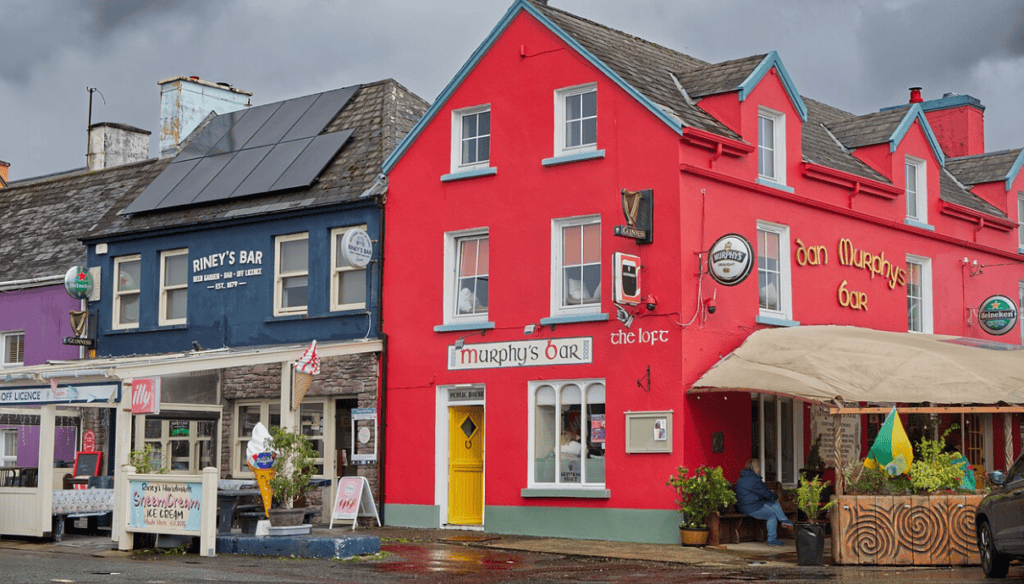
One of the things that makes Féile na Bealtaine particularly enjoyable is the way it becomes part of Dingle itself.
Instead of travelling to a separate festival ground, you can spend the day walking around town and encounter different events along the way. Performances, exhibitions and gatherings take place across a variety of venues, giving the festival a very different atmosphere from a large conventional music festival.
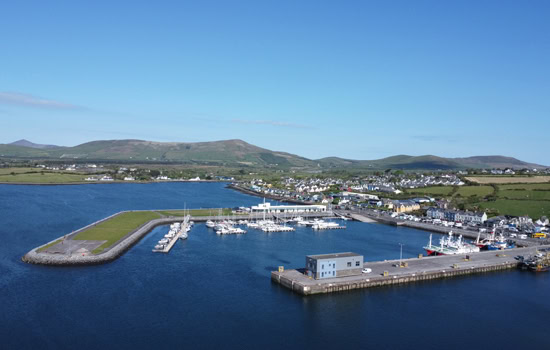
It also means visitors can combine events with exploring Dingle Town, stopping for coffee or lunch, browsing independent shops and enjoying the harbour between performances. The guide to things to do in Dingle can help you fill the spaces between the festival events you most want to attend.
Music During Féile na Bealtaine
Music is an important part of Dingle’s cultural identity throughout the year, and it naturally plays a significant role during Féile na Bealtaine.
The programme can include traditional Irish music alongside contemporary performers and other musical styles. Dingle’s smaller venues are particularly well suited to intimate performances, while music and entertainment can also spill out into the wider town during the festival.
The programme changes annually, so visitors should check the current schedule rather than travelling specifically for an artist or performance based on information from a previous year.
The music does not necessarily finish when a scheduled festival event ends. Dingle has a strong year-round pub music culture, and the guide to the best pubs in Dingle for live music provides a useful starting point when planning an evening in town.
Art, Literature and Performance
Féile na Bealtaine extends well beyond music.
Visual artists, writers, poets, performers and speakers all contribute to the festival, with exhibitions, readings, conversations, performances and workshops forming part of the programme.
This broader approach is one of the reasons the festival appeals to such a wide audience. You do not need to arrive with a detailed knowledge of art or literature. It is perfectly possible to choose a few events that interest you and spend the rest of your visit enjoying Dingle.
The festival also feels appropriate to its setting. The Dingle Peninsula has produced a remarkable cultural legacy shaped by the Irish language, oral tradition, music and the literature of the Blasket Islands. Visitors interested in that connection can learn more about the history and culture of the Blasket Islands or visit the Blasket Centre in Dunquin during a longer stay.
The Parade and Community Events
Community participation is an important part of the festival atmosphere.
The festival’s outdoor events and parade bring activity onto the streets, with local groups, schools, performers and artists contributing to the celebrations.
For visitors, these events provide an opportunity to experience Féile na Bealtaine beyond ticketed performances and see how closely the festival is connected with the local community.
As the programme varies from year to year, check the current festival schedule for confirmed parade details, routes and times. Road access and parking arrangements may also be temporarily affected while outdoor events are taking place.
Is Féile na Bealtaine Good for Families?
Féile na Bealtaine can be an excellent time for families to visit Dingle.
The programme traditionally includes activities aimed at younger visitors alongside performances and community events suitable for different ages.
However, not every festival event is designed for children. If you are travelling as a family, check the current programme for age recommendations, ticket requirements and family-specific activities before deciding which events to attend.
If you need an additional indoor activity during the weekend, particularly in wet weather, Dingle Oceanworld Aquarium is within walking distance of the town centre and is a useful option for families.
Planning Your Visit to Féile na Bealtaine
Féile na Bealtaine is normally associated with the May bank holiday weekend, but exact dates and the programme should always be confirmed with the festival organisers.
If you are planning a trip specifically for the festival, there are several practical considerations worth thinking about in advance.
Book Accommodation Early
Dingle is a popular destination throughout the year, and a major festival brings additional visitors into town.
If you know you want to attend Féile na Bealtaine, do not leave accommodation until the last minute. Booking early will usually give you a better choice of hotels, guesthouses, B&Bs and self-catering accommodation within walking distance of the main festival venues.
Staying near the centre is particularly convenient because you can move between venues on foot without repeatedly looking for parking.
Check Which Events Need Tickets
Not every event works in the same way. Some festival activities may be free, while others require tickets.
Popular performances can attract considerable interest, so check the official programme once it is released and book priority events in advance where necessary. Pay close attention to the venue as well as the starting time, as events are distributed throughout the town.
Plan Restaurants in Advance
Dingle has an excellent food scene, but restaurants can become busy during major weekends.
If there is somewhere you particularly want to eat, consider reserving a table rather than relying on availability when you arrive. The Dingle food and drink guide provides an introduction to local dishes, independent producers and the town’s wider food culture.
For informal daytime stops, you can also explore local businesses such as Bean in Dingle and The Little Cheese Shop.
Getting Around Dingle
Dingle Town is compact and much of the centre can easily be explored on foot.
This is particularly useful during the festival because you can move between events while enjoying the streets, shops, cafés and harbour along the way.
Parking can become busier during major events. Once you have found a suitable legal parking place, walking around town is often the easiest option. Allow extra time when travelling to a ticketed performance, especially if you are unfamiliar with the venue.
Prepare for Changing Weather
The May bank holiday can bring anything from warm sunshine to Atlantic showers, sometimes within the same afternoon.
Bring a light waterproof layer and footwear suitable for walking between venues. Outdoor events may be affected by weather, while indoor performances can provide useful alternatives when conditions are less settled.
What Else Can You Do During the Festival Weekend?
One of the advantages of attending Féile na Bealtaine is that you do not have to spend every hour at festival events.
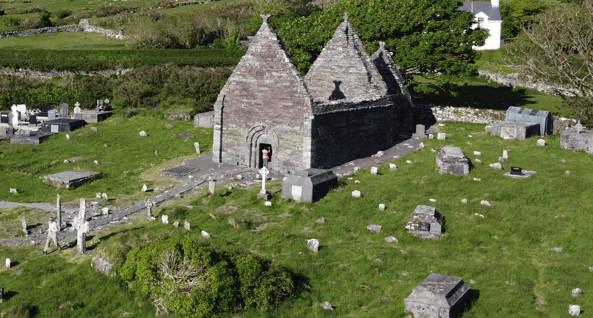
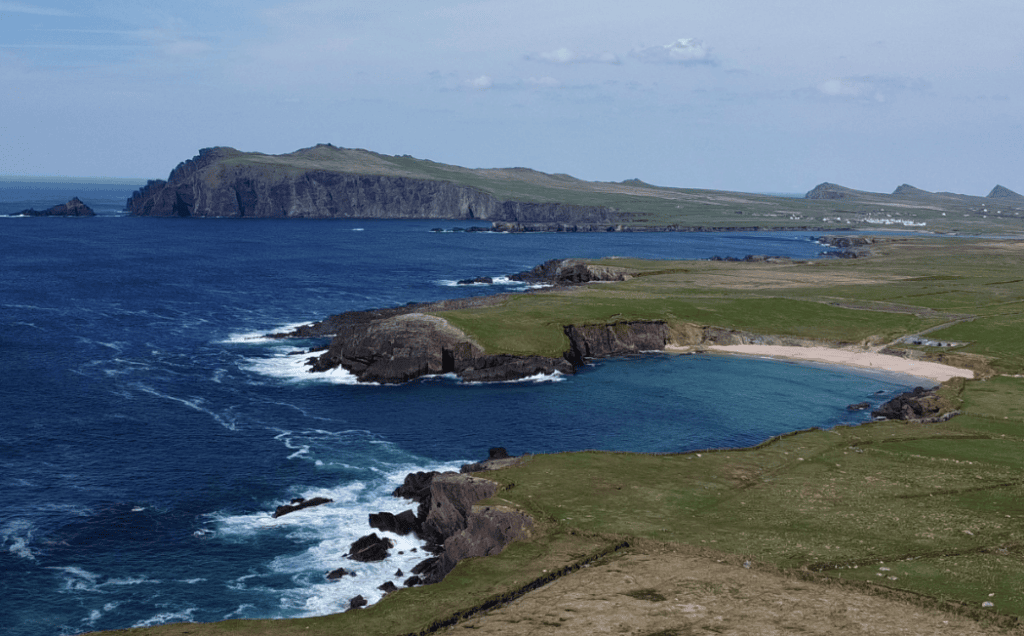
If you have a free morning or afternoon, the wider Dingle Peninsula begins just beyond the town. Slea Head Drive is the obvious scenic journey, taking you around the western end of the peninsula through Atlantic coastal landscapes, historic sites and Irish-speaking communities.
Along the established clockwise route, you can discover places such as:
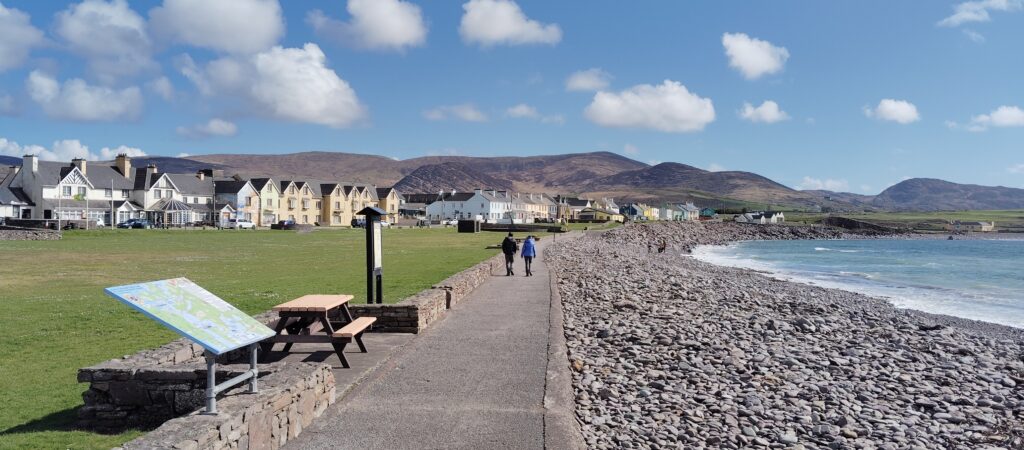
- Ventry Beach
- Dún Beag Promontory Fort
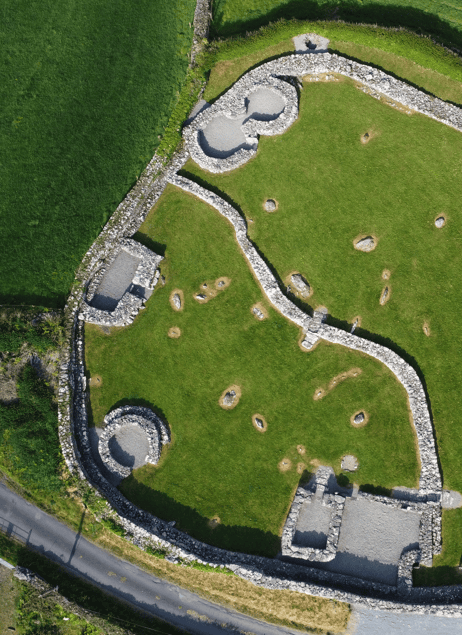
- the ancient Beehive Huts
- Coumeenoole Beach
- Dunquin Pier and the surrounding Blasket viewpoints
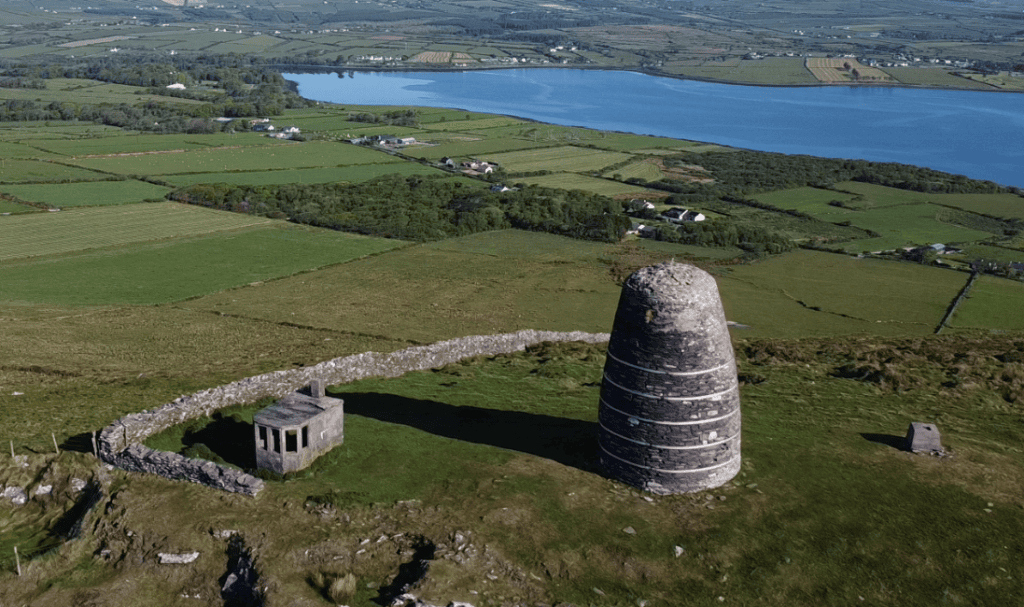
- Gallarus Oratory
Do not attempt the entire route if you only have a short gap between ticketed events. A complete Slea Head circuit with worthwhile stops deserves several hours, while a shorter outing to Ventry or another nearby location may fit more comfortably into a limited festival schedule.
If you would prefer to explore independently while hearing the stories behind the landscape, the GPS-triggered Slea Head Drive audio tour provides commentary through your phone as you travel around the route in your own vehicle.
My Local Tip
Do not try to schedule every hour of your festival weekend.
Choose the performances, exhibitions or talks you particularly want to see, but leave some space in your itinerary. Part of the enjoyment of Féile na Bealtaine is simply being in Dingle while it is happening: walking through town, discovering something you had not planned to see, stopping for food and allowing the atmosphere of the weekend to become part of the experience.
If the weather is good, keep a few hours free to explore the peninsula. If the weather changes, use the opportunity to attend an additional indoor performance, visit a gallery or spend more time enjoying the town.
Frequently Asked Questions About Féile na Bealtaine
When is Féile na Bealtaine?
Féile na Bealtaine normally takes place around the May bank holiday weekend in Dingle. Exact dates vary, so always check the current festival programme before arranging your trip.
Where does Féile na Bealtaine take place?
Events are held at different locations throughout Dingle rather than at one dedicated festival site. The official programme provides the venue information for each event.
Do I need tickets for Féile na Bealtaine?
It depends on the event. Some activities may be free, while others require tickets. Popular performances can sell out, so check the programme and book important events in advance.
Is Féile na Bealtaine suitable for children?
The festival traditionally includes family and children’s activities, although individual events may have their own age recommendations. Check the current programme when planning a family visit.
Can I walk between the festival venues?
Many venues in central Dingle are within comfortable walking distance of one another. Check the location of each event in advance and allow additional time if a venue is outside the immediate town centre.
How long should I stay in Dingle?
If you are travelling specifically for Féile na Bealtaine, two or three nights gives you more opportunity to experience the festival while also exploring Dingle Town and the surrounding peninsula. The three-day Dingle Peninsula itinerary can help you organise a longer visit.
Where can I find the current programme?
Dates, tickets, performers, venues and programme information change every year. Use the official Féile na Bealtaine website for the current programme and booking information.
Continue Exploring Dingle
Féile na Bealtaine is a wonderful opportunity to experience Dingle when the town’s artistic and cultural life is particularly visible, but there is much more to discover beyond the festival programme.
Continue planning your stay with the guide to spending one day in Dingle or explore how the town and peninsula fit into Dingle’s place on the Wild Atlantic Way.
Together, the festival, surrounding landscape, independent food businesses, historic sites and living cultural traditions make Dingle worth spending several days exploring.