Ardfert Cathedral stands in the village of Ardfert, about 10 kilometres north-west of Tralee, on ground associated with Christian worship for almost 1,500 years. What visitors encounter today is not one complete medieval church but an atmospheric group of roofless buildings, architectural fragments and grave markers gathered around the remains of a substantial cathedral.
The site is closely connected with St Brendan the Navigator, one of the best-known figures in early Irish Christianity. Brendan is traditionally believed to have been born in this part of Kerry during the sixth century and to have established a religious community at Ardfert before the legendary voyage for which he later became famous.
The surviving stone buildings are considerably later than Brendan’s time. They reveal how an early monastic foundation developed into an important medieval ecclesiastical centre, shaped by changing architectural styles, church organisation and the influence of the Anglo-Norman world. For anyone interested in medieval buildings, early Christianity or the development of religious life in Kerry, Ardfert Cathedral is one of the county’s most rewarding historical sites.
Where Is Ardfert Cathedral?
Ardfert Cathedral is located in the village of Ardfert in north County Kerry. The official approach is from Tralee along the R551 towards Ballyheigue, with the cathedral situated approximately 10 kilometres from the town.
This is a different landscape from the mountains and narrow coastal roads of the Dingle Peninsula. Ardfert lies within a broad area of fertile farmland between Tralee and the north Kerry coast. The land is relatively open, and the setting helps explain why an important religious settlement could develop here with connections to surrounding communities and travel routes.
Ardfert works particularly well as part of a north Kerry journey. Visitors can combine it with the coastline around Ballyheigue and Ballybunion, or continue towards Listowel to explore another side of Kerry’s history and culture.
St Brendan and the Early Monastic Settlement
Ardfert’s religious importance began long before the present cathedral was built. St Brendan the Navigator is associated with the establishment of a monastery here during the sixth century, when Ireland’s early monasteries served as places of worship, education, hospitality and community organisation.
Brendan’s reputation later became inseparable from the Navigatio Sancti Brendani, a medieval account describing an extraordinary sea journey in search of the Island of the Blessed. The story combines Christian teaching, maritime imagination and elements of much older Irish storytelling. It should not be read as a straightforward record of a voyage, but it became one of medieval Europe’s most widely known tales.
The Brendan remembered at Ardfert was not simply a legendary sailor. He was an influential churchman connected with several religious foundations. His association with the site gave Ardfert lasting spiritual importance, even though the timber buildings and modest early structures of his period have not survived in the form visitors see today.
For travellers exploring Brendan’s wider Kerry story, the connection continues westwards towards Mount Brandon and Brandon Creek. Local tradition identifies the creek as the departure point for his famous voyage. Together, Ardfert and Brandon Creek demonstrate how the saint’s story is embedded in both Kerry’s religious landscape and its Atlantic geography.
From Monastery to Medieval Cathedral
Ardfert eventually became the centre of a medieval diocese. The principal cathedral was begun during the twelfth century, a period of major change in the Irish Church. Older monastic arrangements were gradually giving way to a diocesan structure centred on bishops, cathedrals and defined territories.
The building continued to develop over several centuries. Its surviving masonry is therefore not the work of a single moment. Different windows, doorways and structural features reflect changing architectural ideas and the resources available to the religious community responsible for the site.
This layered development is one of the cathedral’s greatest strengths. Rather than presenting a perfectly preserved medieval building, Ardfert allows visitors to study the remains of a church that was adapted as worship, authority and architectural taste changed.
The cathedral suffered during periods of conflict and political upheaval, particularly during the later medieval and early modern centuries. Parts of the complex continued to have religious uses after the Reformation, but the main cathedral eventually fell into ruin. The graveyard surrounding the buildings remained an important place of burial, preserving the site’s connection with the local community.
What Will You See at Ardfert Cathedral?
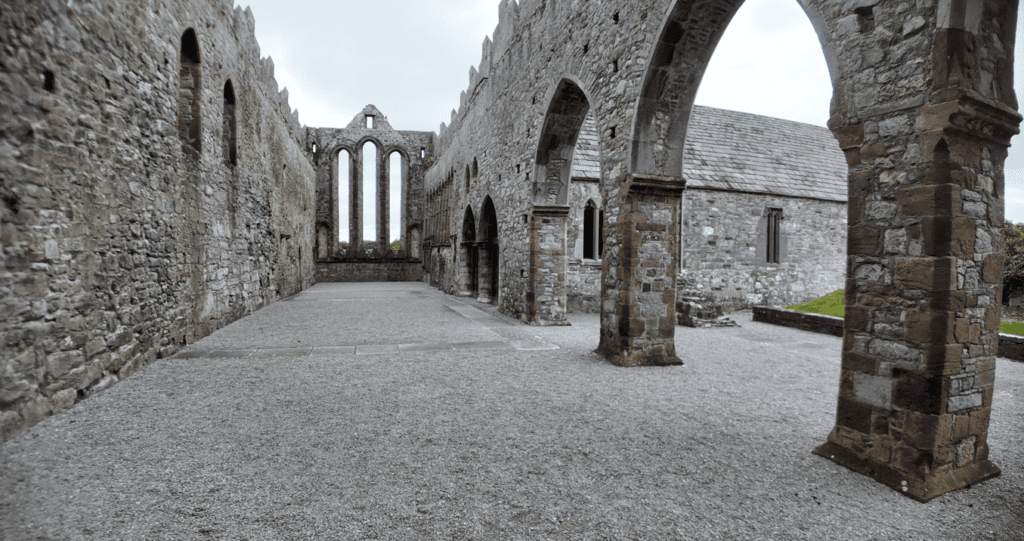
The cathedral is the largest building within the enclosure. Its roof is gone, but the surviving walls still communicate the scale and importance of the medieval church. The open sky now forms part of the experience, changing the appearance of the stone as light and weather move across the site.
One of the principal architectural features is the row of nine narrow lancet windows in the south wall. These tall, pointed openings create a strong rhythm along the masonry and are among the clearest indications of the ambition behind the building.
The thirteenth-century east window is another important feature. Visitors who take time to examine the stonework can see that this was not an isolated rural chapel. It was a cathedral constructed for an ecclesiastical centre of considerable regional standing.
Whenever I visit a roofless medieval church, I find it helps to pause inside the walls rather than walking immediately around the perimeter. From the interior, the proportions become easier to understand. You can begin to picture the division of the church, the height of the roof and the effect the windows would have created when the building was in use.
The Two Smaller Medieval Churches
Ardfert’s importance is not represented by the cathedral alone. Two smaller churches survive within the complex, giving visitors an unusually concentrated view of medieval ecclesiastical architecture.
Temple Na Hoe
Temple Na Hoe is a fine example of late Romanesque architecture. Romanesque churches are generally recognised by their substantial masonry, rounded arches and carved architectural details. At Ardfert, these features help visitors distinguish an earlier architectural language from the pointed Gothic forms visible elsewhere in the complex.
The relationship between Temple Na Hoe and the cathedral is particularly useful. By looking at the buildings together, visitors can see that medieval architecture did not follow one fixed design. Styles changed, buildings were added and religious sites evolved over generations.
Temple Na Griffin
The second smaller church is known as Temple Na Griffin. Its name refers to a distinctive medieval carving showing a griffin and dragon joined together. A griffin combines the features of a lion and an eagle, while the dragon carried a variety of symbolic meanings in medieval art.
The carving is a reminder that church decoration was not limited to crosses and images of saints. Medieval craftsmen drew on animals, hybrid creatures and symbolic forms that would have been familiar within the artistic culture of their time.
Visitors often concentrate on the largest structure and overlook details such as this. At Ardfert, it is worth examining doorways, window surrounds, carved stones and changes in the masonry. These smaller elements frequently reveal more about a building’s development than its overall silhouette does.
Understanding Ardfert Within Kerry’s Religious Heritage
Ardfert Cathedral belongs to a much wider network of Christian sites found throughout County Kerry. Its cathedral scale distinguishes it from smaller churches and oratories, but comparing these places helps explain how religious architecture changed over time.
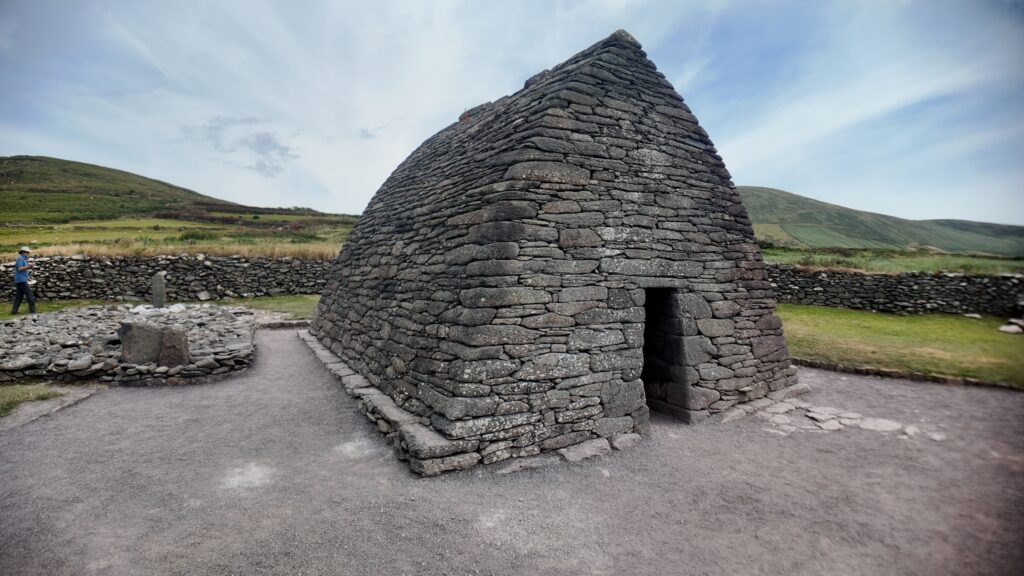
On the Dingle Peninsula, Gallarus Oratory represents a compact and very different form of stone church. Nearby, Kilmalkedar Church combines Romanesque architecture with a landscape of earlier Christian monuments, while Riasc Monastic Settlement helps visitors understand the smaller enclosed communities associated with the early Irish Church.
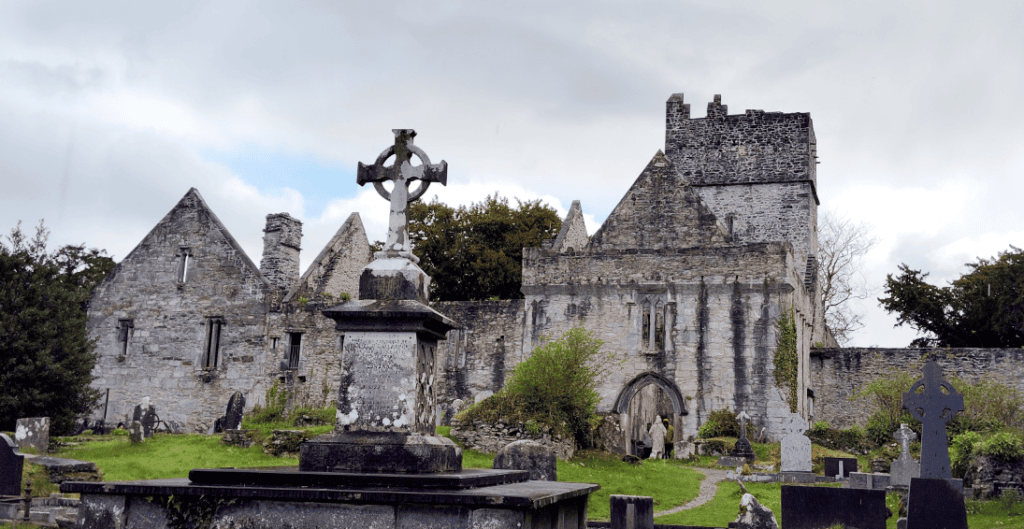
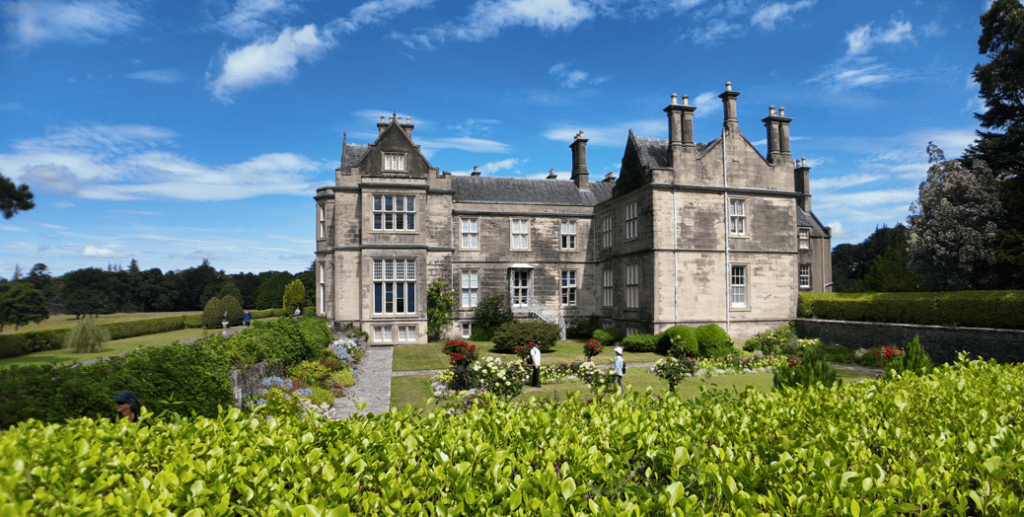
Further south, the remains of Muckross Abbey show the later medieval Franciscan tradition in a very different setting. Together, these sites demonstrate that Kerry’s Christian heritage is not represented by one type of building or one historical period.
Ardfert is especially valuable because it connects the early traditions surrounding St Brendan with the organised diocesan Church of the Middle Ages. Visitors interested in this wider story can explore additional churches, forts, castles and archaeological landscapes through the guide to historical sites in Kerry.
Visiting Ardfert Cathedral Today
Ardfert is managed as a Heritage Ireland site. The visitor experience centres on the cathedral ruins, the two smaller churches, the graveyard and an exhibition that provides additional historical context.
The site is generally seasonal rather than open throughout the entire year. Opening dates, admission charges and daily access arrangements can change, so it is best to check the official Ardfert Cathedral visitor information before making a special journey.
Guided tours may be available through the site, and these can be particularly useful for visitors who want help identifying different architectural periods. Even without a formal tour, the complex rewards a slow visit. Allow yourself time to move between the buildings and look back at the cathedral from several angles.
Parking, Walking and Accessibility
The cathedral is reached directly from Ardfert village, so it does not involve the lengthy approach or exposed hillside walking required at some Kerry monuments. However, this remains a historic ruin and graveyard rather than a modern level-surfaced attraction.
Heritage Ireland identifies uneven walkways as a restriction. Visitors should expect old ground surfaces, grass and irregular sections around the buildings. Supportive footwear is sensible, particularly after rain, when parts of the site may be wet or slippery.
People with reduced mobility should contact the site in advance if they need precise information about current access. The amount that can be comfortably explored will depend on individual mobility and ground conditions on the day.
Dogs are permitted on leads according to the official visitor information, but owners should remember that this is an active graveyard and an important historic site.
How Long Should You Allow?
For a straightforward visit, I would allow approximately 45 minutes. That gives enough time to walk through the cathedral, see the smaller churches and examine the principal architectural features without rushing.
Allow around an hour or slightly longer if you enjoy medieval architecture, want to study the exhibition or plan to take photographs. A guided visit may also require additional time.
Ardfert is not a site that benefits from being treated as a five-minute roadside stop. Its significance becomes much clearer once you distinguish the early Christian story from the later medieval buildings and begin to compare the different structures within the enclosure.
Weather and the Best Conditions for a Visit
The roofless buildings are exposed to Kerry’s changing weather. Rain does not prevent a visit, but it affects the ground and can make close examination of the exterior less comfortable. A waterproof jacket is generally more practical than relying entirely on an umbrella around old walls and narrow spaces.
Bright overcast conditions often work well for photography because they reveal details in the stone without creating heavy shadows. Low sunlight can emphasise the texture of the masonry and the shapes of the windows, while mist or light rain can give the ruins a more subdued atmosphere.
Because access is seasonal and hours may vary, checking current arrangements matters more than choosing a particular month. If the cathedral is a central part of your day, confirm that it will be open before travelling.
Who Will Enjoy Ardfert Cathedral?
Ardfert is especially worthwhile for visitors interested in medieval architecture, early Christianity, Irish saints and the development of church settlements. It also suits photographers and travellers who prefer places where the landscape and buildings can be explored at an unhurried pace.
Families can enjoy the site, particularly when children are encouraged to look for unusual carvings, window shapes and differences between the three churches. Supervision is important around uneven ground and historic masonry.
The cathedral can also suit older visitors because the main complex is relatively contained. However, the uneven surfaces should be considered when planning the visit.
Places to Visit Near Ardfert Cathedral
Tralee is the natural starting point for exploring this part of Kerry. It provides food, accommodation and services, while Ardfert can be reached without committing to a full-day drive. Visitors continuing towards the coast can explore Ballyheigue and the long sandy shoreline of north Kerry.
A longer route can continue to Ballybunion, where cliffs, beaches and Atlantic views create a striking contrast with the medieval stonework of Ardfert. Listowel adds another dimension through its castle, literary associations and traditional market-town character.
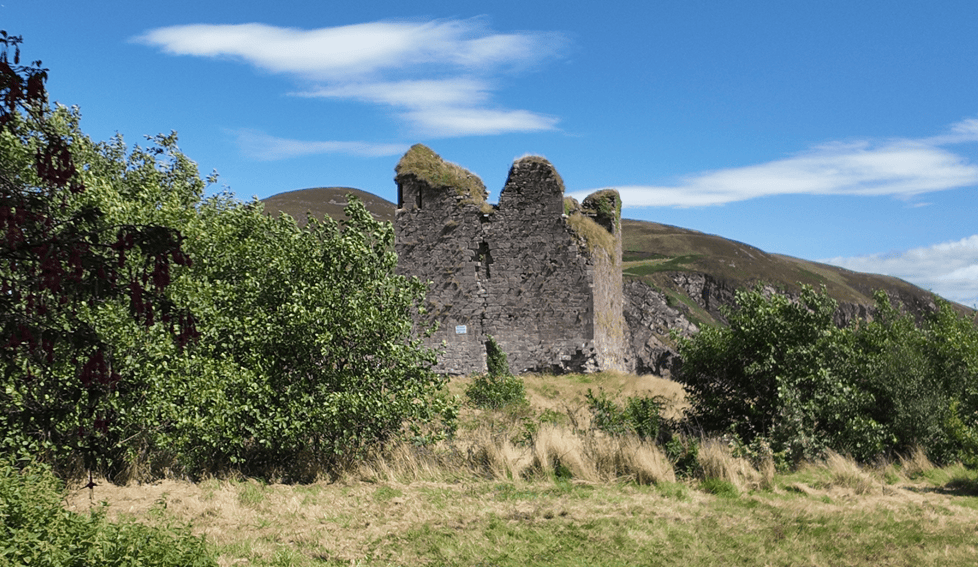
If you are travelling between north Kerry and Dingle, Ardfert may be incorporated into a broader route rather than visited as an isolated return journey. Garfinny Bridge, on the eastern side of Tralee, provides another connection with Kerry’s historic landscape, while Minard Castle offers a later and more defensive form of medieval heritage on the southern side of the Dingle Peninsula.
Continue Exploring North Kerry
North Kerry is sometimes passed through quickly by visitors travelling towards Dingle or Killarney, yet it contains a distinctive combination of religious history, market towns and Atlantic coastline. Ardfert provides the strongest medieval ecclesiastical starting point, Tralee supplies the geographical centre, and Listowel and Ballybunion create logical onward destinations.
Visitors planning a wider journey can use the Explore Kerry guide to connect Ardfert with other regions of the county. If you would prefer to build a day around particular historical and scenic interests, a bespoke private tour of Kerry allows the route and time at each site to be adjusted to the people travelling.
Frequently Asked Questions About Ardfert Cathedral
Is Ardfert Cathedral worth visiting?
Yes, particularly if you are interested in medieval architecture, St Brendan or early Christian history. The combination of a substantial cathedral and two smaller medieval churches makes the site more varied than a single ruined building.
Where is Ardfert Cathedral?
It is in Ardfert village, approximately 10 kilometres north-west of Tralee on the R551 towards Ballyheigue.
How long should I spend at Ardfert Cathedral?
Allow about 45 minutes for a comfortable general visit. Around an hour or more is better if you want to study the architecture, see the exhibition or take photographs.
Is there an admission charge?
Admission charges may apply during the staffed visitor season. Check the official Heritage Ireland page before visiting because prices, opening dates and access arrangements can change.
Is Ardfert Cathedral open all year?
The staffed visitor site generally operates seasonally rather than throughout the entire year. Opening times can vary, so confirm current arrangements before making a special journey.
Is much walking required?
No long walk is required, but visitors must move over uneven surfaces within a historic churchyard and ruined complex. Suitable footwear is recommended.
What else can I visit near Ardfert?
Nearby options include Tralee, Ballyheigue and the north Kerry coast. Ballybunion and Listowel can also be incorporated into a longer day exploring the region.