Holden Leathergoods is a family-run leather workshop on the Dingle Peninsula, producing handmade bags and accessories close to Dingle and Ventry. For visitors interested in Irish craft and locally made products, it offers something different from the peninsula’s historical sites and coastal viewpoints: an opportunity to discover a working local maker and the skill behind the finished pieces.
What Is Holden Leathergoods?
Holden Leathergoods produces leather bags and accessories from its workshop on the Dingle Peninsula.
The business was established by Conor Holden and has developed a distinctive style centred on practical, understated leather goods designed to be used rather than simply displayed.
Bags, satchels and smaller leather accessories form part of the collection, with much of the appeal coming from the materials and construction rather than elaborate decoration.
For visitors, however, the interest goes beyond what is available to buy. Holden represents another side of the Dingle Peninsula—the craftspeople, artists and independent producers who live and work here today.
The Story Behind the Workshop
The Dingle Peninsula has attracted and supported artists, craftspeople and independent makers for decades.
Holden Leathergoods forms part of that contemporary craft community.
Working from the peninsula rather than a large manufacturing centre gives the business a strong connection with the place in which its products are made. It also means visitors can encounter the work close to its source rather than discovering it solely through a conventional retail shop.
That distinction is important.
When travelling around Kerry, locally made products can provide a much more meaningful connection with an area than generic souvenirs produced elsewhere. Other independent businesses, including The Little Cheese Shop in Dingle and Louis Mulcahy Pottery, demonstrate the variety of locally rooted enterprises visitors can discover across the peninsula.
What Does Holden Leathergoods Make?
Holden is particularly associated with leather bags, including practical designs intended for everyday use.
The range also includes smaller leather goods and accessories.
One of the noticeable characteristics of the work is its relatively restrained design. Rather than following heavily decorated or short-lived fashion styles, many of the pieces allow the leather, construction and shape of the product to provide most of the visual character.
Leather also changes with use.
Marks, variations in tone and the gradual ageing of the material mean a frequently used leather bag can develop a different appearance over time. For anyone interested in materials and craftsmanship, that is part of the attraction of choosing leatherwork in person.
Handmade on the Dingle Peninsula
The word “handmade” is used very loosely in modern retail, which makes it worth understanding where something has actually been produced.
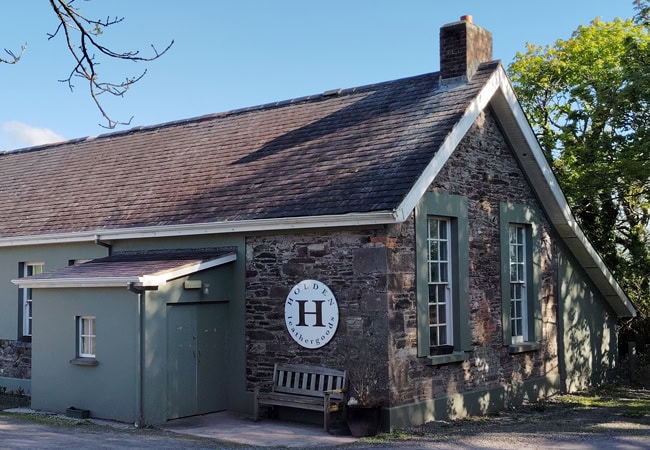
Holden Leathergoods operates from its own workshop on the Dingle Peninsula, connecting the finished products with the people and place where they are made.
For visitors interested in craft, this is often more interesting than simply browsing a finished collection.
Leatherwork requires a series of decisions about design, materials, cutting, assembly, stitching, fittings and finishing. Looking at a completed piece after understanding some of that process makes it easier to appreciate the work involved.
It also provides a useful reminder that craft on the Dingle Peninsula is not purely historical. People continue to design, make and sell products here today.
Visiting Holden Leathergoods
Holden Leathergoods can be visited independently, making it an interesting stop for anyone exploring the Dingle Peninsula who has an interest in craft, design or locally made products.
It is not the sort of place that needs to occupy half a day.
Instead, it works particularly well as a shorter stop incorporated into a wider journey around the peninsula, allowing time to browse the available work and learn a little more about the business.
Opening arrangements can vary, so check directly with Holden Leathergoods before making a special journey to visit.
This is particularly sensible outside the main visitor season or if visiting the workshop is an important part of your plans.
Where Is Holden Leathergoods?
Holden Leathergoods is situated on the Dingle Peninsula, between the Dingle and Ventry area.
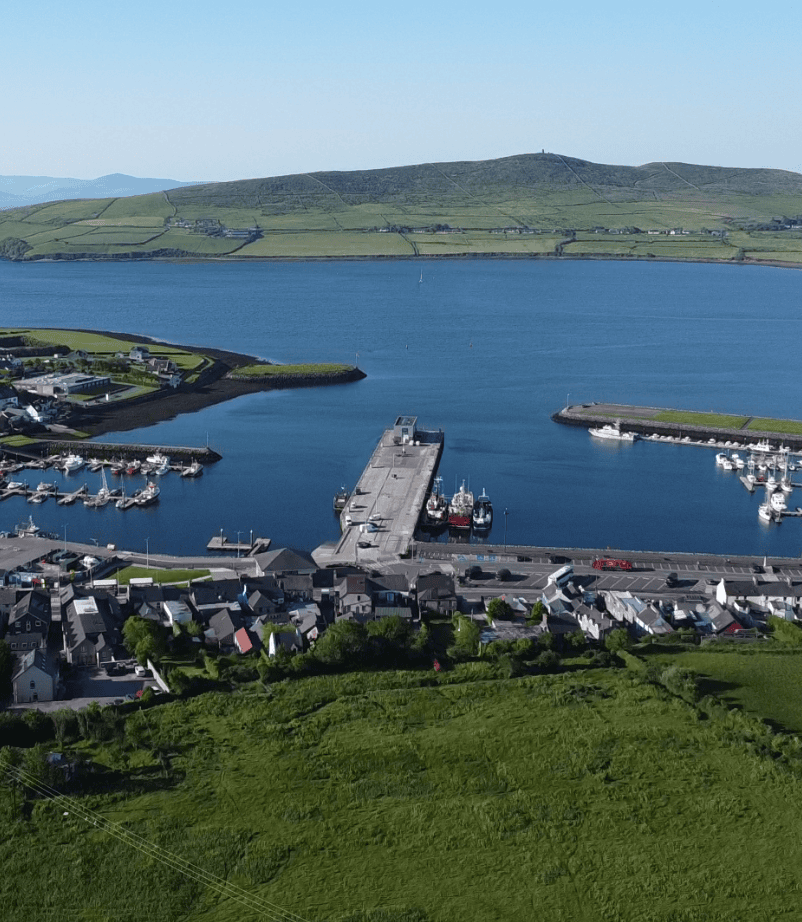
Dingle Town is the main visitor base nearby, while Ventry lies further west towards the Atlantic coast.
The location makes Holden particularly convenient for visitors beginning a journey around Slea Head Drive. It can therefore be considered as part of a wider day exploring the western peninsula rather than requiring a completely separate journey.
Is Holden Leathergoods Worth Visiting?
That depends on what interests you.
If your priority is fitting as many major viewpoints and historical monuments as possible into one day, a craft workshop may not be an essential stop.
If you enjoy meeting local makers, seeing where products originate or buying something made on the peninsula, it is much more worthwhile.
It can also provide a pleasant change of pace during a day dominated by driving, archaeology and coastal scenery.
For visitors looking for a lasting item from Kerry, buying directly from a local maker can also feel considerably more connected to the place than choosing a mass-produced souvenir.
There is no obligation to buy simply because you visit. The interest lies equally in discovering another part of contemporary life on the peninsula.
What to Know Before You Visit
The most important advice is to check current opening arrangements directly with Holden Leathergoods before travelling specifically to the workshop.
Allowing a little flexibility is useful when incorporating small independent businesses into a touring day. Unlike major visitor attractions, local workshops may not always operate around the same schedules as tourism sites.
If you are hoping to see a particular product, arrange shipping or have a specific question about the leatherwork, contacting Holden directly before visiting is also the most reliable approach.
The company’s official website provides current information about the business, products and contact details.
Holden and the Craft Tradition of the Dingle Peninsula
One of the pleasures of exploring the Dingle Peninsula is discovering that its culture is not confined to ancient monuments and museums.
There is also a living creative community.
Artists, designers, craftspeople and food producers continue to work across the peninsula, often drawing inspiration from the landscape while developing businesses that are distinctly contemporary.
These makers contribute to the character of the area in a quieter way than its famous scenery.
They also give visitors an opportunity to support businesses rooted within the communities they are visiting. The local business community ranges from workshops and food producers to companies such as Dingle Distillery, which has developed another distinctive product connected with the town.
Holden Leathergoods is a good example of this side of the peninsula: a local workshop producing something tangible rather than an attraction created specifically for tourism.
Combining Holden Leathergoods with Slea Head
Holden’s location makes it particularly easy to consider when exploring the western Dingle Peninsula.
From Dingle, the road continues towards Ventry before reaching the increasingly exposed Atlantic landscape around Slea Head.
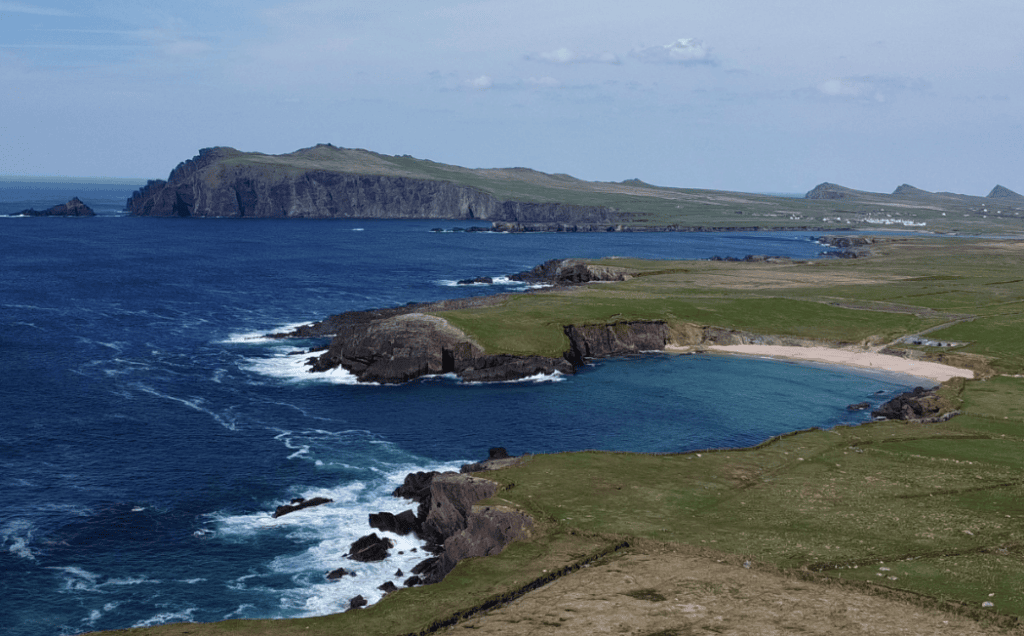
Further west are archaeological sites, coastal viewpoints and the Gaeltacht communities around Dún Chaoin and Ballyferriter, with the Blasket Islands visible offshore in suitable conditions.
A stop connected with contemporary craft provides an interesting contrast with those older layers of the peninsula.
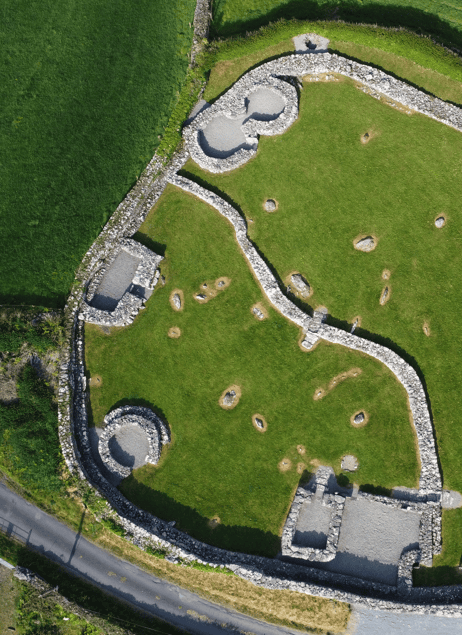
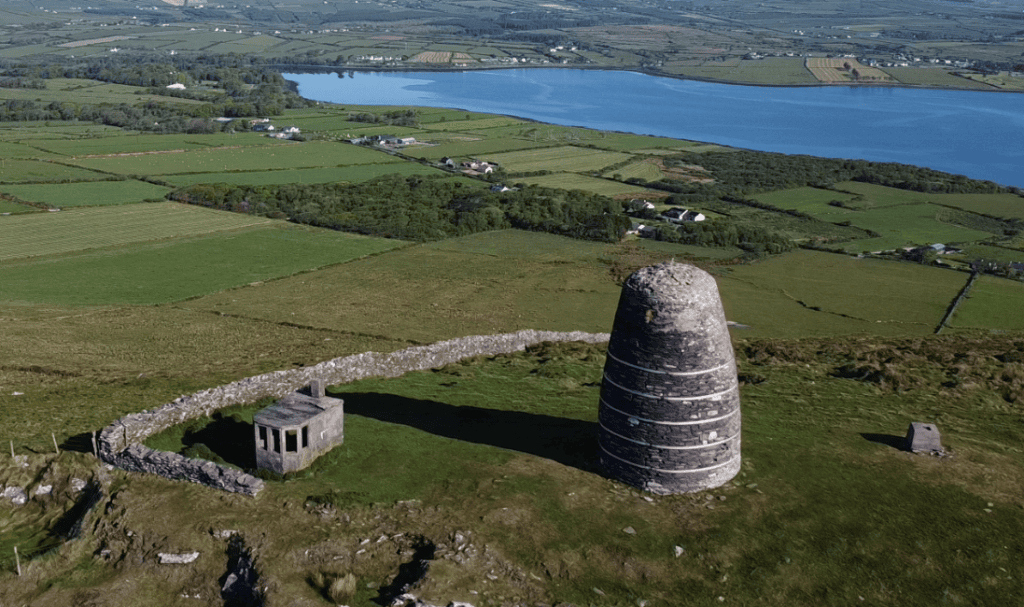
Ancient stone structures tell one part of the story. Sites including the Fahan Beehive Huts and Dún Beag Promontory Fort illustrate how people lived within this coastal landscape long before the development of its modern workshops and businesses.
Irish-language communities tell another.
Working farms, fishing, independent businesses and craftspeople show that the peninsula remains a living place rather than simply a collection of historical attractions.
For visitors particularly interested in local craft and makers, Steve’s Peninsula Tours’ private Slea Head Drive tour can allow more flexibility than a fixed sightseeing schedule, subject to individual business opening arrangements.
Continue Exploring Local Dingle Businesses
Holden Leathergoods should not be viewed in isolation.
The wider Dingle Peninsula has a strong community of independent makers, artists and producers, and seeking some of them out can add an entirely different dimension to a visit.
Rather than returning home with something that could have been bought anywhere, visitors can discover objects, food and artwork connected directly with the people who live and work in Corca Dhuibhne.
In Dingle Town, visitors can combine independent shops with the town’s cafés, harbour and local food businesses. The Dingle food guide provides another way to explore the relationship between local producers, ingredients and the character of the peninsula.
Anyone planning a broader day can continue from Holden towards Ventry and the coast before visiting places such as Coumeenoole Beach, Dunquin Pier and the Gaeltacht landscape surrounding Ballyferriter.
That is one of the quieter pleasures of travelling slowly around the peninsula.
The cliffs, beaches and ancient monuments may initially bring people here, but contemporary Dingle is shaped just as much by the people continuing to make, create and work within the landscape today.
Frequently Asked Questions About Holden Leathergoods
Where is Holden Leathergoods?
Holden Leathergoods operates from a workshop on the Dingle Peninsula between the Dingle and Ventry area, making it convenient to include in a journey towards Slea Head.
What does Holden Leathergoods make?
The workshop is particularly associated with handmade leather bags, satchels and smaller accessories designed for practical, everyday use.
Can visitors call into the workshop?
Visitors can include Holden Leathergoods in their exploration of the peninsula, but current opening arrangements should be checked directly before making a special journey.
How long should I allow for a visit?
For most visitors, Holden works best as a relatively short stop within a wider day rather than a half-day attraction. The time required will depend on your interest in the products and whether you want to discuss the work in greater detail.
Can I combine Holden Leathergoods with Slea Head Drive?
Yes. Its position between the Dingle and Ventry area makes it a natural possible stop near the beginning or end of a Slea Head journey, subject to opening arrangements.
What else can I visit nearby?
Nearby options include Dingle Town, Ventry, Slea Head Drive, the Fahan Beehive Huts, Dún Beag Fort, Coumeenoole Beach and Dunquin Pier.