
HISTORY COLLECTION
Standing on the shore of Lough Leane in Killarney National Park, Ross Castle is a substantial late medieval tower house associated with the Gaelic O’Donoghue Mór dynasty.
Late Medieval
Ross Island, Killarney, County Kerry
Tower House with Defensive Bawn
Seasonal Public Access
Interior by Guided Tour Only
Ross Castle preserves the characteristic form of a late medieval Gaelic tower house within a defended lakeside complex. The principal tower, surrounding bawn and corner towers reflect a building designed for residence, status and protection. Its position on Ross Island was equally important, with Lough Leane forming part of the castle’s defensive setting and communications network. The monument seen today also reflects a much longer history of use, alteration and conservation, including its later role as a military garrison and extensive restoration during the twentieth century.
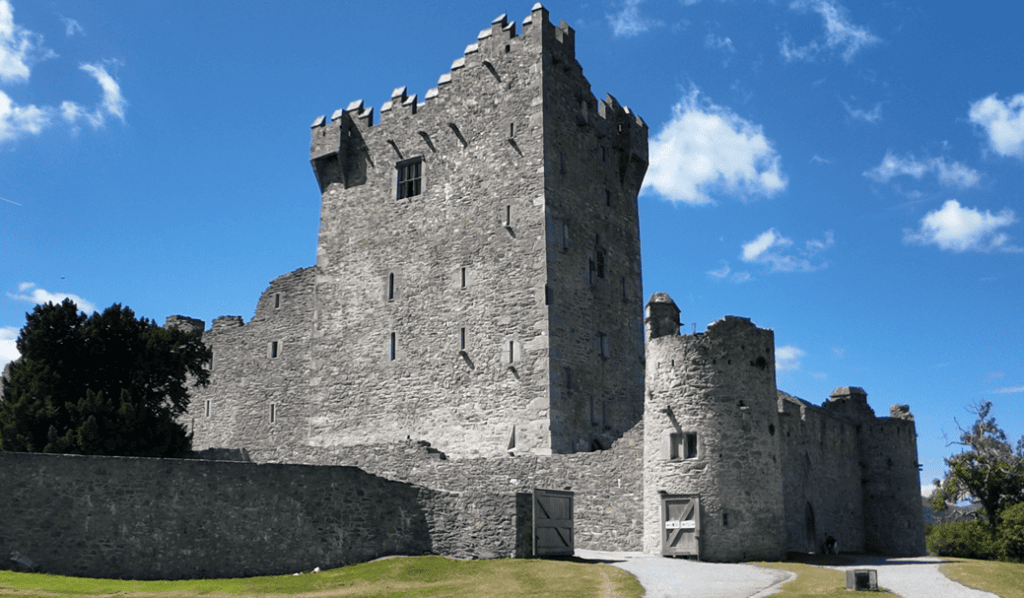
The fifteenth-century tower house formed the fortified residential heart of Ross Castle.
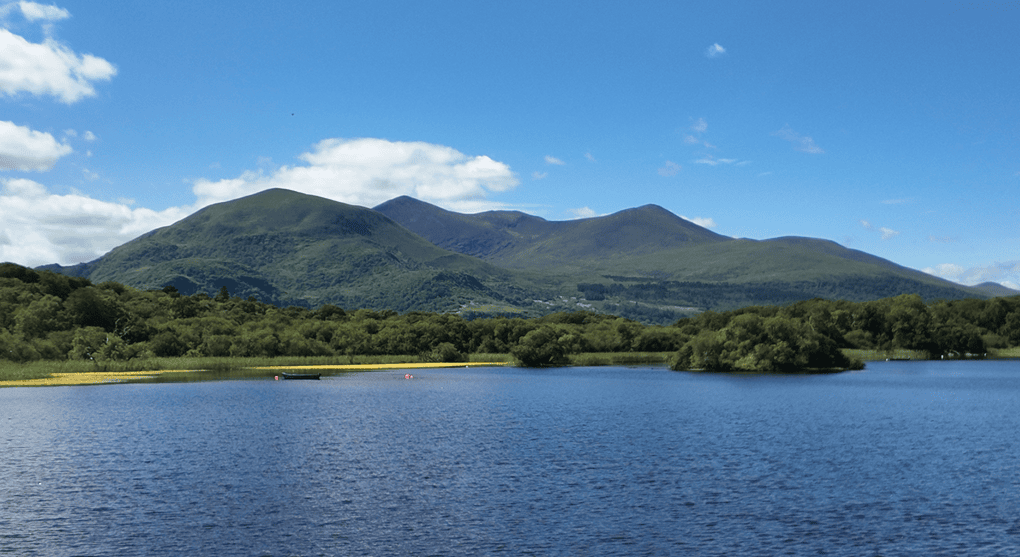
Lough Leane formed an important part of the castle’s defensive and communications landscape.
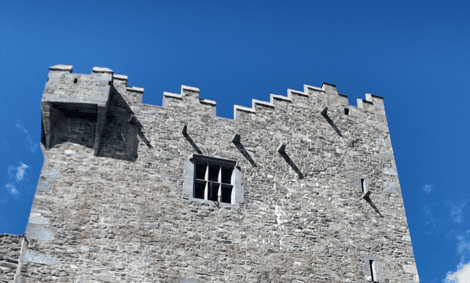
A defended bawn and corner towers provided an additional layer of protection around the principal tower.
Every historic site has a unique story shaped by its landscape, history and surviving remains. This section provides the key facts you need to understand the monument, including its location, historical importance and defining features, offering a solid foundation before exploring the site in greater depth.
Irish name
Caisleán an Rois
County
Kerry
Monument Type
Late Medieval Tower House with Defensive Bawn
National Monument Number
No. 66
Historical Period
Late Medieval
Ownership
State care
Date
15th century
Condition
Restored
Townland
Ross Island / Oileán an Rois
Archaeological Investigation
Rescue excavation, 2015
Civil Parish
Killarney / Cill Airne
Public Access
Seasonal; interior by guided tour only
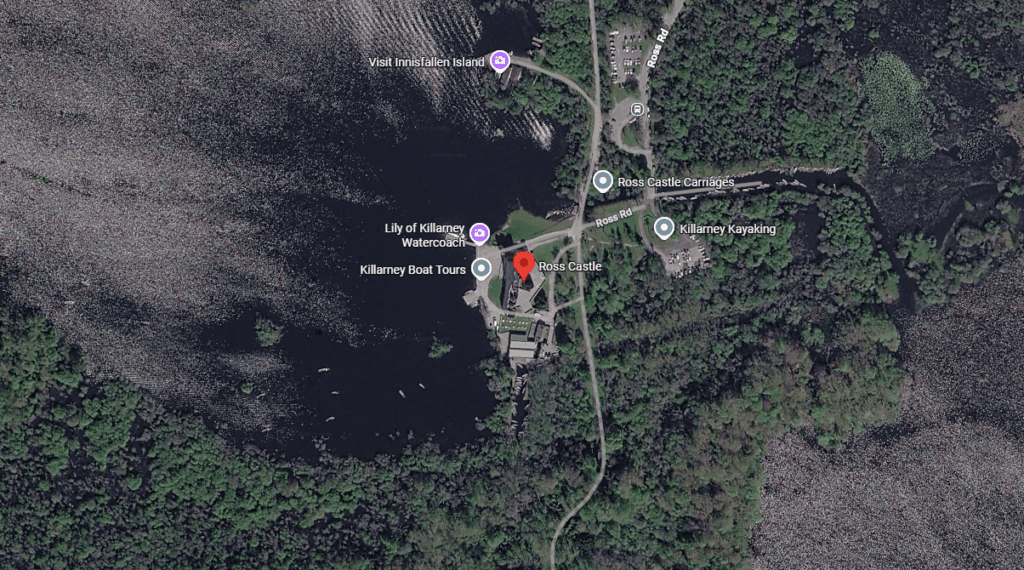
Latitude
52.041368
Longitude
-9.531019
Address
Killarney, Co. Kerry
Nearest Town
Killarney
Road access
N71
Ross Castle emerged during the later medieval period, when tower houses became important fortified residences for Ireland’s Gaelic and Anglo-Irish elites. Probably built during the fifteenth century by the O’Donoghue Mór dynasty, Ross served as more than a defensive structure. It was a residence, a visible expression of lordly authority and a centre of territorial control within the Killarney landscape. Its unusually prominent position beside Lough Leane strengthened both its defensive value and its importance within the surrounding territory.
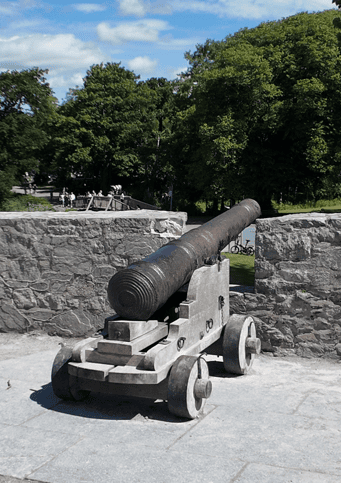
Ross Castle Historic Cannon
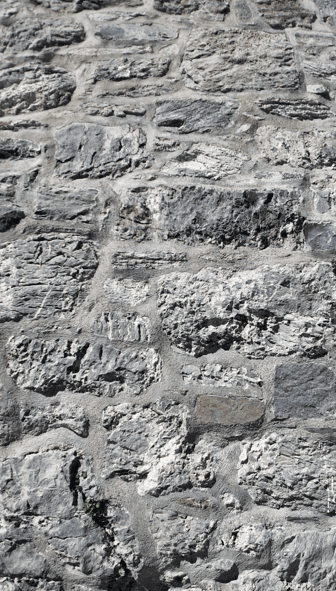
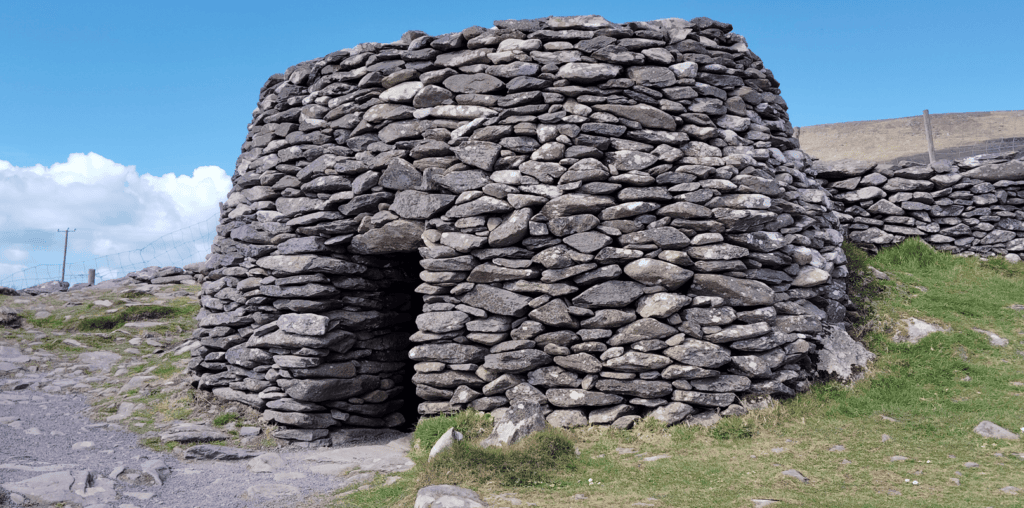
Ross Castle Stone Masonry
During the later sixteenth century, the political landscape surrounding Ross Castle changed dramatically. The Desmond rebellions, expanding Crown authority and shifting Gaelic lordships transformed control of south Kerry. Ross became associated with the MacCarthy Mór dynasty and subsequently with the Browne family, later closely connected with the Kenmare estate. The precise sequence through which control passed between these families is complex, and a simplified transfer from one owner to another cannot be stated with certainty. What is clear is that Ross Castle became part of a much wider transformation in political authority across Kerry.
Ross Castle again became strategically important during the Confederate and Cromwellian wars of the seventeenth century. By 1652 it remained a major fortified position associated with Confederate resistance in Munster.
Parliamentary forces under Edmund Ludlow advanced against the castle, with military preparations involving boats capable of carrying ordnance on Lough Leane. Ross surrendered in June 1652, an event that marked the collapse of organised Confederate resistance in Munster.
The famous tradition that Ross could not fall until a ship sailed upon the lake belongs to folklore. Boats and ordnance were genuinely involved in the military operation, but there is no independent evidence that a prophecy caused the defenders to surrender.
Following the seventeenth-century conflicts, Ross Castle ceased to function primarily as an elite Gaelic residence. It was incorporated into government military use and subsequently served as a garrison and barracks.
The Browne/Kenmare family eventually established its principal residence elsewhere near Killarney, while Ross entered a different phase of its history. By the eighteenth and nineteenth centuries, the castle was also becoming part of the celebrated picturesque landscape of Killarney, appearing in travel accounts, drawings, prints and paintings.
By the twentieth century, Ross Castle had become substantially ruinous. A major State conservation and restoration programme took place between 1970 and 1993, returning the tower house to a roofed and internally accessible condition.
The castle visitors encounter today therefore combines surviving medieval fabric, later historical alterations and twentieth-century reconstruction. It should not be understood as an entirely untouched medieval building.
Ross Castle was not personally captured by Oliver Cromwell. The Parliamentary commander associated with its surrender in June 1652 was Edmund Ludlow.
Ross Castle is a tower house, a form of fortified residence widely constructed by Ireland’s later medieval elite. Unlike the extensive Anglo-Norman castles of earlier centuries, its principal building is a tall, vertically organised masonry tower containing rooms arranged on successive levels. Defence was concentrated around the entrance, wall heads, corners and the surrounding bawn, or fortified courtyard.
Ross is regarded as a notably large example of the tower-house tradition. Its architecture combined practical defence with residential accommodation and the visible expression of the status and authority of its occupants.
The tower formed the principal secure residence, while the surrounding bawn created an additional defensive barrier. Corner towers strengthened this enclosed area, meaning that anyone approaching the main building first had to negotiate the outer defences. Crenellated parapets and projecting defensive elements further strengthened the complex. The castle’s lakeside position added another dimension to this defensive arrangement, integrating the architecture with the natural protection offered by Ross Island and Lough Leane.
The interior was organised vertically. Lower levels were generally less prestigious and more defensible, while the upper parts of the tower provided higher-status accommodation.
Stone vaulting, fireplaces, windows, wall passages and vertical circulation structured movement and occupation within the building. Modern descriptions assigning specific functions to individual rooms should be treated as informed interpretation unless supported directly by archaeological or documentary evidence.
Ross Castle was constructed using traditional load-bearing stone masonry, with its massive walls transferring the weight of floors, vaults, roof structures and parapets towards the underlying rock. Battered masonry — walls that thicken or slope outwards towards their base — survives on the northern side and demonstrates deliberate strengthening at lower wall level.
Carefully formed openings, internal wall passages and defensive projections required considerable masonry skill. Better-dressed stone would typically have been required around structurally important features such as doors, windows, corners and vault springing, although individual elements at Ross cannot automatically be assigned to its original construction phase.
Ross Castle’s present appearance reflects several phases of its history. Medieval masonry survives alongside later alterations associated with continued occupation and military use, while substantial conservation and reconstruction took place during the twentieth century.
The restoration returned the tower house to a roofed and accessible condition. Consequently, features visible today should not all be assumed to have survived unchanged from the fifteenth century. The present interior represents a conservation reconstruction informed by surviving evidence and knowledge of comparable tower houses.
The castle was built in close relationship with the natural bedrock of Ross Island. Archaeological investigation beside the entrance exposed masonry immediately associated with the rock outcrop, showing how the natural geology formed part of the structure’s foundations and engineering.
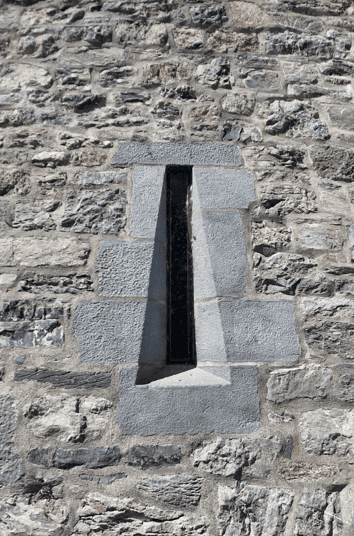
Ross Castle Defensive Opening
Ross Castle is both a surviving medieval building and an archaeological site. Its standing walls preserve evidence for the development and use of the tower house, while deposits around the castle can provide information about occupation, food, service areas and later military activity.
Archaeological evidence is particularly valuable where written records cannot answer detailed questions about how the castle was used. At Ross, however, much remains to be understood about the different phases of the tower house, bawn and associated structures.
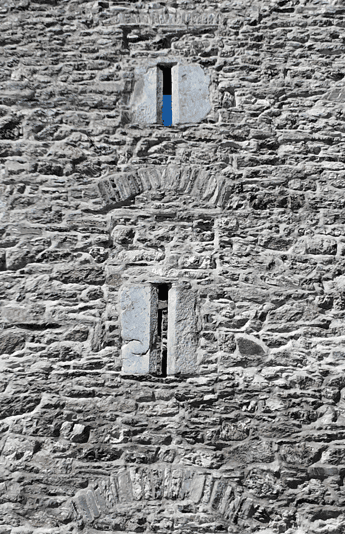
Ross Castle Wall Openings
In 2015, a targeted rescue excavation was carried out after an archaeological deposit became exposed beside the main entrance, close to the northern limits of the tower house.
The deposit was found against the natural bedrock, beneath or beside a large battered buttress. Excavation recovered frequent animal bone together with oyster shell, providing direct physical evidence of food remains deposited close to the castle entrance.
The excavated animal-bone assemblage contained 121 fragments. Identifiable remains included sheep or goat, cattle and pig, together with a single bone from a fish belonging to the cod family.
These remains demonstrate the consumption or disposal of animal and marine foods at the site. Their precise historical context remains uncertain, however, because no other artefacts were recovered that could securely date the deposit.
It would therefore be misleading to describe these remains specifically as evidence of a medieval meal or medieval diet. They could relate to medieval or later occupation of the castle.
Much of the archaeological interpretation of Ross Castle also comes from the building itself. Masonry, openings, wall passages, vaulting and changes within the surviving structure can potentially reveal different phases of construction and alteration.
This is especially important because Ross continued to be used after its original period as a Gaelic residence and underwent extensive twentieth-century restoration. Distinguishing original medieval masonry from later modifications and reconstructed elements is essential when interpreting the castle today.
The archaeology of Ross Island extends thousands of years beyond the castle. Evidence of Bronze Age copper mining, dating approximately to the third millennium BC, demonstrates human activity on the island long before the medieval tower house was constructed.
Ross Castle therefore occupies part of a much deeper archaeological landscape, in which the natural resources and strategic setting of Ross Island attracted human activity across very different periods of Irish history.
The animal bones and oyster shells discovered in 2015 provide genuine archaeological evidence for food consumption or disposal at Ross Castle, but no diagnostic artefacts were found alongside them. Their exact date therefore remains uncertain.
Ross Castle was designed not simply for defence but as a residence associated with Gaelic lordship. Its occupants lived within a strongly hierarchical building, where space, security and status were reflected in the vertical arrangement of the tower house.
The surviving architecture provides some indication of how that life was organised. Lower levels were more defensible and less prestigious, while accommodation higher within the tower was associated with greater status. Movement between these spaces depended on the castle’s internal vertical circulation, passages and carefully controlled access points.
Fireplaces, windows, stone vaulting and internal passages demonstrate that the tower combined residential requirements with the demands of a fortified building. Upper rooms would have provided the more prestigious accommodation within this vertical arrangement.
The precise function of individual rooms cannot always be established. Although particular spaces may be interpreted as halls, chambers or service areas, such descriptions should not be treated as certain unless supported by archaeological or documentary evidence.
Archaeology provides a small but important glimpse into food consumption at Ross Castle. The deposit excavated near the entrance in 2015 contained oyster shell and animal bones, including remains identified as sheep or goat, cattle and pig, together with a single fish bone from the cod family.
These remains demonstrate that food was consumed or discarded around the castle. Because the deposit could not be securely dated, however, it cannot be attributed with certainty to the medieval occupants rather than a later phase of the castle’s long history.
Life at Ross took place within architecture designed to control movement and provide protection. The tower stood inside a defended bawn, creating successive layers between the surrounding landscape and the principal residence.
This arrangement reflects the wider purpose of the tower house as both a home and a fortified centre of lordly authority. Daily activities therefore took place within a building where residence, status and security were closely interconnected.
The clearest direct archaeological evidence for everyday activity at Ross Castle comes from food remains rather than household objects. The 2015 excavation recovered 121 animal-bone fragments and oyster shell, but no diagnostic artefacts capable of securely dating the deposit.
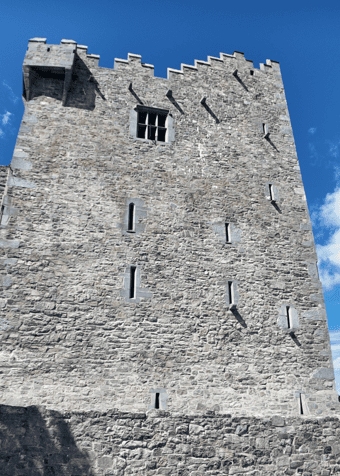
Ross Castle Tower House Exterior
Ross Castle occupies the eastern side of Ross Island on the shore of Lough Leane, within what is now Killarney National Park. Its position was fundamental to the castle’s historical importance. Lake, shoreline, wooded ground and surrounding mountains formed a landscape that influenced defence, movement and territorial authority.
Rather than standing independently from its surroundings, Ross was closely connected to them. The island setting restricted approaches to the castle, while Lough Leane could function as both a protective barrier and a route for communication.
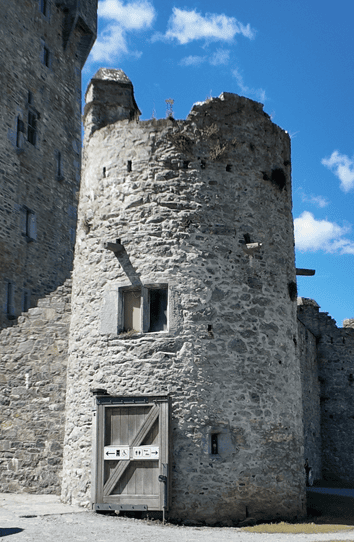
Ross Castle Corner Tower
The natural setting strengthened the defensive character of Ross Castle. Its position beside the lake complemented the tower house, bawn and other constructed defences, making the wider landscape part of the stronghold.
The events of 1652 demonstrated that this advantage was not absolute. Parliamentary preparations involving boats capable of carrying ordnance changed the military situation by bringing waterborne capability onto Lough Leane. The lake that contributed to Ross Castle’s protection could therefore also provide an approach for an attacking force.
Ross Island lies within the varied geology of the Killarney landscape, where Carboniferous limestone lowlands meet uplands formed from Devonian Old Red Sandstone.
The castle itself is closely associated with exposed bedrock. Archaeological investigation beside the main entrance demonstrated the relationship between the masonry and natural rock, showing that the underlying geology influenced the castle’s construction and defensive siting.
Ross Island was significant long before the construction of the medieval castle. Bronze Age copper-mining evidence shows that the island’s geological resources were being exploited approximately in the third millennium BC.
The wider Killarney lake landscape also contains heritage from very different periods, including the early medieval monastery at Innisfallen, Muckross Franciscan Friary, Muckross House and Killarney House and Gardens. Together these places demonstrate the exceptional chronological depth of human activity around the Lakes of Killarney.
The meaning of the landscape surrounding Ross Castle changed over time. By the eighteenth and nineteenth centuries, the castle had become an established feature of the picturesque Killarney landscape.
It appeared in travel writing, drawings, prints and paintings as the Lakes of Killarney developed as a celebrated destination. A building originally associated with lordship, defence and military power was increasingly encountered as part of the scenery for which Killarney became known.
Lough Leane was not simply the backdrop to Ross Castle. The lake formed part of its defensive and communications landscape, and during the 1652 campaign it became directly involved in the military strategy surrounding the castle.
Follow the story of Ross Castle from its probable construction in the fifteenth century through political upheaval, the surrender of 1652, later military use and twentieth-century restoration. The timeline traces the major events that transformed Ross from a fortified Gaelic residence into one of Killarney’s most significant surviving medieval monuments.
Copper mining took place on Ross Island thousands of years before the medieval castle was constructed.
Ross Castle was probably built by the O’Donoghue Mór dynasty as a fortified residence and centre of Gaelic lordship.
Control shifted amid Gaelic power struggles, the Desmond wars and Crown intervention, with MacCarthy and Browne associations emerging.
Ross Castle remained an important fortified position during Confederate resistance in Munster.
Ross surrendered to Parliamentary forces commanded by Edmund Ludlow, marking the collapse of organised Confederate resistance in Munster.
Following the conquest, Ross Castle was incorporated into government military use as a garrison and barracks.
Ross became an established feature of the picturesque Killarney landscape, appearing in travel writing, drawings, prints and paintings.
A major State conservation programme restored the substantially ruinous castle to a roofed and internally accessible condition.
A rescue excavation beside the main entrance uncovered animal bone and oyster shell, providing evidence of food consumption or disposal at the site.
Ross Castle stands on Ross Island beside Lough Leane, approximately 2 km from Killarney. The monument is managed by the Office of Public Works through Heritage Ireland. Visitors can explore the exterior setting, while access to the restored tower-house interior is by guided tour. The historic structure includes steep inclines, uneven surfaces and vertical circulation, so some areas can present difficulties for visitors with limited mobility. Opening arrangements are seasonal and can change.
Ross Island, approximately 2 km from Killarney
Free parking is available beside the castle.
Interior access by guided tour only
Grounds free
Paid guided tour of castle interior
Daylight hours in good weather
Innisfallen Abbey, Muckross Friary, Muckross House and Killarney House & Gardens
Explore more historic places, monuments and archaeological sites across County Kerry.
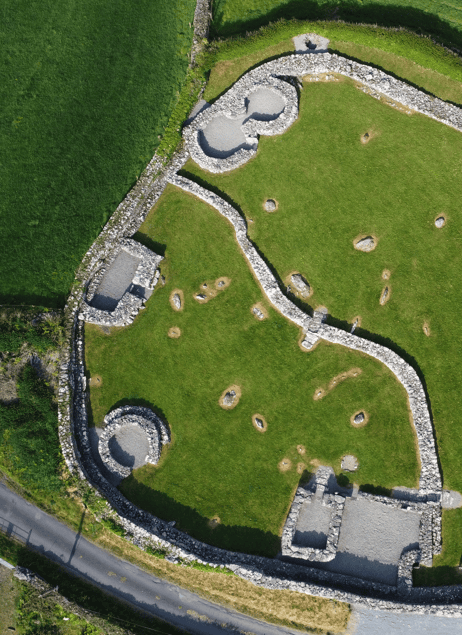
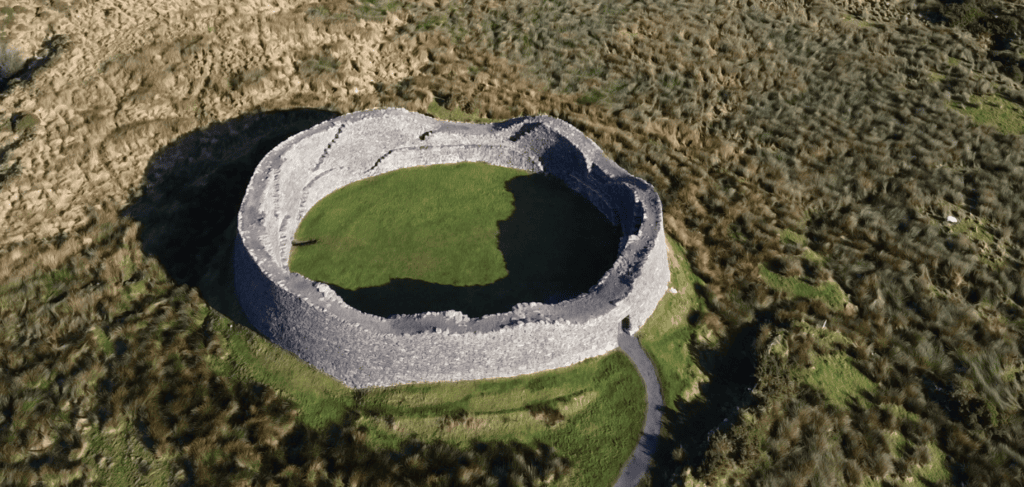
Ross Castle is best understood as part of the wider landscape of Lough Leane and Killarney National Park. Standing beside the tower house reveals how closely its medieval defences were connected to the lake, Ross Island and the surrounding terrain. The surviving architecture also provides a tangible link to the Gaelic lordship that shaped this part of Kerry during the later medieval period. Ross Castle also provides a starting point for exploring the remarkable depth of Killarney’s heritage, from prehistoric activity on Ross Island and early medieval Innisfallen to Muckross Friary and the later historic estates. Continue exploring Kerry’s historic places to see how these different periods have shaped the landscape visitors encounter today.
If you would rather leave the driving behind, I offer private tours across the Dingle Peninsula and County Kerry. Each experience is designed for small private groups, with a relaxed pace, local knowledge and the flexibility to spend more time at the places that interest you most.
A relaxed three-hour private tour around Slea Head and the spectacular western coastline of the Dingle Peninsula.
Explore Slea Head, ancient heritage sites, coastal viewpoints and the landscapes of West Kerry on a private half-day experience.
Discover more of the Dingle Peninsula with a full day to explore its scenery, history, villages and lesser-known places.
Journey around the Iveragh Peninsula, combining the Ring of Kerry with the dramatic landscapes and Atlantic coastline of the Skellig Ring.
Explore Killarney National Park, its lakes, mountain viewpoints, waterfalls and some of the most beautiful landscapes in County Kerry.
Travel north from Kerry for a private day tour through the Burren to the spectacular Cliffs of Moher on Ireland’s Atlantic coast.
Create a private Kerry itinerary around the places, landscapes and experiences that matter most to you.
Our understanding of Ross Castle draws on official heritage records, archaeological investigation, placename evidence and published historical and architectural scholarship. Together, these sources establish the castle’s fifteenth-century origins, association with the O’Donoghue Mór dynasty, its surrender in 1652, later military use and modern conservation. Some details — particularly the precise construction date and sequence of later ownership — remain uncertain and should not be presented more precisely than the surviving evidence allows.
Office of Public Works / Heritage Ireland
Ross Castle — official monument record and visitor information.
Placenames Database of Ireland (Logainm)
Caisleán an Rois / Ross Castle and Oileán an Rois / Ross Island.
National Monuments Service
Record of Monuments and Places, County Kerry.
Excavations.ie
2015:405 — Killarney: Ross Castle, County Kerry.
Isabel Bennett
The Archaeology of County Kerry (1987).
Jane Fenlon
“Irish Art and Architecture, 1550–1730”, The Cambridge History of Ireland, Vol. 2 (2018).
John P. Prendergast
“The Surrender of Ross Castle, Killarney, 22nd June, 1652” (1854).
A. B. Rowan
“Notes on the Surrender of Ross Castle” (1854).
RTÉ Archives
Ross Castle Restoration — archival material relating to the OPW takeover and restoration.
National Parks & Wildlife Service
Killarney National Park documentation for the wider landscape and environmental context.
Loading availability…