
DINGLE PENINSULA · COUNTY KERRY
Annascaul Lake is a small freshwater lake set within a steep-sided glacial valley north of Annascaul village. Surrounded by rocky slopes, rough upland pasture and mountain streams, it offers a quieter view of the Dingle Peninsula’s inland landscape.
Freshwater glacial lake
Dingle Peninsula
Annascaul
Narrow local road
Annascaul Lake lies at the head of a narrow upland valley on the southern side of the Dingle Peninsula. Formed within a landscape shaped by glacial ice, the lake is enclosed by steep rocky slopes, rough pasture, heath and boulder-strewn ground, with mountain streams and cascades becoming more prominent after heavy rain.
The setting changes noticeably with the weather. Calm conditions can bring clear reflections across the dark freshwater, while wind, rain and low cloud reveal the valley’s more exposed character. Visitors can make a short scenic stop near the lakeshore, walk from Annascaul village or continue into the surrounding uplands on more demanding routes.
The character of Annascaul Lake comes from more than the water alone. Its steep valley walls, scattered boulders, rough upland vegetation and rain-fed cascades create a landscape that can appear calm and reflective one moment, then wild and exposed as the weather changes.
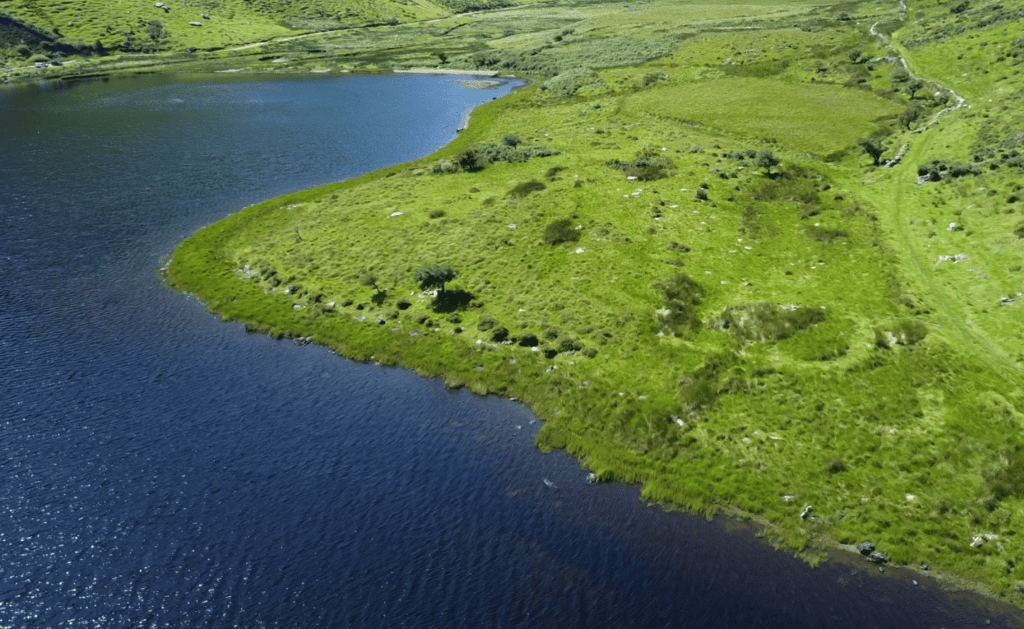
The irregular shoreline of Annascaul Lake meets rough grassland and boulder-strewn ground within the upper valley.
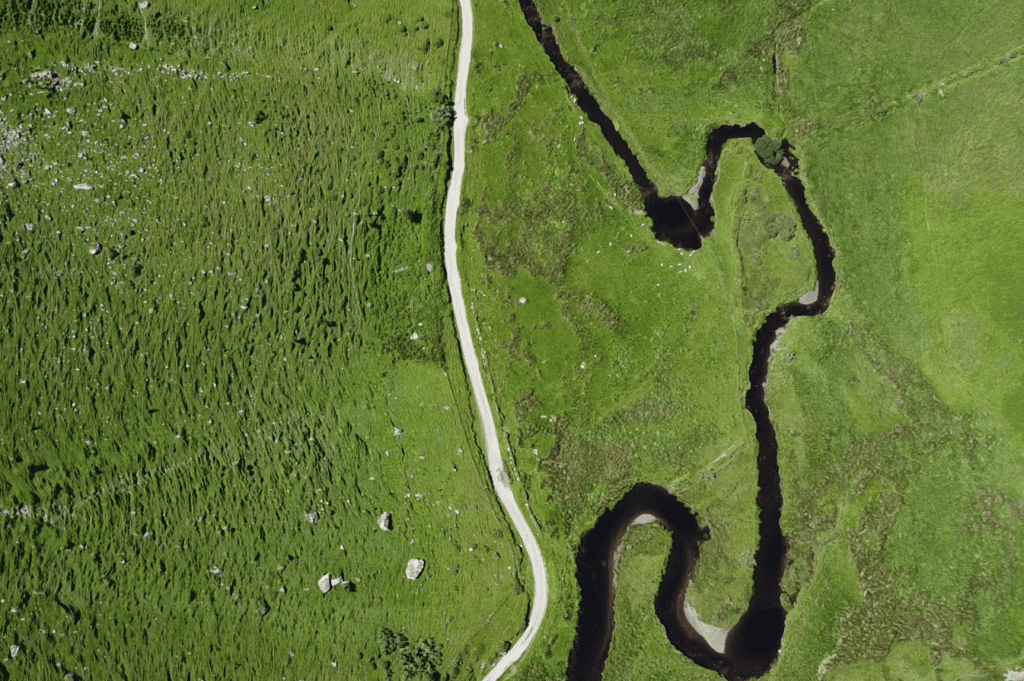
Streams draining the surrounding uplands wind through wet grassland before joining the Annascaul water system.
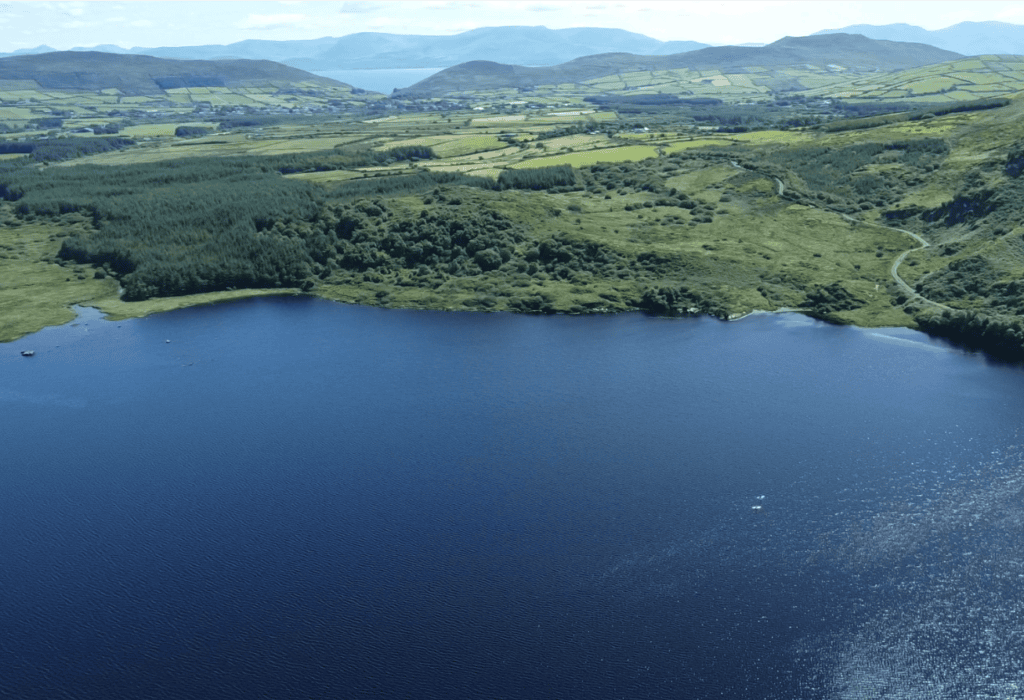
Looking south from Annascaul Lake, the enclosed mountain valley opens towards farmland and the lower Dingle Peninsula.
Annascaul Lake is a remote upland location with limited facilities and a narrow rural approach. Visitors should distinguish between a short lakeside stop, the walk from Annascaul village and the more demanding routes into the surrounding mountains.
PLACE TYPE
Freshwater glacial lake
ROAD ACCESS
Narrow single-lane local road
Irish name
Loch an Scáil
PARKING
Free Parking Available
AREA
Dingle Peninsula
PUBLIC ACCESS
Open year-round
NEAREST TOWN OR VILLAGE
Annascaul
FACILITIES
None verified at the lake
WALK FROM VILLAGE
Approximately 4 km each way
LANDSCAPE
Enclosed glacial valley
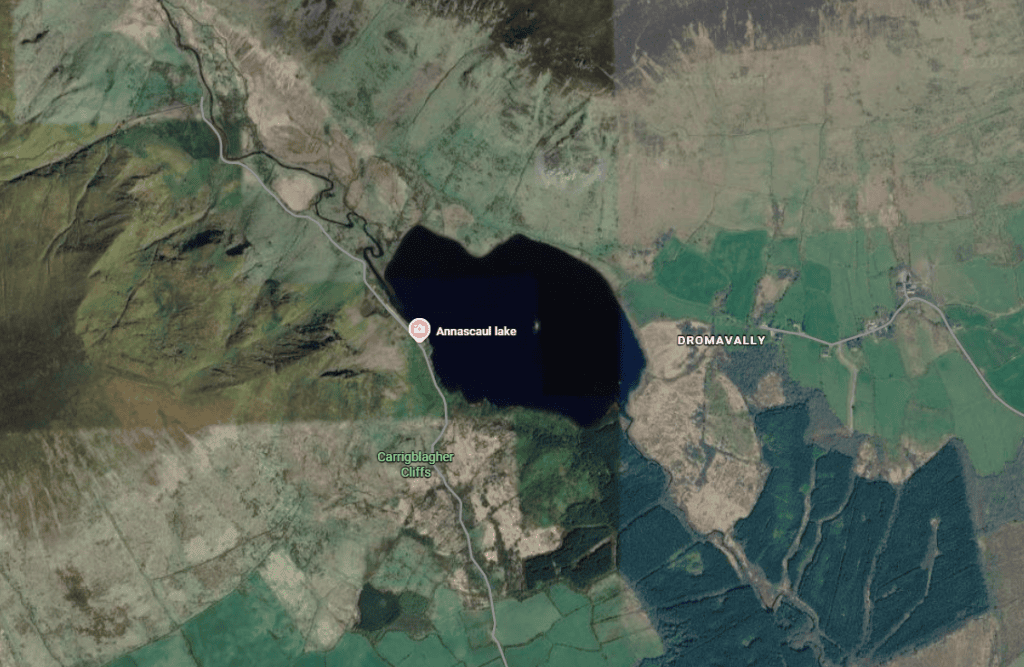
Latitude
52.180410
Longitude
-10.072204
Address
Upper Annascaul Valley, Dingle Peninsula, County Kerry
NEAREST TOWN OR VILLAGE
Annascaul
Road access
Narrow rural road running north from Annascaul village
Annascaul Lake offers a very different experience from the open beaches and coastal viewpoints of the Dingle Peninsula. The journey leads inland from Annascaul village into an increasingly enclosed valley of freshwater, rock, rough pasture and mountain slopes.
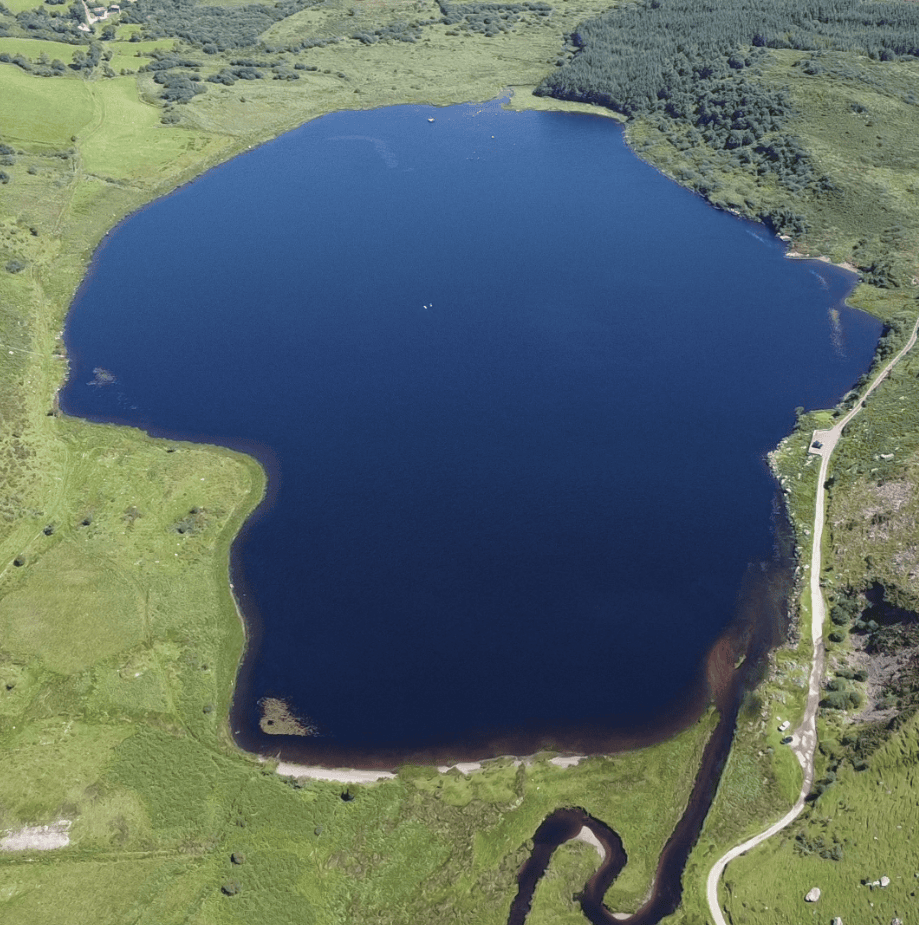
Annascaul Lake
Visitors can drive close to the lower end of the lake, approach on foot from Annascaul village or use the area as the starting point for a more demanding upland walk.
The final approach follows a narrow rural road north from Annascaul. As the valley closes in, farmland gives way to rougher ground, exposed rock and scattered boulders. The lake occupies the upper valley, with its dark water reflecting the surrounding slopes during calm conditions.
A short visit is primarily about appreciating the scale and character of the setting. Rain-fed streams and cascades become more noticeable after wet weather, while wind and low cloud can quickly make the valley feel considerably more exposed. There are no verified visitor facilities at the lakeside, so Annascaul village is the practical place to stop for refreshments and other services.
Walking options vary significantly. The approach from the village is approximately four kilometres each way and largely follows the road, where walkers must remain aware of local and agricultural traffic. Shorter exploration may be possible beside the lower lake, but routes continuing into the uplands involve wet, uneven and sometimes indistinct terrain. These should be treated as mountain walks requiring suitable clothing, footwear and navigation skills.
Annascaul Lake fits naturally into a quieter eastern Dingle Peninsula route with Annascaul village, Minard Castle and Inch Strand. The narrow approach road and very limited parking mean the lakeside stop is best kept flexible and assessed according to weather, traffic and space available on arrival.
A visit to Annascaul Lake requires a little more preparation than a roadside coastal stop. The narrow approach, limited parking, exposed weather and absence of visitor facilities should all be considered before travelling into the valley.
From the N86 in Annascaul village, take the minor road north towards the lake. The distance is approximately 3–4 km, depending on the starting point within the village.
A small parking area is available near the lake, but capacity is very limited and turning may be difficult when other vehicles are present. The approach is not suitable for coaches or routine large-vehicle access.
Allow 15–30 minutes for a short scenic stop. The return walk from Annascaul village may take approximately 2–2.5 hours, while upland routes generally require around half a day.
The final approach is a narrow rural road with bends, limited passing space and possible farm traffic or livestock. Drive slowly and be prepared to stop or reverse to a suitable passing point.
There are no verified toilets, cafés, bins, shelter or other visitor facilities at the lake. Use the services available in Annascaul village before beginning the drive or walk.
Conditions can change quickly, particularly beyond the lower lakeside. Wear sturdy footwear for uneven or wet ground and carry waterproof clothing if walking into the surrounding uplands.
Annascaul Lake is defined by the relationship between its freshwater, enclosing mountain slopes and weather-shaped upland terrain. These four features reveal the distinctive character of the upper valley.
The lake occupies a steep-sided valley shaped by glacial activity. Its enclosed form contrasts sharply with the open coastal landscapes found elsewhere around the Dingle Peninsula.
Large rocks and scattered boulders cover parts of the valley floor and surrounding slopes. They contribute to the rugged appearance of the landscape and have also inspired local traditions involving Cú Chulainn and stone-throwing giants.
Streams descend from the higher ground and become more prominent after periods of rain. Their changing flow gives the surrounding slopes additional movement, although swollen watercourses can make upland walking more difficult.
In calm conditions, the sheltered water can reflect the surrounding valley walls. Wind, rain and low cloud create an entirely different atmosphere, revealing how exposed this inland mountain setting can become.
Annascaul Lake is a natural upland waterbody rather than a managed recreation site. Its glacial setting, connected river system and exposed mountain environment are central to understanding both its ecological interest and the practical limitations of visiting the water.
The lake forms part of the upper Annascaul River system, which drains south through the valley towards Dingle Bay. Streams flowing from the surrounding slopes feed the lake, with cascades becoming more conspicuous after heavy rain. There is no managed waterfall viewpoint, protected waterside path or verified public launching area.
Scientific research has historically recorded Arctic char in Lough Annascaul, giving the lake particular ecological interest. However, its present population status has not been reliably established. Brown trout, sea trout and occasional salmon have also been associated with the connected water system, but fishing regulations and access permissions must be checked before angling.
The shoreline should be approached as an unsupervised natural environment. There is no designated bathing area, lifeguard service or verified water-quality assessment for recreational swimming. Cold water, sudden changes in depth, submerged hazards, uneven entry points and the remote location make casual swimming or paddling inadvisable without current local knowledge and an appropriate risk assessment.
The lake is unsupervised and has no verified rescue provision. Keep children closely supervised and take care on wet, uneven ground near the water’s edge.
A State licence is required when fishing for salmon or sea trout. Current Inland Fisheries Ireland regulations, seasonal restrictions and any separate access permission should be confirmed before fishing.
Freshwater, rough grassland, wet heath, bog-influenced ground and rocky slopes create a varied upland environment. Visitors should avoid disturbing wildlife, leave gates as found and keep dogs under close control around livestock.
Continue exploring Kerry’s landscapes, coast, mountains and remarkable places, with more locations worth discovering across the county.

Annascaul Lake sits away from the peninsula’s busier coastal route and works best as part of a flexible private itinerary through eastern Dingle. When road, parking and weather conditions allow, it can be combined with Annascaul village, Inch Beach and Minard Castle.
A bespoke private tour allows the route and stopping time to be adapted to the day’s conditions and your particular interests, whether those are landscape, photography, local history or the story of Tom Crean.
If you would rather leave the driving behind, I offer private tours across the Dingle Peninsula and County Kerry. Each experience is designed for small private groups, with a relaxed pace, local knowledge and the flexibility to spend more time at the places that interest you most.
A relaxed three-hour private tour around Slea Head and the spectacular western coastline of the Dingle Peninsula.
Explore Slea Head, ancient heritage sites, coastal viewpoints and the landscapes of West Kerry on a private half-day experience.
Discover more of the Dingle Peninsula with a full day to explore its scenery, history, villages and lesser-known places.
Journey around the Iveragh Peninsula, combining the Ring of Kerry with the dramatic landscapes and Atlantic coastline of the Skellig Ring.
Explore Killarney National Park, its lakes, mountain viewpoints, waterfalls and some of the most beautiful landscapes in County Kerry.
Travel north from Kerry for a private day tour through the Burren to the spectacular Cliffs of Moher on Ireland’s Atlantic coast.
Create a private Kerry itinerary around the places, landscapes and experiences that matter most to you.
Loading availability…