
DINGLE PENINSULA · COUNTY KERRY
Ventry Beach is a broad, crescent-shaped sandy strand on the shores of Ventry Harbour, just west of Dingle on the Dingle Peninsula. Known locally as Fionntrá, its long shoreline, sheltered setting and views across the harbour make it an inviting stop along the Slea Head route.
Sandy Beach & Coastal Strand
Ventry, Dingle Peninsula
Ventry Harbour & Atlantic Coast
Road Access & Free Parking
Ventry Beach, or Fionntrá, stretches along the sheltered waters of Ventry Harbour on the southern side of the Dingle Peninsula. Its broad sweep of sand sits between the village of Ventry and the surrounding coastal hills, creating a noticeably different landscape from the more exposed Atlantic coastline encountered farther west along Slea Head.
At lower tides, the strand opens into an extensive area for walking, with views across the harbour and towards the mountains and headlands that frame this part of the peninsula. Behind sections of the beach are dunes and marsh habitats associated with the Fionntrá Dunes and Marshes proposed Natural Heritage Area, adding an important ecological dimension to the landscape.
Ventry Beach is also closely connected with the peninsula’s walking heritage. Local routes use the strand itself, while the historic pilgrim route Cosán na Naomh begins in the Ceann Trá area before travelling northwards across the peninsula towards Mount Brandon. This combination of beach, harbour, dunes and surrounding uplands makes Ventry an excellent place to understand how Kerry’s coastal landscapes connect with the communities and routes that developed around them.
Ventry Beach changes character with the tide, weather and light. Its broad curve of sand, sheltered harbour and surrounding hills create a gentler coastal landscape than the more exposed Atlantic scenery farther west along Slea Head.
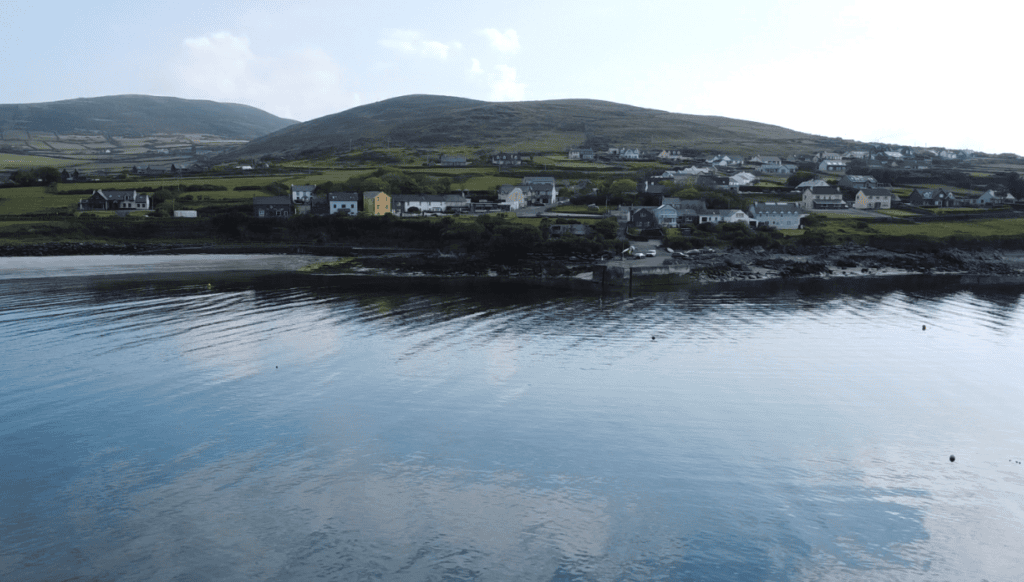
The long curve of Ventry Beach follows the sheltered waters of Ventry Harbour, creating an extensive shoreline for coastal walks.
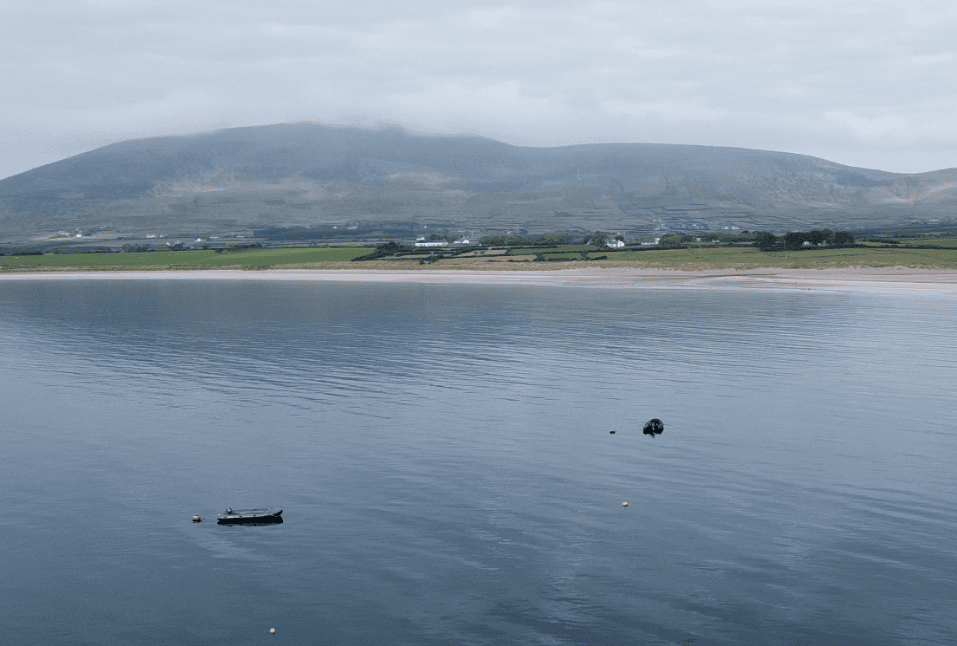
Ventry’s sheltered harbour setting contrasts with the more exposed Atlantic coastline encountered farther west around Slea Head.
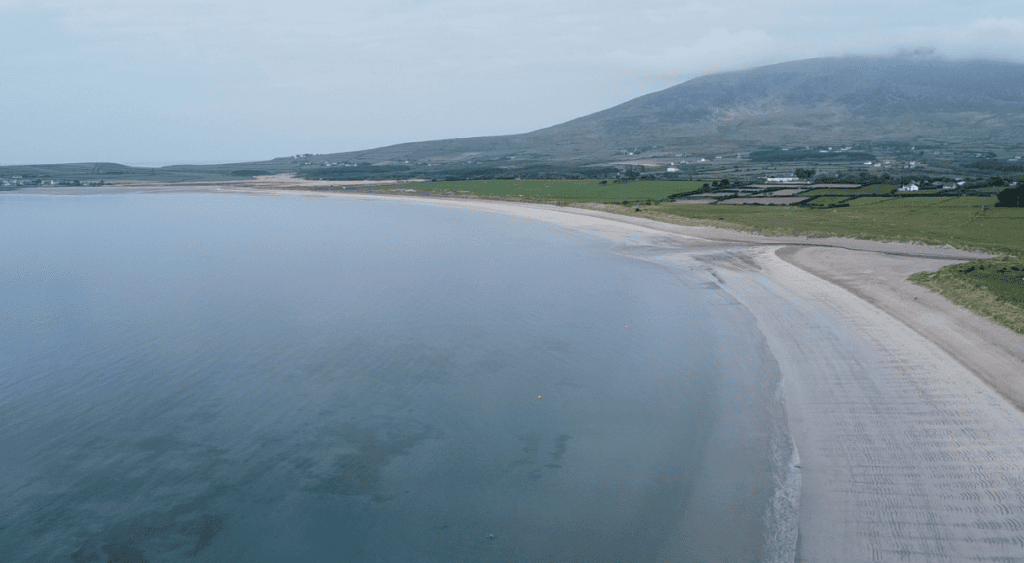
Dunes and marsh habitats behind parts of the strand form an important part of the natural coastal environment at Fionntrá.
Ventry Beach is an easily accessible sandy strand close to Dingle and directly on the route towards Slea Head. Its combination of road access, parking, long shoreline and sheltered harbour setting makes it suitable for anything from a brief scenic stop to a longer beach walk.
PLACE TYPE
Sandy Beach & Coastal Strand
BEACH TYPE
Long Crescent-Shaped Sandy Beach
Irish name
Fionntrá
PARKING
Free Parking Available
AREA
Ceann Trá / Ventry, Dingle Peninsula
PUBLIC ACCESS
Open year-round
FACILITIES
Public toilets are available near the beach; facilities may be seasonal.
LIFEGUARD
Seasonal summer lifeguard cover
SWIMMING
Popular for swimming; check current sea conditions and safety information.
LANDSCAPE
Sheltered Harbour, Sandy Strand & Coastal Dunes
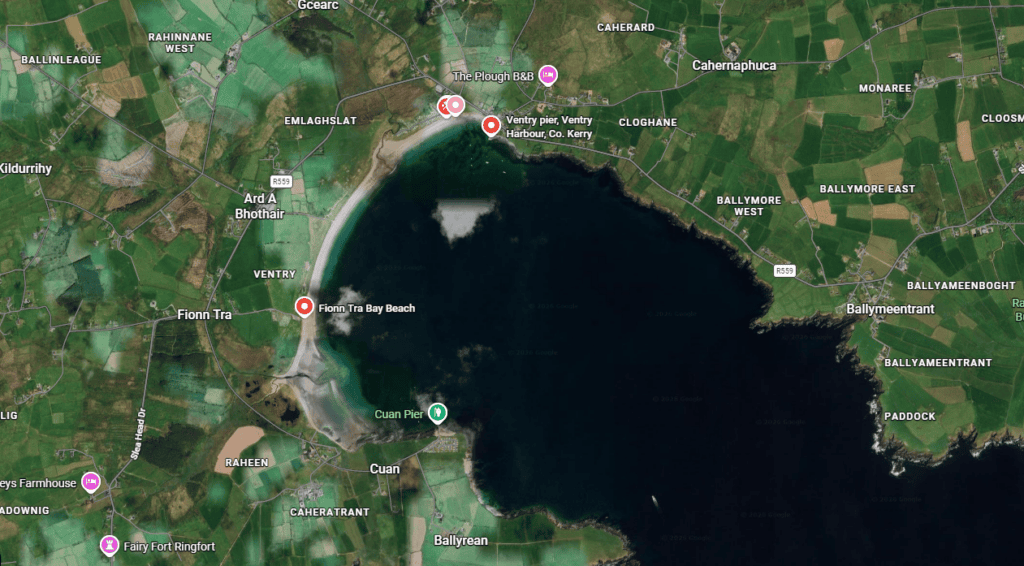
Latitude
52.133456
Longitude
-10.357996
Address
Ventry Beach, Ceann Trá, Dingle Peninsula, County Kerry
NEAREST TOWN OR VILLAGE
Ventry
Road access
Access from the R559 Slea Head Drive via Ventry village, with local road access to the beach and parking area.
Ventry Beach is a place that rewards time on foot. Rather than being defined by a single viewpoint, the experience comes from following the curve of the strand and watching the relationship between the beach, harbour, dunes and surrounding hills gradually change as you walk.
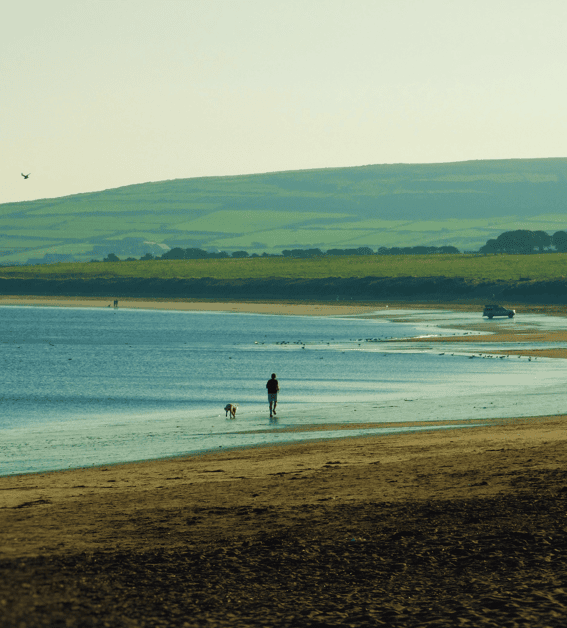
Walking the beach
The broad strand makes Ventry particularly enjoyable for a relaxed coastal walk, with the experience changing considerably between high and low tide.
At lower stages of the tide, a much broader expanse of sand is exposed, opening up long views along the shoreline and across Ventry Harbour. The sheltered shape of the bay gives the beach a different character from the exposed Atlantic coast farther west, where cliffs, headlands and offshore islands increasingly dominate the scenery.
The strand is also part of the wider walking landscape around Ceann Trá. The local Siúlóid Cholmáin walking route incorporates a section of Ventry Strand, while the area has a much older association with journeys across the peninsula through Cosán na Naomh, the historic pilgrim route leading towards Mount Brandon.
Behind parts of the shoreline, dunes and marshes provide another side to Ventry’s character. These habitats form part of the Fionntrá Dunes and Marshes proposed Natural Heritage Area, so the beach is not simply a recreational space but part of a wider coastal environment.
If you have time, experience Ventry from the strand rather than only stopping at the beach entrance. Walking even a short distance along the sand gives a much better sense of the harbour’s scale and the mountains and headlands surrounding it. Stay on established access routes around the dunes and avoid trampling sensitive dune vegetation.
Ventry Beach is straightforward to include while exploring the western Dingle Peninsula. It can work as a short stop for the views or a longer visit if you want to walk the strand, spend time by the water or explore more of the coastline around Ceann Trá.
Ventry lies approximately 7 km west of Dingle on the R559. From the village, follow the local access road towards the beach and parking area.
Free parking is available close to the beach. During fine summer weather and other busy periods, it is worth allowing for increased traffic and demand for spaces.
Allow around 30–60 minutes for a relaxed walk and views. If you plan to spend time on the beach or take a longer walk along the strand, allow 1–2 hours or more.
Ventry can be visited throughout the year. Lower tide exposes a greater expanse of sand for walking, while mornings and evenings can offer particularly attractive light across the harbour.
Public toilets are available near the beach, although facilities and opening arrangements can vary seasonally. Ventry village is nearby for additional services.
Ventry is used for swimming and has seasonal summer lifeguard cover during designated periods. Lifeguard presence should never be assumed; check current signage and conditions before entering the water, particularly outside supervised periods.
Ventry Beach is more than a convenient stretch of sand near Dingle. Its sheltered harbour, extensive strand and surrounding coastal landscape reveal several distinctive features worth noticing as you explore.
The defining feature of Ventry is the long curve of sand following the inner edge of the harbour. At lower tide, considerably more of the strand is exposed, emphasising the scale of the beach and creating excellent conditions for a long shoreline walk.
Look beyond the beach itself to appreciate its position within Ventry Harbour. The surrounding land provides greater shelter than the open Atlantic coastline farther west, creating a broad coastal panorama framed by hills and headlands.
Behind sections of the strand are dunes, marshes and coastal vegetation associated with the Fionntrá Dunes and Marshes proposed Natural Heritage Area. These habitats are an important part of Ventry’s natural landscape and should be explored without disturbing dune vegetation.
As you walk the beach, the changing angle of the shoreline opens different views towards the surrounding hills and the western Dingle Peninsula. It is a useful place to appreciate the transition from the relatively sheltered landscape around Dingle and Ventry towards the increasingly rugged Atlantic coastline of Slea Head.
Ventry’s position inside Ventry Harbour gives it a more sheltered setting than many beaches facing directly onto the Atlantic. It is nevertheless a natural coastal environment, and conditions can change with tides, wind and weather.
The tide has a significant influence on the appearance and experience of Ventry Beach. At lower stages of the tide, a much larger area of sand is exposed, making this an attractive time for walking and exploring the shoreline. As the tide rises, the available beach becomes narrower.
Ventry is used for sea swimming, with lifeguard cover provided during designated summer periods. Visitors should check the safety information displayed at the beach and confirm whether lifeguards are on duty before entering the water. Outside supervised periods, particular care should be taken when assessing conditions.
Weather elsewhere on the peninsula should not be used as a guide to conditions in the water. Wind direction, waves, tides and visibility can change, so decisions about swimming should always be based on the conditions actually present at the beach.
Low tide exposes a considerably broader area of sand and can be particularly suitable for a longer walk. Check tide times if the extent of the strand is important to your visit.
Ventry Beach is used for swimming, but suitability depends on conditions at the time. Follow beach signage and never assume that calm-looking water is automatically risk-free.
Lifeguards operate during designated summer periods rather than throughout the year. Check current local information and the lifeguard status when you arrive.
Continue exploring Kerry’s landscapes, coast, mountains and remarkable places, with more locations worth discovering across the county.
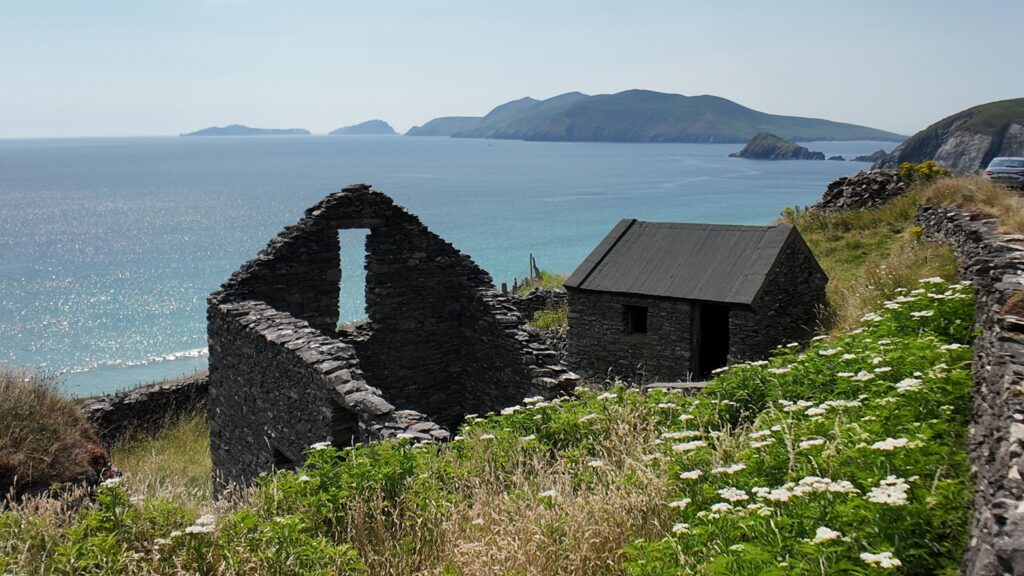
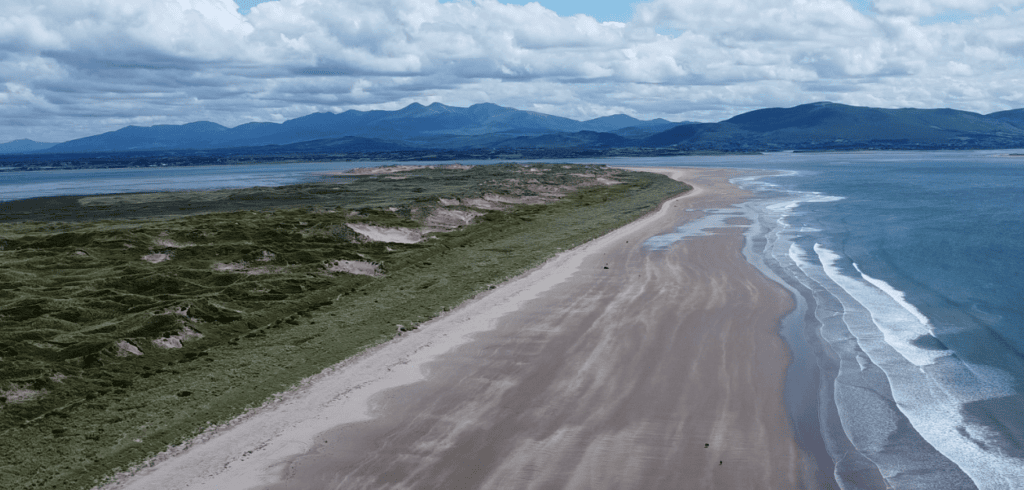
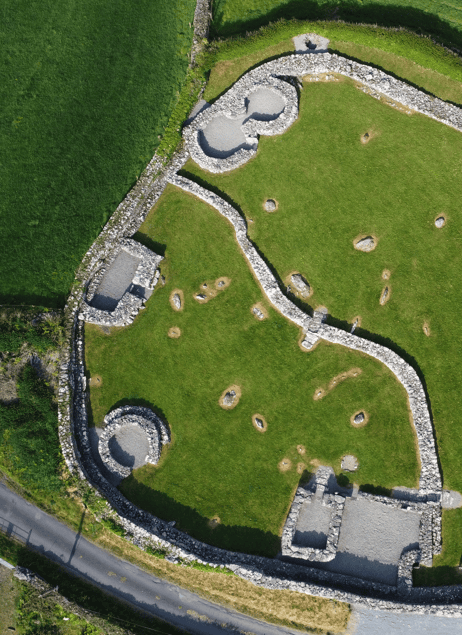
Ventry marks an important transition on the journey west from Dingle towards Slea Head. From its sheltered harbour and long sandy strand, the road continues into a landscape of ancient sites, coastal cliffs, Atlantic viewpoints and communities shaped by the Irish language and the sea.
Ventry Beach fits naturally into a private tour of the Dingle Peninsula, where the value lies not simply in reaching each stop but in understanding how the landscape, archaeology and local history connect. Steve’s Peninsula Tours’ Half Day Dingle Peninsula Tour provides time to explore these connections while travelling around the Slea Head route.
If you would rather leave the driving behind, I offer private tours across the Dingle Peninsula and County Kerry. Each experience is designed for small private groups, with a relaxed pace, local knowledge and the flexibility to spend more time at the places that interest you most.
A relaxed three-hour private tour around Slea Head and the spectacular western coastline of the Dingle Peninsula.
Explore Slea Head, ancient heritage sites, coastal viewpoints and the landscapes of West Kerry on a private half-day experience.
Discover more of the Dingle Peninsula with a full day to explore its scenery, history, villages and lesser-known places.
Journey around the Iveragh Peninsula, combining the Ring of Kerry with the dramatic landscapes and Atlantic coastline of the Skellig Ring.
Explore Killarney National Park, its lakes, mountain viewpoints, waterfalls and some of the most beautiful landscapes in County Kerry.
Travel north from Kerry for a private day tour through the Burren to the spectacular Cliffs of Moher on Ireland’s Atlantic coast.
Create a private Kerry itinerary around the places, landscapes and experiences that matter most to you.
Loading availability…