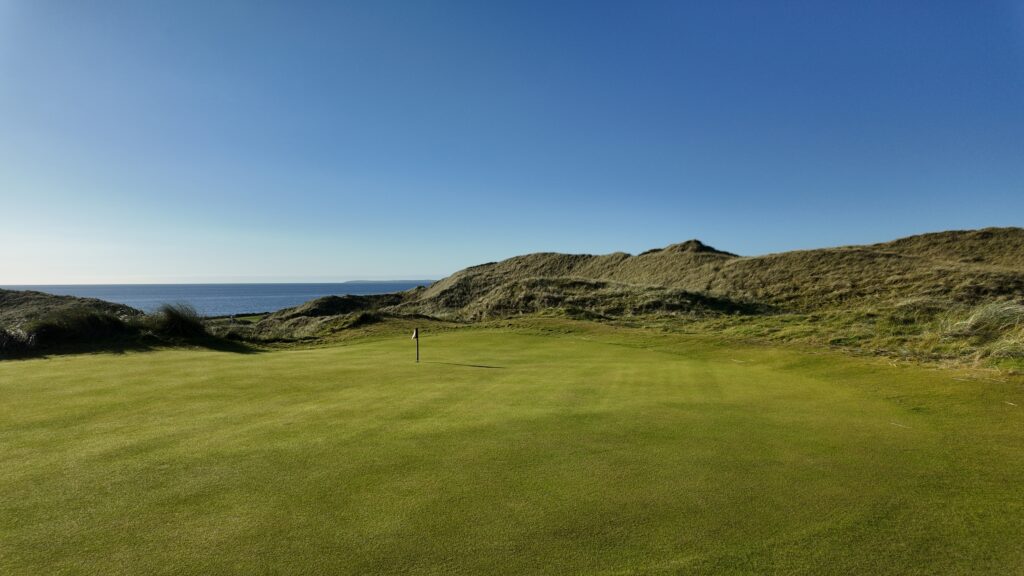
Killarney National Park
Discover Killarney National Park
Killarney National Park begins at the edge of Killarney town and extends into a remarkable landscape of lakes, native woodland, mountains, waterfalls and historic estates. Covering approximately 10,000 hectares on the eastern side of the Iveragh Peninsula, it is one of County Kerry’s most varied visitor destinations.
The park is not a single attraction with one entrance or prescribed route. It contains several distinct areas, including Killarney House and the Demesne, Ross Castle and Ross Island, Muckross House and Gardens, Muckross Abbey, Torc Waterfall and the lake landscape around Dinis.
Visitors can explore one area during a short visit or spend a full day combining several carefully selected stops. Its position beside Killarney also makes the park a natural part of a wider journey through the Ring of Kerry and the mountain landscapes of southern Kerry.
About Killarney National Park
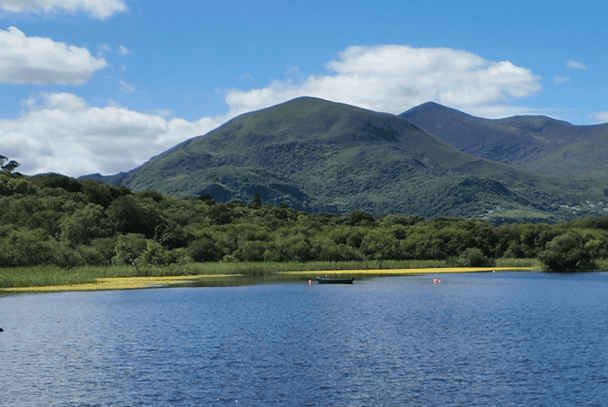
Killarney National Park is a protected natural and cultural landscape shaped by geology, glaciation and centuries of human activity. The Lakes of Killarney lie beneath the surrounding mountains, with woodland, rivers, bog and historic estate lands forming a richly varied environment.
Its three principal lakes are Lough Leane, Muckross Lake and the Upper Lake. Ross Island projects into Lough Leane, while the Muckross Peninsula separates the two lower lakes. Beyond them, the Upper Lake is enclosed by mountains and connected to the lower lake system through the Long Range and the Meeting of the Waters.
Native woodland is one of the park’s defining features. Atlantic oak woods support mosses, ferns and other woodland species, while Reenadinna Wood on the Muckross Peninsula contains an important area of yew woodland. The park is also associated with red deer, red squirrels, otters and a wide variety of woodland and lake birdlife.
The landscape visitors encounter is not entirely untouched wilderness. Around Muckross in particular, gardens, paths, woodlands and carefully framed views reflect generations of estate planning and labour. Medieval ruins, historic houses, old bridges, mining remains and traditional routes reveal the long relationship between people and this landscape.
Different parts of the park offer very different experiences. Visitors may choose an accessible walk from Killarney town, explore a castle or ruined friary, follow woodland and lakeshore paths, visit Torc Waterfall or devote more time to cycling, boating and longer mountain routes.
Top Experiences in Killarney National Park
Experiences across Killarney National Park range from short garden and lakeside walks to historic houses, medieval ruins, woodland trails, waterfalls, cycling routes and demanding mountain hikes. The best visit is usually built around one or two areas, allowing enough time to appreciate the landscape rather than treating the park as a list of hurried stops.
HERITAGE & LANDSCAPE
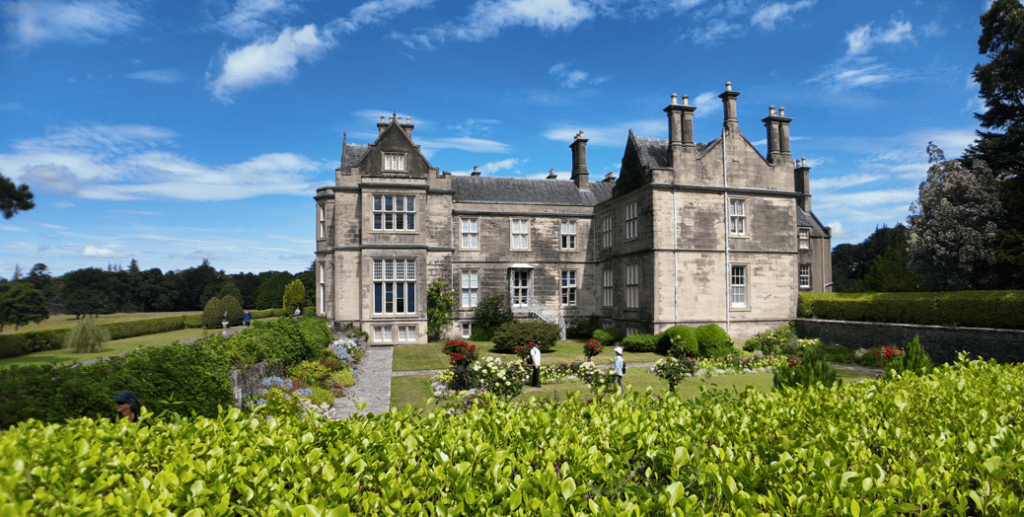
Muckross House and Gardens
Muckross House stands within the park’s best-known historic estate, surrounded by gardens, woodland and the mountain and lake landscape of Muckross. The nineteenth-century house provides an introduction to estate life, while the surrounding grounds reveal how generations of landowners, workers and gardeners shaped this part of Killarney.
A visit can be combined with walks through the gardens, views towards Muckross Lake and longer routes leading towards Muckross Abbey, Torc Waterfall and the Dinis peninsula. The house, gardens and wider estate form one of the most useful starting points for understanding how cultural history and the natural landscape meet within the national park.
From Monastic Landscape to Ireland’s First National Park
Human activity around the Lakes of Killarney reaches far beyond the creation of the national park. Early ecclesiastical settlement on Innisfallen, medieval castles and friaries, mining on Ross Island and historic routes through the mountains all form part of the park’s layered cultural landscape.
During the nineteenth century, the Muckross Estate was developed as a designed landscape of gardens, paths, woodland and framed views. Muckross House became the centre of the estate, but its history also belongs to the gardeners, farmers, forestry workers, servants and craftspeople whose labour maintained the house and surrounding lands.
In 1932, Arthur Vincent and his parents-in-law, William Bowers Bourn and Agnes Moody Bourn, presented the Muckross Estate to the Irish State in memory of Maud Bourn Vincent. It became Bourn Vincent Memorial Park and formed the foundation of Ireland’s first national park.
Later additions created the much larger protected landscape known today as Killarney National Park. Conservation now operates alongside tourism, heritage management and public recreation, protecting native woodland, lakes, wildlife and historic structures while keeping much of the landscape accessible to visitors.
EARLY ECCLESIASTICAL LANDSCAPE
A monastic community developed on Innisfallen Island in Lough Leane. The island later became associated with the Annals of Inisfallen, a medieval chronicle produced within the Irish monastic tradition.
CASTLES & FRIARIES
Ross Castle was established on the shore of Lough Leane, while the Franciscan friary now known as Muckross Abbey was founded within the Muckross landscape. Both remain important surviving elements of the park’s medieval heritage.
THE MUCKROSS ESTATE
Muckross House, its gardens and the surrounding estate landscape were developed during the nineteenth century. Designed views, woodland management, farming and estate labour shaped much of the landscape encountered by visitors today.
BOURN VINCENT MEMORIAL PARK
The Muckross Estate was presented to the Irish State by Arthur Vincent, William Bowers Bourn and Agnes Moody Bourn in memory of Maud Bourn Vincent. It became the foundation of Ireland’s first national park.
CONSERVATION & PUBLIC ACCESS
Later land additions created the extensive national park known today. Its management now brings together nature conservation, protection of historic buildings and landscapes, public access, recreation and the continuing control of invasive species.
Things to Do
From breathtaking coastal walks and boat trips to historic landmarks and family attractions, discover some of the best experiences and activities waiting to be explored.
History & Heritage
Explore the rich history through ancient monuments, medieval ruins, historic buildings and places that tell the story of generations who shaped this remarkable corner of County Kerry.
Ross Castle
Muckross Abbey
Innisfallen Abbey
Killarney House & Gardens
Old Weir Bridge
St Mary’s Cathedral
Shopping
Browse independent shops, local craft stores, galleries and speciality retailers offering everything from handmade gifts and artisan food to everyday essentials and unique souvenirs.

Where to Eat & Drink
Enjoy the flavours of Kerry with traditional pubs, cosy cafés, award-winning restaurants, artisan bakeries and local producers. Whether you’re looking for a quick coffee or an unforgettable meal, there’s something for every taste.

Bricín Restaurant and Boxty House
Cronins Restaurant
Murphy Brownes
Quinlan’s Seafood Bar
Treyvaud’s Restaurant
The Laurels Pub & Restaurant
The Porterhouse
Harrow Killarney
J.M. Reidy’s
O’Connors Traditional Pub
Courtney’s Bar
Where to Stay
Discover carefully selected hotels, guesthouses, B&Bs, self-catering cottages and unique places to stay. Whether you’re planning a short break or a longer holiday, you’ll find accommodation to suit every style and budget.
Discover More Towns & Villages
Explore more of County Kerry’s towns and villages, from colourful coastal communities and historic market towns to welcoming bases for discovering the county’s landscapes, culture and heritage.
Heritage Town & Literary Centre
HARBOUR TOWN & PENINSULA HUB