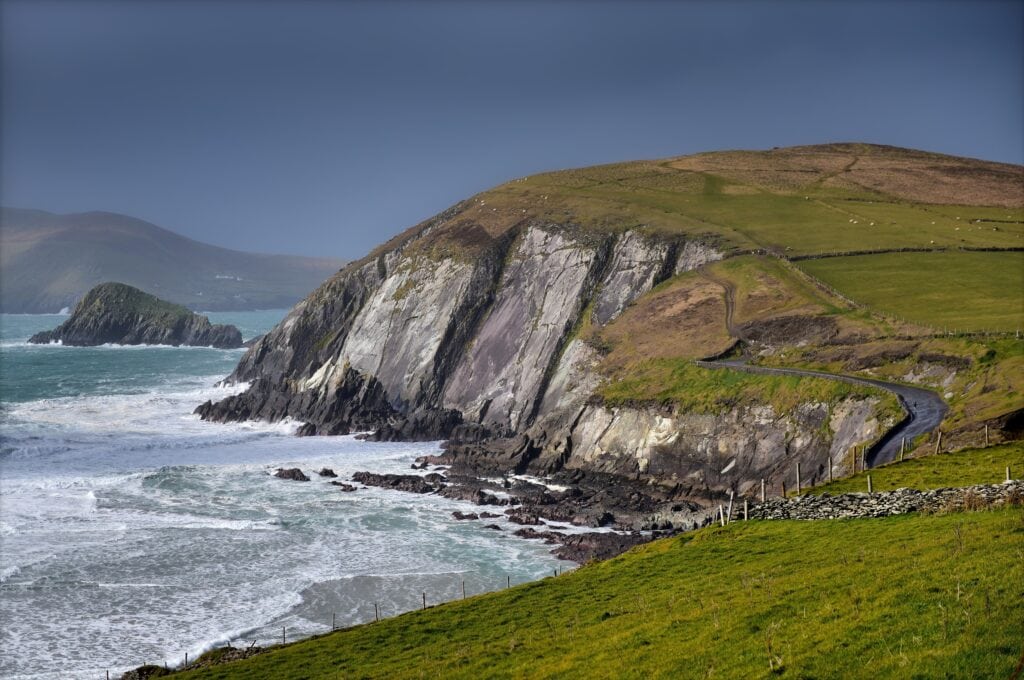
Beyond the Guidebooks: Lesser-Known Places to Explore on the Dingle Peninsula
The Dingle Peninsula is famous for places like Slea Head Drive, Dunquin Pier and Conor Pass, and rightly so. They are among Ireland’s finest landscapes and deserve their reputation. Yet some of the peninsula’s most rewarding experiences are found not by searching for “secret spots”, but by slowing down, taking a quieter road or spending a little longer in places that many visitors simply pass through.
As a local guide, I’ve learned that the moments guests remember most are often the unexpected ones—a peaceful harbour after the tour buses have gone, a forgotten church tucked into the landscape, or a viewpoint where the only sounds are Atlantic waves and the wind across the hills.
Here are a few lesser-known places and experiences that deserve a place on your Dingle Peninsula itinerary.
1. Brandon Creek
Long before transatlantic aviation, local tradition tells us that this quiet harbour was where Saint Brendan the Navigator began his legendary voyage across the Atlantic.
Whether or not every detail of the story is historically accurate, Brandon Creek is a wonderfully peaceful place to visit. Fishing boats still use the sheltered harbour, while the surrounding landscape offers beautiful views towards Mount Brandon and Brandon Bay.
It’s a place that encourages visitors to slow down rather than simply stop for a photograph.
Brandon Creek also provides a reminder that the Dingle Peninsula extends far beyond the best-known stops around Slea Head. The northern side of the peninsula has a character of its own, with mountains, small communities and long stretches of Atlantic coastline that feel very different from the busier western circuit.
2. Kilmalkedar Church and Early Christian Site
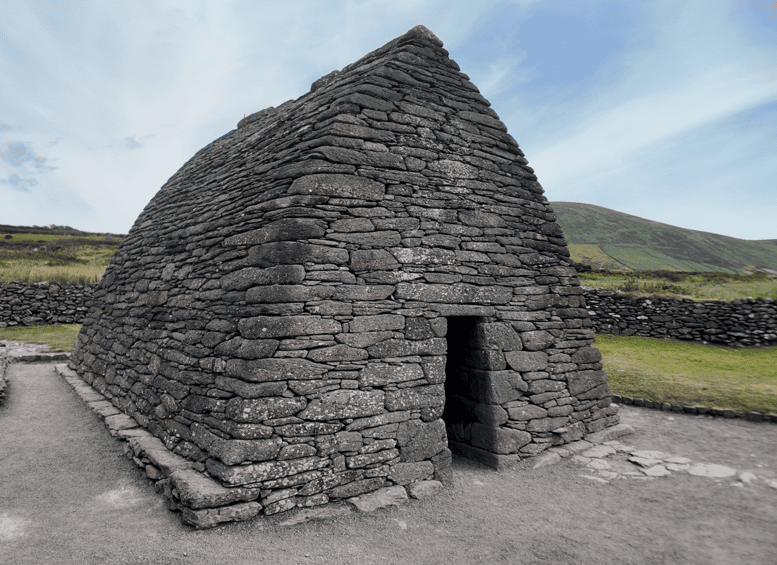
Many visitors head directly to Gallarus Oratory, but only a few minutes away lies one of the peninsula’s most fascinating historical sites.
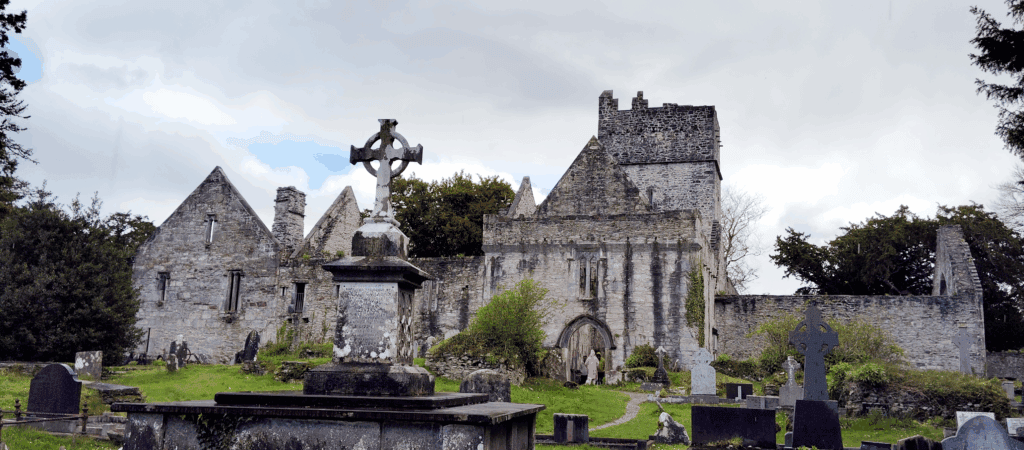
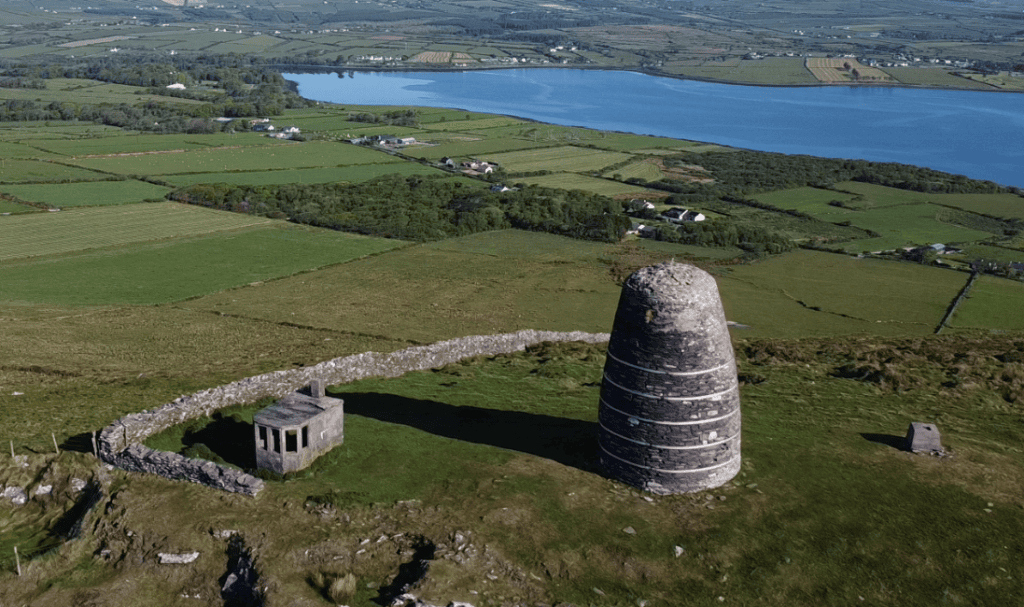
Kilmalkedar Church combines a medieval church, ancient cross, ogham stone and historic sundial within one peaceful setting. Together they help tell the story of Christianity and pilgrimage on the Dingle Peninsula across many centuries.
Without the crowds sometimes found at better-known attractions, it’s an excellent place to appreciate the history at your own pace.
If early Christian history interests you, Kilmalkedar works particularly well alongside Gallarus Oratory and Riasc Monastic Settlement. Each site is different, and together they provide a much richer picture of the peninsula’s religious and cultural landscape than visiting one monument in isolation.
3. Ballyferriter Village
Many visitors drive through Ballyferriter on their way around Slea Head without stopping.
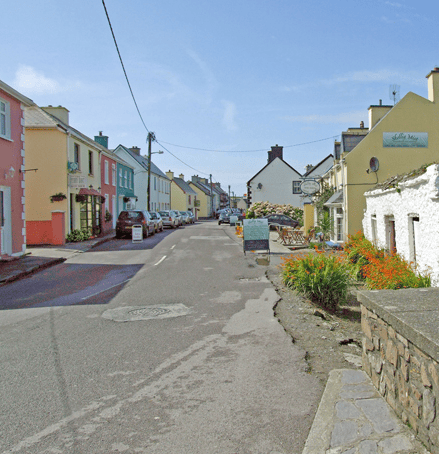
Take a little time to explore and you’ll discover a traditional West Kerry village with local cafés, shops and a slower pace of life. Ballyferriter lies within the Corca Dhuibhne Gaeltacht, where the Irish language remains an important part of the living culture of the peninsula.
It’s also an excellent base for exploring nearby beaches, archaeological sites and coastal viewpoints.
Rather than rushing through, spend half an hour wandering the village and enjoying the atmosphere. Places such as Ballyferriter help remind visitors that West Kerry is not simply a collection of scenic stops. It is a living community.
4. Quiet Atlantic Viewpoints
Some of the peninsula’s finest views aren’t the ones where everyone stops.
There are numerous safe roadside pull-ins where you can simply pause, look out across the Atlantic and appreciate the scale of the landscape without competing for space at the busiest viewpoints.
The western peninsula is particularly rewarding for this kind of unhurried exploration. The coastline, Blasket Islands, mountains and changing Atlantic weather mean the view can alter completely within a short distance.
Early morning and late afternoon are particularly rewarding, when changing light transforms the coastline and the roads are often quieter.
If landscape and photography are priorities, spend some time exploring the wider range of places to discover around Kerry rather than concentrating exclusively on the most photographed stops.
Sometimes the best viewpoint is simply the one where you have enough time to stand still.
5. Clogher Head Beyond the Beach
Clogher Strand attracts photographers and visitors throughout the year, but it’s worth taking a little extra time to appreciate the surrounding coastline rather than simply stopping for one photograph.
The views towards the Blasket Islands constantly change with the weather and tides, while seabirds and other marine wildlife can sometimes be spotted offshore.
The landscape here feels particularly exposed to the Atlantic. On a clear day, the combination of sea, islands and surrounding headlands creates one of the strongest coastal scenes on the peninsula.
It’s a wonderful place to pause rather than simply photograph before continuing your journey.
6. Explore Outside the Middle of the Day
One of the simplest ways to discover a quieter Dingle Peninsula isn’t by finding different places—it’s by visiting familiar places at different times.
Early mornings offer peaceful roads, softer light and a greater chance of experiencing viewpoints before the busiest part of the day. Evenings bring a different atmosphere altogether, particularly as the Atlantic light begins to soften and many day visitors return towards Dingle.
The landscape hasn’t changed, but the experience certainly has.
This approach can be particularly effective around Slea Head Drive. Instead of searching endlessly for an undiscovered location, changing the time of your visit can completely change how a familiar place feels.
7. Look Beyond the Famous Archaeological Sites
The Dingle Peninsula contains an extraordinary concentration of archaeological and historical remains.
Some are famous. Others can be easily overlooked because they do not initially appear as dramatic as a major castle or standing stone building.
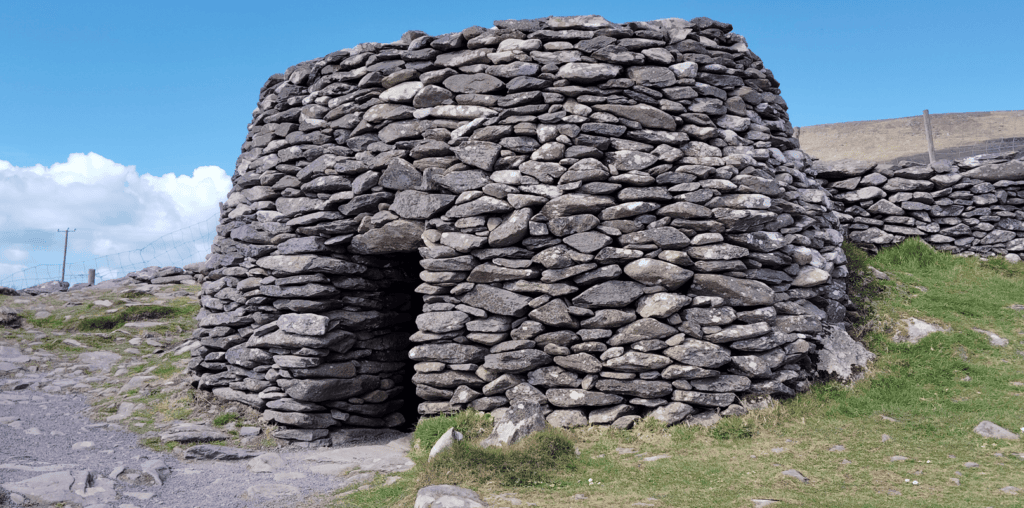
Sites such as Riasc Monastic Settlement reward visitors who take the time to understand what they are seeing. Excavations revealed an enclosed ecclesiastical settlement containing religious structures, burial areas, stone huts and distinctive carved cross-slabs.
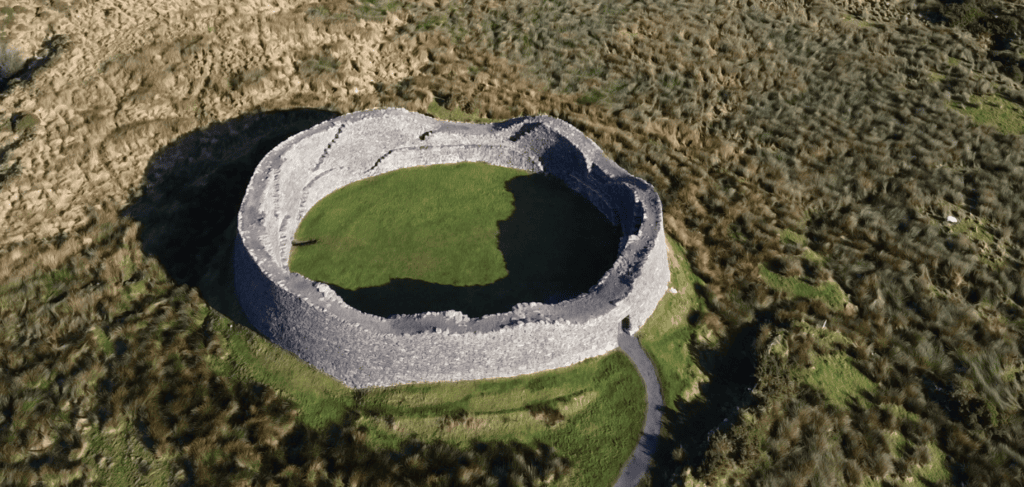
Further around the peninsula, Dún Beag Promontory Fort occupies a completely different setting above the Atlantic, demonstrating how people used the natural coastal landscape for defence and settlement.
These places become far more meaningful when considered as parts of a much larger historical landscape rather than isolated ruins.
8. Garfinny Bridge
Not every worthwhile historical stop needs to be ancient.
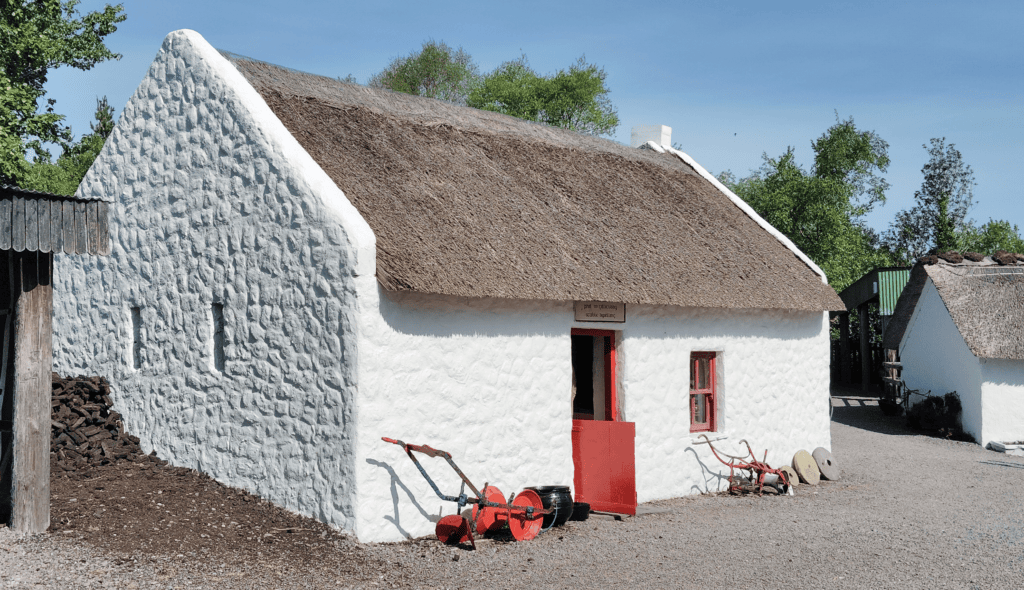
Garfinny Bridge, near Dingle, is a fine surviving example of Kerry’s vernacular stone-building tradition.
It is the kind of place that can easily disappear into the background when visitors are concentrating on major attractions, yet structures like this tell another important part of the peninsula’s story.
Roads, bridges, field boundaries and traditional buildings reveal how generations travelled through and worked within this landscape.
9. Give the Beaches More Time
Beaches on the Dingle Peninsula are often treated as quick photographic stops during a driving itinerary.
That can be a missed opportunity.
The coastline changes dramatically from sheltered bays to exposed Atlantic strands, and spending time walking along a beach provides a completely different experience from viewing the landscape through a car window.
If conditions are suitable, leave enough time for a proper coastal walk rather than trying to fit another three attractions into the same hour.
The peninsula rewards depth far more than speed.
10. Let the Weather Change the Plan
Kerry weather is famously changeable, but that does not necessarily mean a poor day.
Cloud can move across Mount Brandon while sunshine appears along the coast. A viewpoint hidden in mist in the morning may be completely clear later in the afternoon.
Instead of rigidly following a predetermined list, use the weather to shape the day.
If the mountains are covered, explore a historical site or village. If the Atlantic suddenly clears, take advantage of the coastal views.
This flexibility is one of the best ways to experience the peninsula naturally.
11. Explore the Peninsula Slowly
One of the biggest mistakes visitors make is assuming the Dingle Peninsula can be understood simply by completing a driving circuit.
The distances are relatively small, but there is an enormous amount packed into the landscape.
Archaeological sites, beaches, villages, mountain roads, Gaeltacht communities and Atlantic viewpoints can all compete for your time.
Trying to see everything usually means experiencing very little properly.
If you have several days available, spread your exploration across the stay rather than attempting to complete the entire peninsula in one continuous sightseeing marathon.
Discover Slea Head Beyond the Main Stops
Slea Head Drive remains one of the great journeys on the peninsula, and avoiding popular places simply because they are popular makes little sense.
The better approach is to combine the famous places with quieter ones.
Visit the great Atlantic viewpoints, but also spend time understanding the archaeological landscape around Fahan. See the Blasket Islands from the coast, but remember the communities and culture behind the view. Visit Gallarus, but consider Kilmalkedar and Riasc as part of the same broader historical story.
That balance produces a much more complete experience of West Kerry.
Exploring the Dingle Peninsula Independently
If you have your own or a rental car, the peninsula is well suited to independent exploration.
The key is resisting the temptation to treat navigation software as your itinerary. A map can tell you how to reach somewhere; it cannot tell you why a place matters.
For visitors who prefer exploring independently but still want local stories and historical context, Steve’s Peninsula Tours also offers a GPS-triggered Dingle Peninsula audio tour.
The experience allows you to travel in your own vehicle and at your own pace while location-triggered commentary introduces the places and stories around you.
Exploring with a Private Local Guide
If you would rather leave the driving behind, a private tour gives you the flexibility to combine the famous sights with quieter places according to the conditions and your interests.
The Slea Head Drive private tour concentrates on the spectacular western coastline and its principal sights.
For more time to explore beyond the standard circuit, the Dingle Peninsula half-day tour provides greater flexibility for heritage sites, viewpoints and additional stops.
If you want to explore the peninsula in considerably more depth, the full-day Dingle Peninsula private tour gives us the time to connect the famous locations with quieter roads, historical places and landscapes that many shorter itineraries simply cannot include.
Discover the Peninsula at Your Own Pace
One of the greatest pleasures of visiting the Dingle Peninsula is allowing yourself enough time to wander.
Rather than trying to visit every attraction in a single day, choose a handful of places, spend longer exploring them and leave room for unexpected discoveries along the way.
Some of the most memorable experiences come from stopping at an unplanned viewpoint, spending longer at an archaeological site than expected or simply realising that the place you were about to drive through deserves another half an hour.
The Dingle Peninsula rewards those who slow down.
Use the wider Explore Kerry collection to discover more of the landscapes, towns and historical places across the county, or explore the peninsula personally with one of Steve’s private Dingle tours.
If you’d like to discover these places alongside someone who knows the area well, a private Dingle Peninsula tour offers the flexibility to explore beyond the usual itinerary while learning the stories that connect the landscape, history and communities of this remarkable corner of Kerry.